Museum of Rural Civilization of Aniene Valley
 Museum of Rural Civilization of Aniene Valley

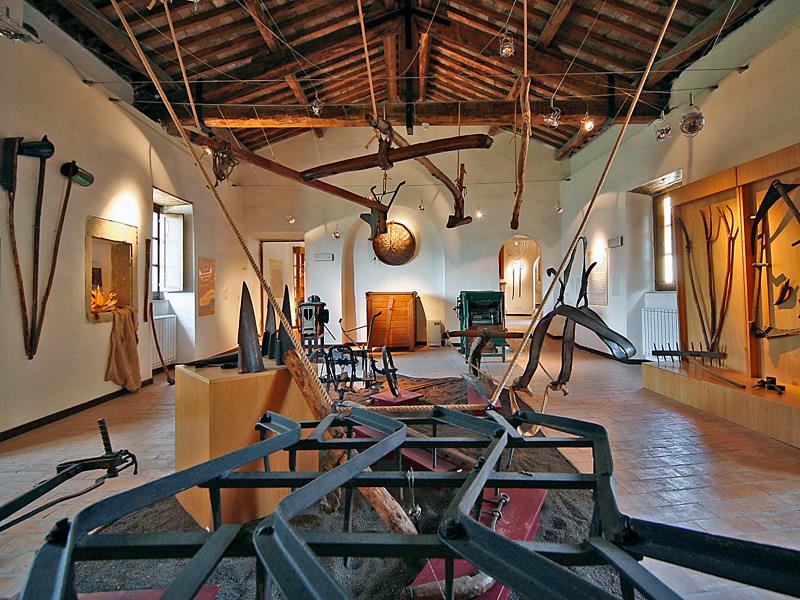
The Museum of Rural Civilization of Aniene Valley is an ethno-anthropological collection of the rural world, an important testimony of the life of artisans and workers in the Aniene Valley

The collection includes about 2000 pieces coming mostly from donations of the inhabitants.

The exhibition is located inside the Brancaccio Castle fortress of Roviano.
 

powered by social2s

The Museum of Culture and Traditions of Cities of Rignano Flaminio displays objects, tools and utensils linked to traditional crafts.

They are accompanied by a photo exhibition with archive images, documents, publications and prints related to city life.

A room is dedicated to the twinning with the Spanish city of Valencia.

powered by social2s

The Museum of the Olive in Moricone is an interactive multimedia museum that tells the story of the area through the production of oil.

The oil is studied from the botanical themes perspective, historical, artistic and ethnographic.

A virtual application allows you to grow olive trees and magically produce a virtual olive oiil.

The museum is inside picturesque old converted church.

powered by social2s

The Museum of Peasant Arts of Castel San Pietro Romano arose from the desire of citizens to preserve the memory of their past by reconstructing scenes of life in the fields and in the country of the last hundred years.

More than 350 items and work tools used in the fields, in the kitchens, stables and cellars, are shown, described and their uses explained. Each object is accompanied by a caption with the name in Italian and in the local dialect. The oldest item is a sprayer 1850 while others date from the late nineteenth to the mid-twentieth century.

powered by social2s

The Museum of Musical Traditions is dedicated to music and popular song that marked the Arsoli tempo and is located in the former Massimo warehouse. The exhibition is divided into four sections: the band tradition, the pastoral tradition, the artisan tradition, plus music of the ancient brotherhoods and from popular religiosity.

In the four sections a wide range of pastoral instruments are represented (reed flutes, cane clarinets, cane zampognetta, bark flutes, horns of animals and various kinds of bells used for the herds and animals from the barn) plus craftsmen instruments (accordion, slide drum, triangle and tambourine) used in the festivities.

In the Brass Band section, besides the nineteenth musical instruments, there is a rich collection of transcribed music, scores autographed by hand and photographic documents.

While the last part is especially dedicated to pilgrimage to Santissimma Trinity it also includes the music, singing and instruments of popular religiosity with photographs, films and sound recordings.

powered by social2s
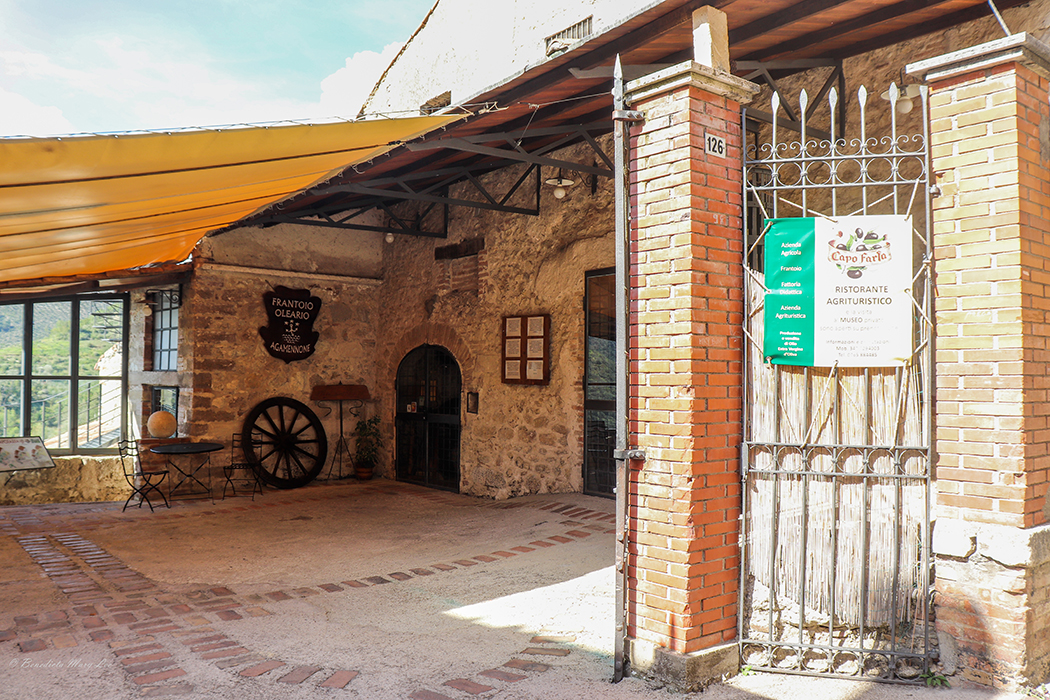
Poggio San Lorenzo. Capo Farfa Oil Museum

The Oil Museum in Poggio San Lorenzo has been realised inside Capo Farfa, a farm with an old olive mill from around 1600. 

The mill is still active and it is possible to live and touch the history of Sabina (an ara nota east of Rome) that for maybe 5,000 years has produced one of the best oils. Today the oil is known as Olio della Sabina DOP.

Inside the mill you cross a second-century aqueduct and you can touch the base of a two thousand years old wine press. Inside the building you can taste all the specialties and recipes related to the tradition of the territory. 

powered by social2s

Subscribe to Newsletter

Discover a territory through the emotions of the people that have lived it.