Catillo Nature Reserve

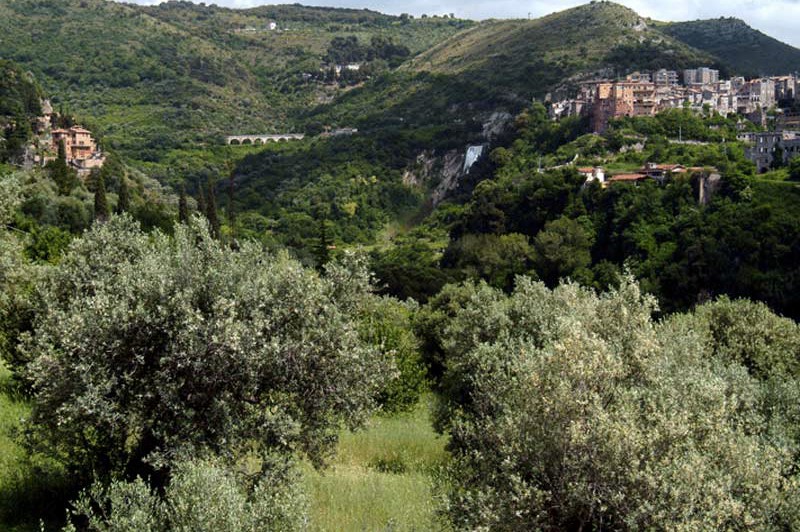
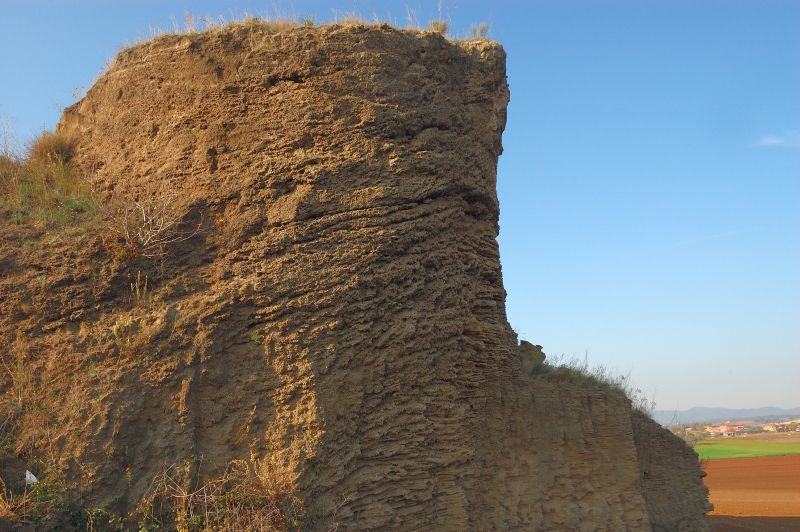
The Catillo Reserve in Tivoli is a place where two different ecosystems overlap and it has a great and valuable floral diversity.

The variety of plant species makes the reserve a place much loved by botanists and all lovers of experiences of nature.

powered by social2s

The Verdesca pool is a natural depression where rainwater stagnates there in the winter / spring period.

It is the largest lowland forest in Italy and is located in Cerasella di Sabaudia. It can be traveled by bicycle or on foot through its wood of oaks, poplars and alders.

It is a natural monument that helps to partially reconstruct an idea of the natural landscape of the Pontine plain.

One of the last and richest ecosystems left in Italy due to its great biological value and hosts various species of particular fauna and flora such as frogs, tortoises, snakes and insect species.

The Circeo forest has been included by UNESCO in the international network of biosphere reserves.

powered by social2s

The Circeo National Park was founded in 1934 to defend a unique ecosystem that includes the municipalities of Latina, Sabaudia, San Felice Circeo and Ponza, with reference only to the island of Zannone.

It was the years of reclamation that led to a total change in the local ecosystem, transforming the swamps into fertile flat areas. The particularity of the territories and the great biodiversity they present has led to the creation of a forest, coastal dune, mountain and lake protection area.

Today the Circeo Park is a Nature Reserve and is part of the MAB program, a UNESCO Biosphere conservation project and the RAMSAR Convention for the protection of wetlands.

Inside the park there are traces of prehistoric settlements and in the Guattari Cave in 1939 a skull of a man dating back to the Neanderthal period was found.

The park is equipped with rest areas and in the territory of Sabaudia there is an information point with a naturalistic museum and a documentation center which also includes the reconstruction of Lestre (pre-reclamation houses) and the Carbonaia (place where coal was produced) typical of the swamp.

The coastal dune of Sabaudia is 23 km long and has a typical Mediterranean vegetation with colorful blooms of silene, carpobroto, lotus and sea chamomile protected by maritime pines and prickly juniper. In addition to the scents of the sea and flowers, we can recognize that of myrtle and the pungent one of mastic.

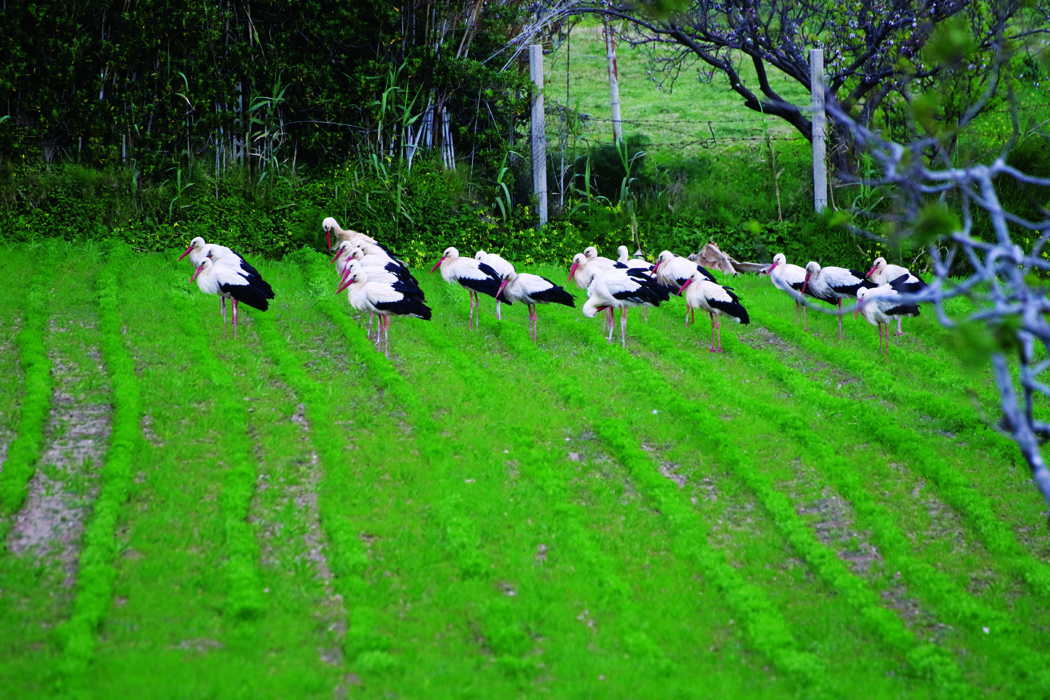
The Circeo Park is very popular with birdwatchers with over 265 species of birds present in its territory. Among the best known birds you can find ducks, coots, cormorants, herons, egrets and even flamingos, white storks, Italian knights and avocets.

powered by social2s

The forest of Pofi consists ‘boschi planiziari’ or hillside woods: a coppice is owned by the municipality and the name recalls the originally belonging to the feudal lord.

powered by social2s
Monte Porzio Catone. Castelli Romani Regional Park

The Regional Park of the Castelli Romani extends into the area of the volcanic system of the Alban Hills and includes 15 municipalities.

In this area there are the ruins of the Etruscan city of Tusculum and the two lakes of Albano and Nemi.

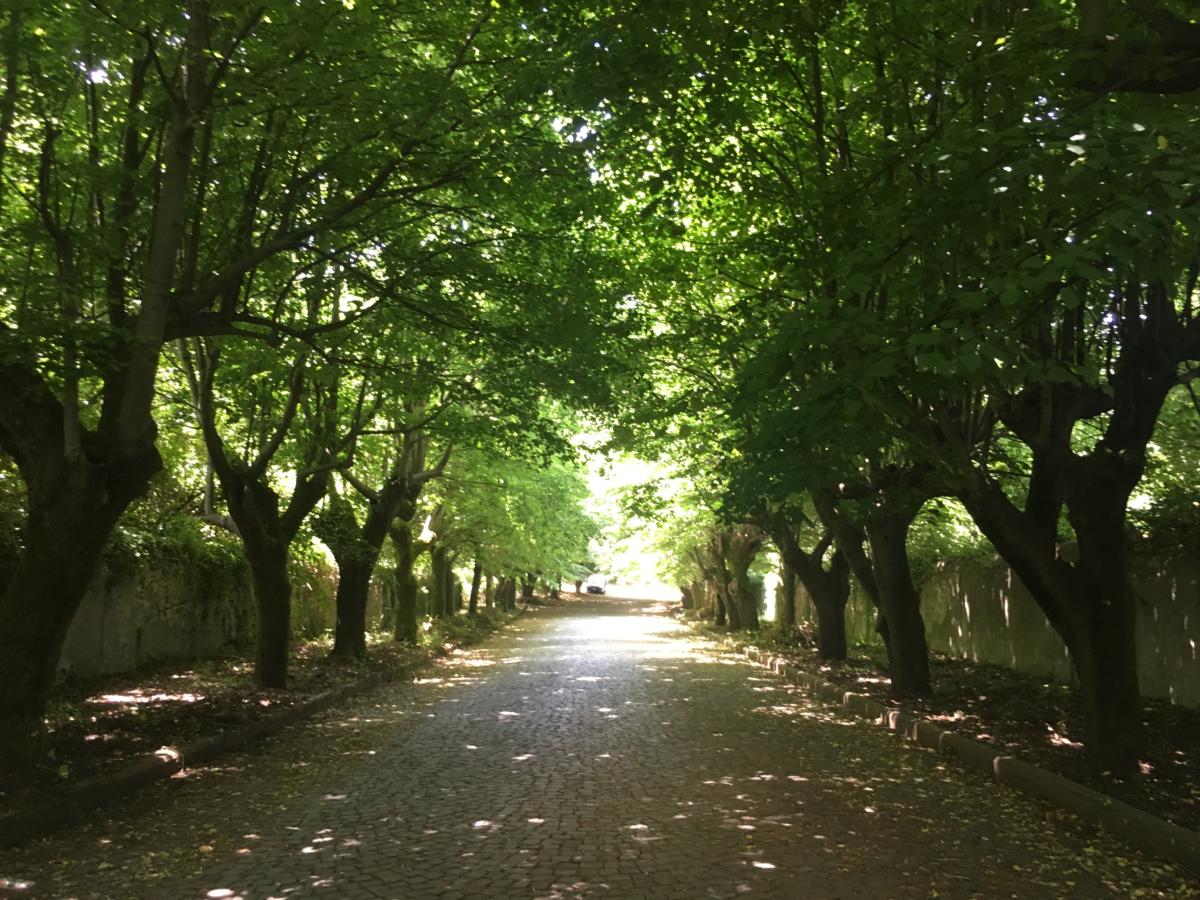
The flora of the park includes many chestnut forests at high altitude, and a remarkable variety of plants and flowers.

The park has a wide range of fauna such as back badgers, martens, peregrine falcon, the spectacled salamander, porcupine and even the wolf.

powered by social2s
ph Claudia Bettiol
Casalvieri. Melfa gorge Nature Reserve

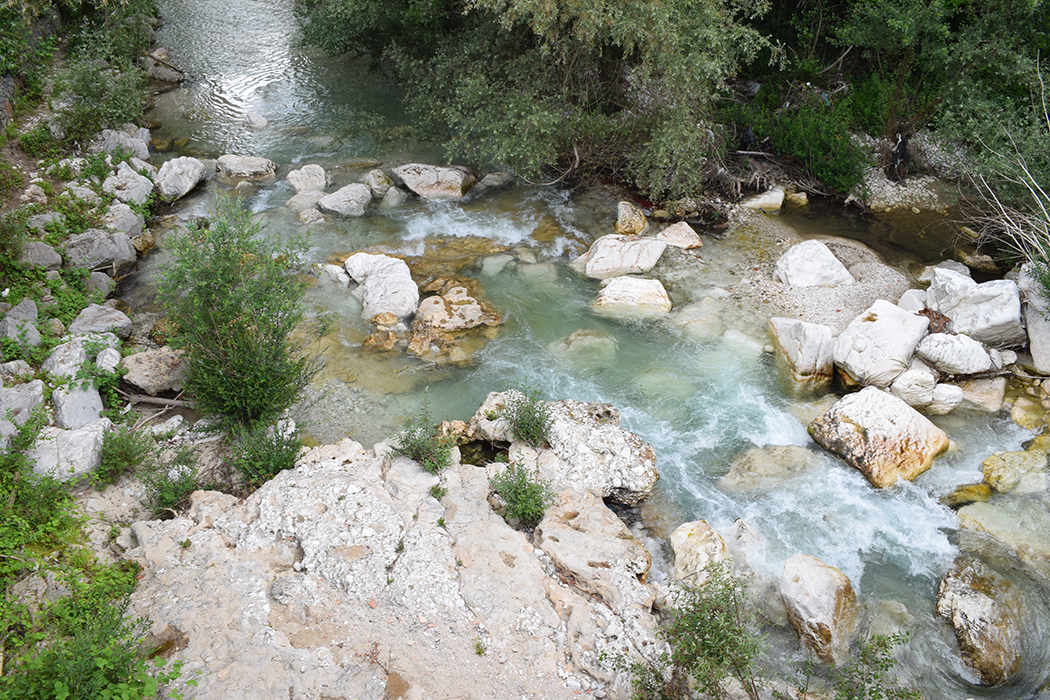
The territory of Casalvieri is crossed by the Melfa river that flows in a gorge for 13 km between high rock walls, in picturesque landscapes with the white rock carved by the water, before entering the plain of Roccasecca and joining the river Liri.

The gorges of Melfa are a site of community interest and a special preservation area (SIC-SPA).

The Melfa arises from a rock of Monte Petroso in the Valle di Canneto, in the municipality of Settefrati.

It is said that its name is connected to that of the pagan goddess Mefiti and, in the area of the source, the remains of a pagan temple of the IV century BC have been found.

Some of its remains can be found in the crypt of the Sanctuary of the Madonna di Canneto which each year receives over 60,000 pilgrims in the month of August.

From Settefrati the watercourse passes through a gap in the mountains giving rise to gorges, caves and canyons of extreme beauty, such as the Marmitte dei Giganti.

In the Casalvieri-Roccasecca stretch, the Melfa receives the waters of the Rio Inferno, Rio Pietraia and Rio Contieri which form waterfalls of 15 meters. Rio Inferno, Rio Pietraia e Rio Contieri che formano cascate di 15 metri.

powered by social2s
Ventotene
Ventotene

The islands of Ventotene and San Stefano hold an inestimable heritage of culture, history and nature.

It is precisely for these reasons that Ventotene has become a State Nature Reserve and a Marine Protected Area, to preserve and give to all, into the future, the possibility of visiting these unique places.

One of the important natural features is that involving the millions of birds that choose the two islands in their migratory routes between Europe and Africa.

Also worthy of note is the presence of a spontaneous flora that constitutes an important habitat for food and as a temporary shelter for birdlife.

powered by social2s

Recommended

Subscribe to Newsletter

Discover a territory through the emotions of the people that have lived it.