Articolo-Palazzo-Orsini-Colonna-2-1024x725.jpg

In addition to the Caetani and the Colonna, the third ancient family that has greatly influenced the history of Rome is the Orsini family.

As for the other two families, the great territorial and economic expansion took place with the election as pope of one of the family, in this case it was Pope Nicholas III in 1287. Although there had already been Pope Celestine III Orsini in 1191.

Dozens of fiefs passed to the Orsini, in northern Lazio but also in Abruzzo and later in Campania and Puglia.


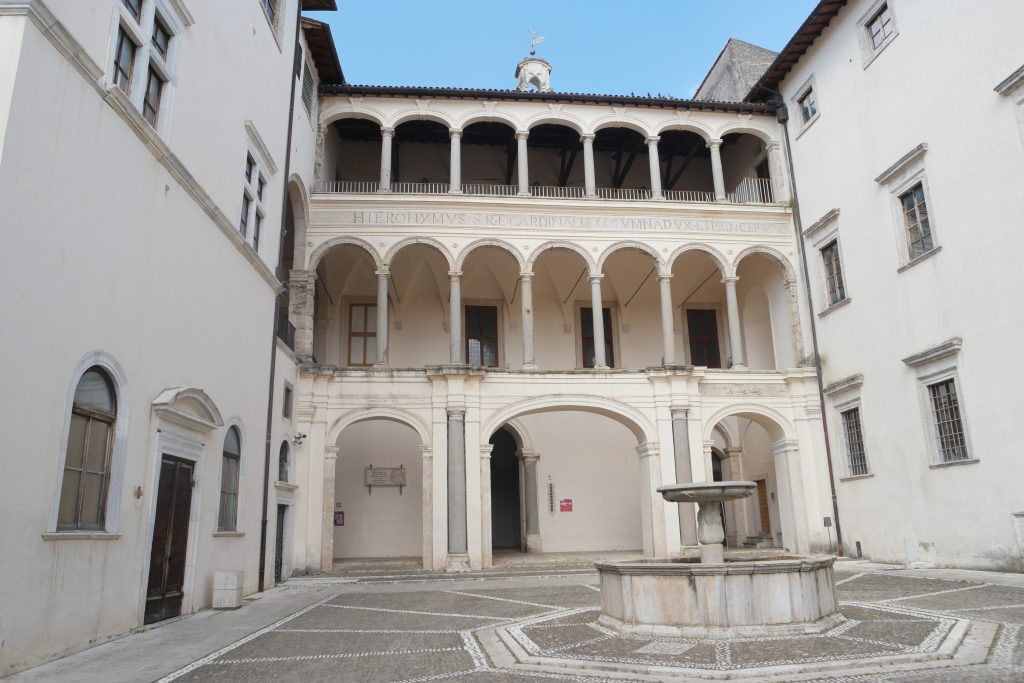
In Rome there were three Orsini headquarters: there were the Orsini "de Monte", residing in Monte Giordano (now Palazzo Taverna), the Orsini "de Campo", with the palace in Campo de Fiori on the Teatro di Pompeo, and the Orsini "de Ponte" located in Castel Sant'Angelo.

While the Colonnas often sided with the Empire (or the French) against the popes, the Orsini were almost always on the side of the popes.

In 1365 the Orsinis ceded Castel Sant’Angelo to the Papal State and then in the seventeenth century there was a reduction in their properties: they sold the palace to Campo de Fiori and in 1688 also sold the current Palazzo Taverna.
In the eighteenth century they returned to be in vogue, as in 1724 the third Orsini pope, Benedetto XIII, was elected 450 years after Niccolò III.

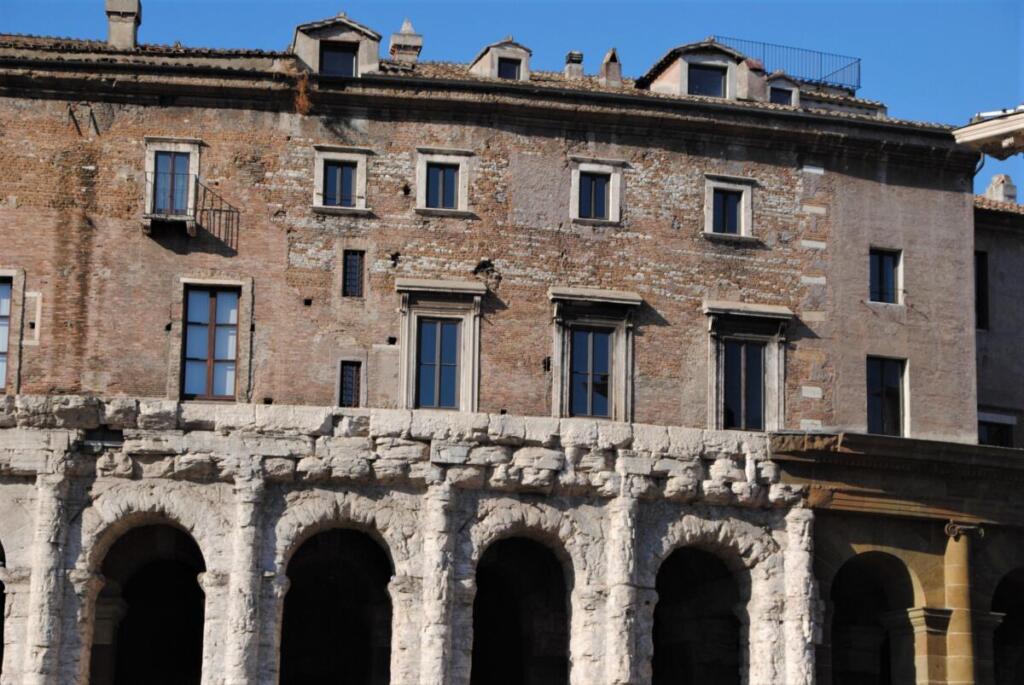
It was part of the Gravina di Puglia branch and on returning to Rome the family had to buy a new prestigious location. Then the palace built in the Middle Ages on the Teatro di Marcello became the new Orsini palace, until 1870 when it passed to the Caetani of Sermoneta.

While a part of the Orsini Taverna building can now be rented as a venue for demonstrations and events, the apartments on the Teatro di Marcellus have different functions and somewhat mysterious properties.

The Theatre of Marcellus was created by Augustus in 15 BC. and dedicated to his nephew. It remained in operation until 420 AD. and then it became a heap of rubble and the ideal place to recover marble, columns and capitals.

From 1361 it was bought by the Savellis and became Monte Savello. In 1519 they commissioned Baldassarre Peruzzi to build the palace on the arcades of the theatre. The building passed to the Sforza Cesarini in 1712, to the Orsini in 1800 and to the Caetani in 1870.

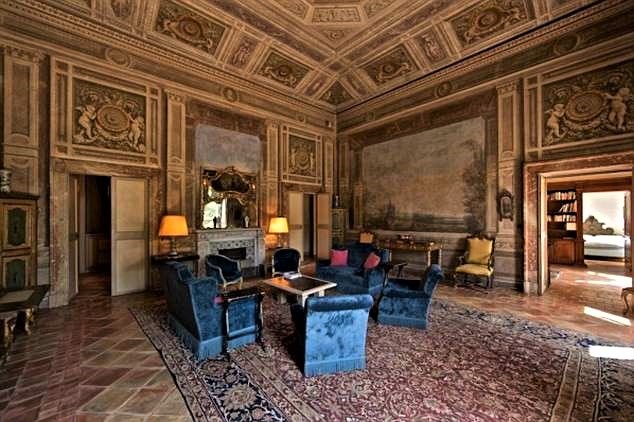
Princess Vittoria Colonna lived from 1922 in the palace on the Teatro di Marcello. In fact, when she separated from her husband Leone Caetani, and he went to live in Canada with Ofelia Fabiani and her daughter Greta, she moved to what is the most beautiful squatter construction in the history of architecture.
He remained there until 1954 when he died at the age of 74, having created a cultural circle around him, through which Gabriele d'Annunzio and Eleonora Duse also passed.

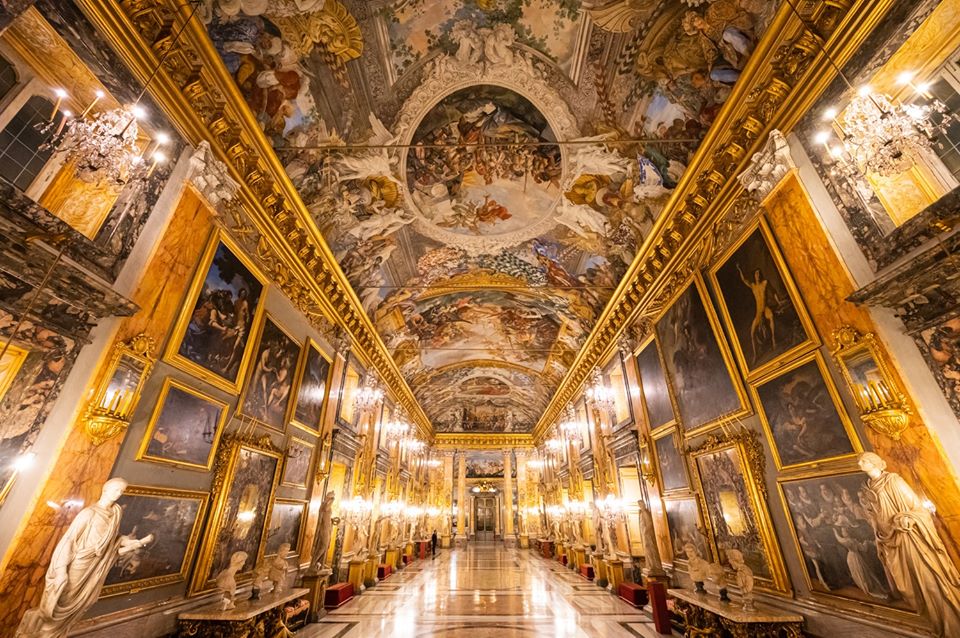
While these Orsini palaces have had a troubled history, the Colonna Palace was always owned by the same family, which still owns it today and lives there in a small part.

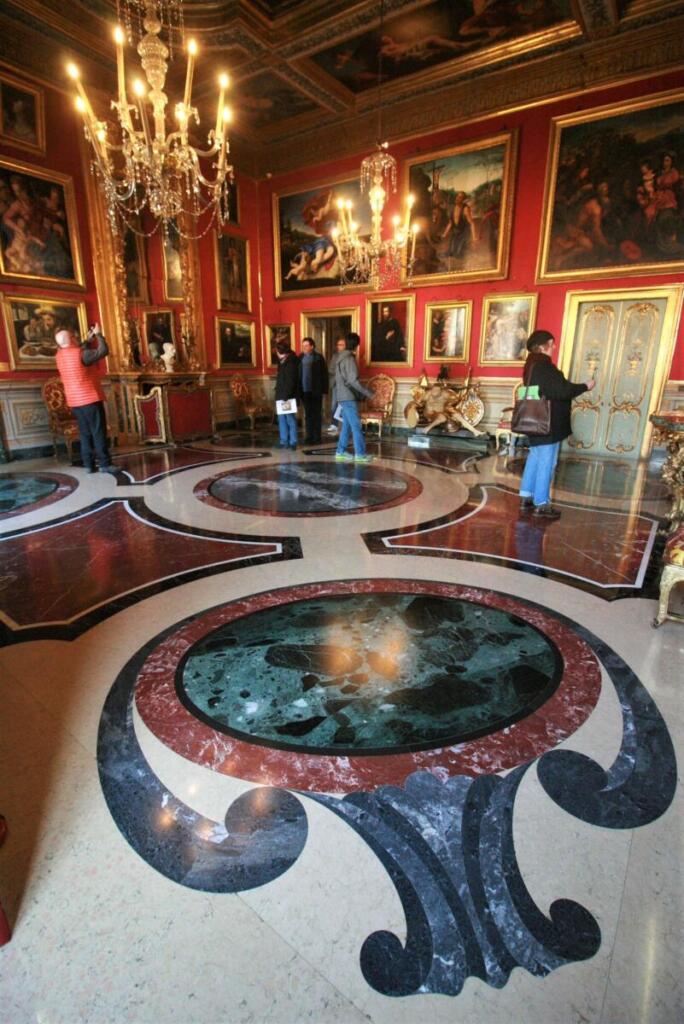
At Palazzo Colonna there is the wonderful Gallery, full of paintings and open on Saturday mornings.
powered by social2s
I-Borghese-e-Paolina-Borghese-5-1024x685.jpg

The fortune of the Borghese family began in 1605 after Cardinal Camillo Borghese, of Sienese origin but born in Rome, was elected Pope in 1552 with the name of Paul V.

Paolo V Borghese led the state until 1621 and was a dynamic and quite positive character, although he helped many grandchildren and relatives.

The family coat of arms includes the eagle and the dragon, a coat of arms that we find repeated hundreds of times in the palaces and villas they acquired in

ome and Lazio.

Paul V had the Acqua Paola aqueduct built, reactivating the Roman aqueduct from Bracciano to Rome which ends with the famous Fountain on the Janiculum.

He had Maderno complete the facade with his signature in great evidence, and the Borghese Chapel in Santa Maria Maggiore, which would become the family tomb.

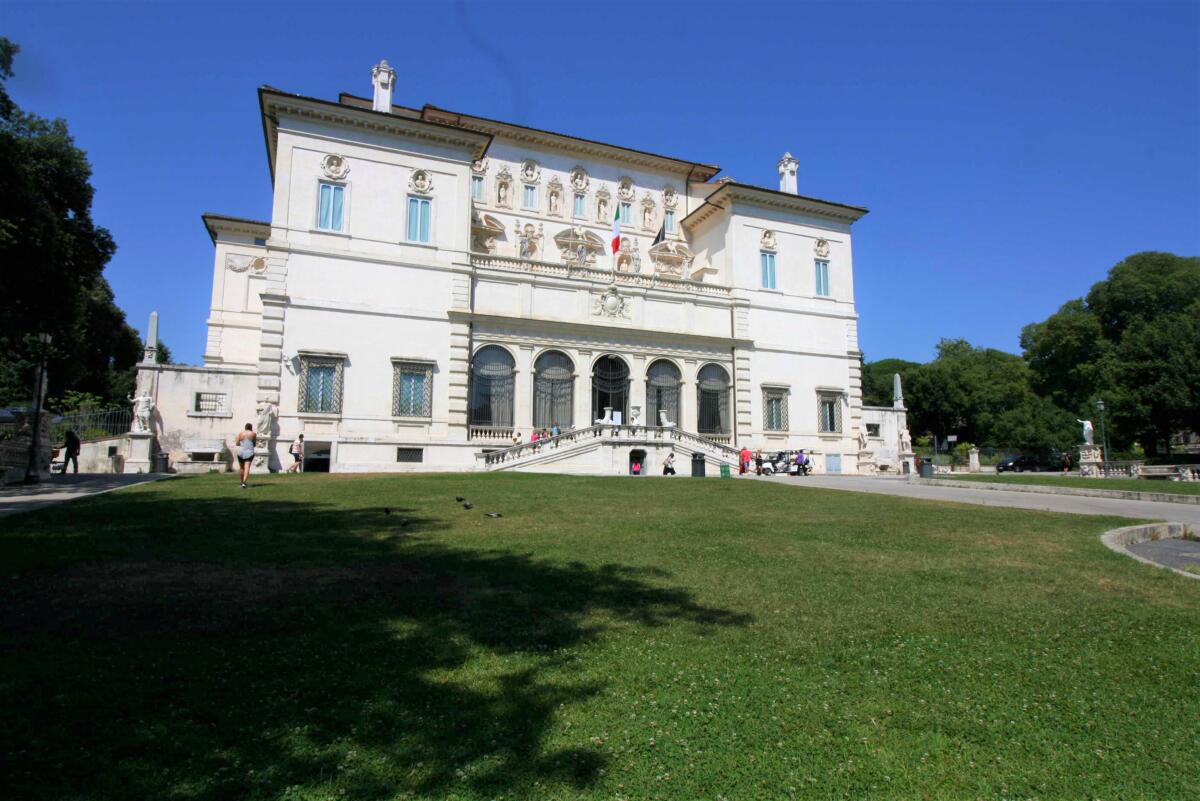
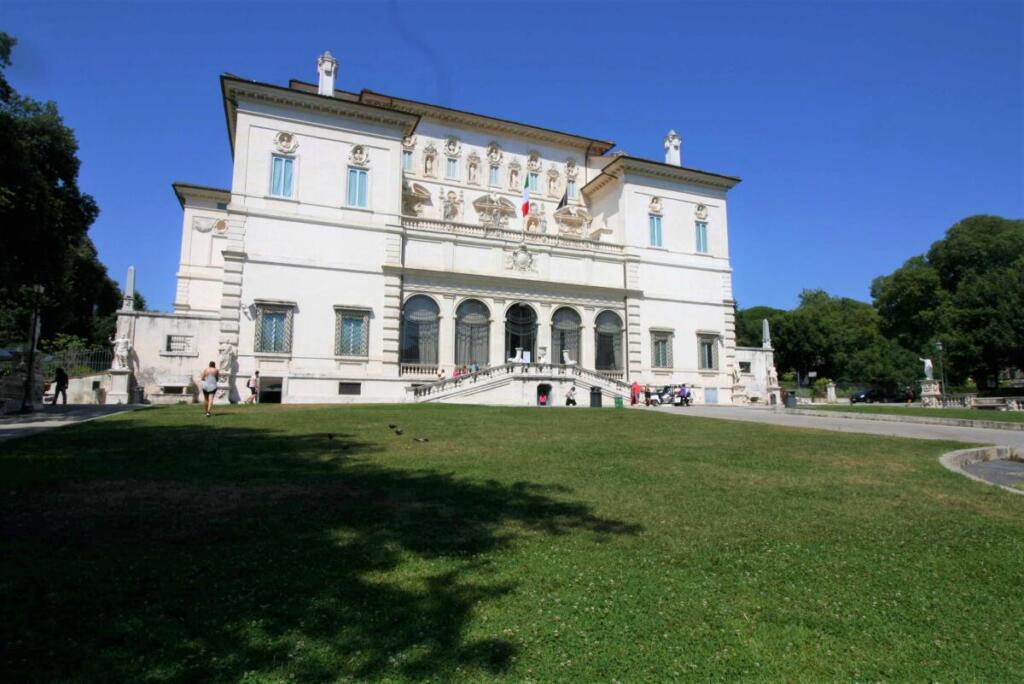
One of the most famous personages was his nephew Scipione Borghese (1577-1633), who was appointed Cardinal in 1605, purchased the Palazzo Borghese that had been started by Vignola in 1560, and began the construction of the large Villa Borghese.

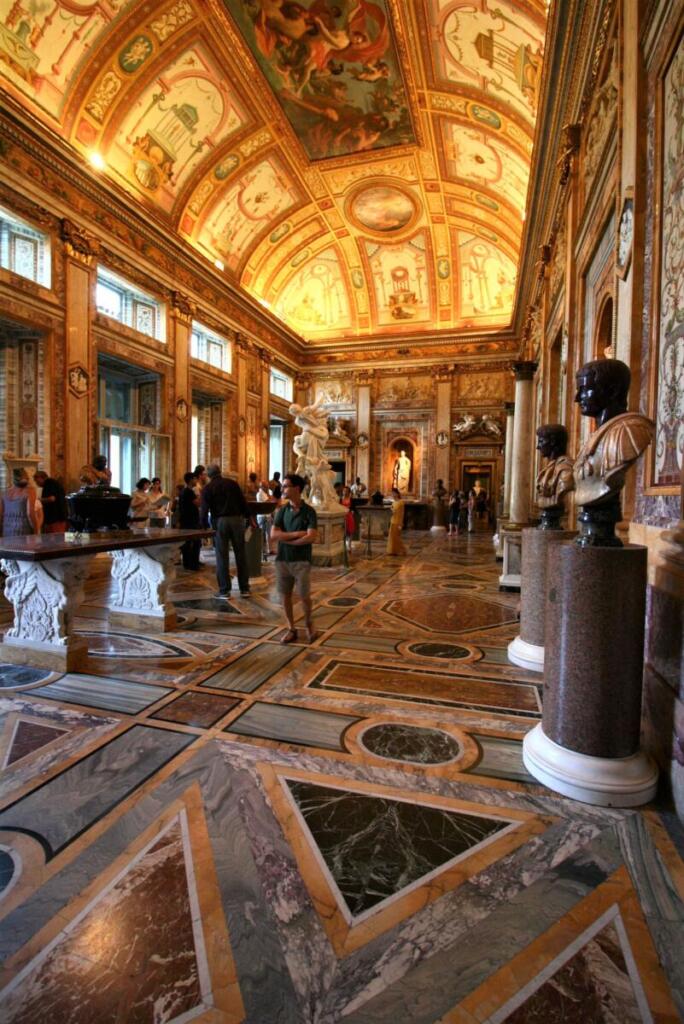
He was protector of the arts, in particular he commissioned various works from Bernini and created that wonderful collection of art kept in the Borghese Gallery.

Another nephew married Camilla Orsini and from 1640 the Borghese took over fiefdoms from Savelli, Colonna and Orsini, expanding to the Castelli Romani, in Palombara, Artena, Bomarzo, up to Sulmona.

In 1803 a descendant of the family, Prince Camillo Borghese married Napoleon's sister Paolina Bonaparte.

She was 23 when she married the prince and went to live in Villa Borghese. It was a marriage of interest only, and in fact Pauline continued to have a fee life with a large number of lovers.


In 1805 Canova made her famous with a naked statue, and in 1825 she died at 45 from a tropical disease.

Unfortunately, following her wedding, many works of art from the Borghese collection ended up in the Louvre.

On September 20, 1870, when the Bersaglieri entered through the breach of Porta Pia, they found themselves inside Villa Paolina, the villa she had purchased after separating from her husband.

In 1885 a financial crisis forced the family to sell many land and buildings and in 1901 the Italian state took over Villa Borghese, with 80 hectares of parkland, plus the whole gallery and the works contained therein.

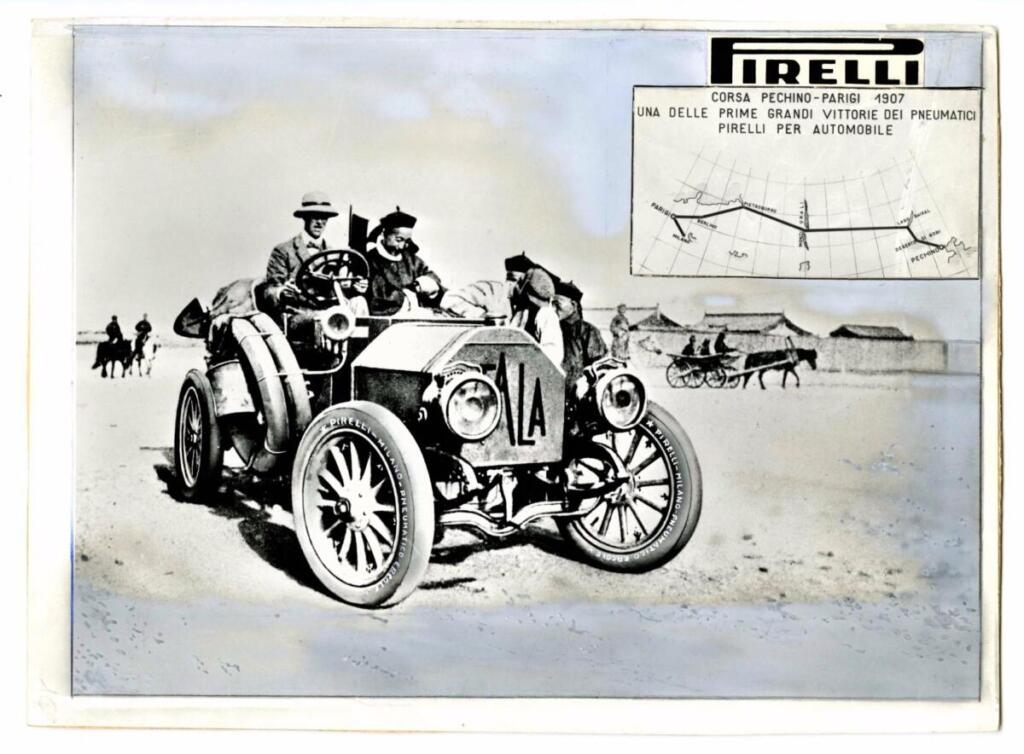
In 1907 another prince Scipione Borghese carried out the incredible feat of the Beijing-Paris Rally. Together with him as the mechanic and driver the journalist Barzini covered 16,000 km in two months with an Italian car.

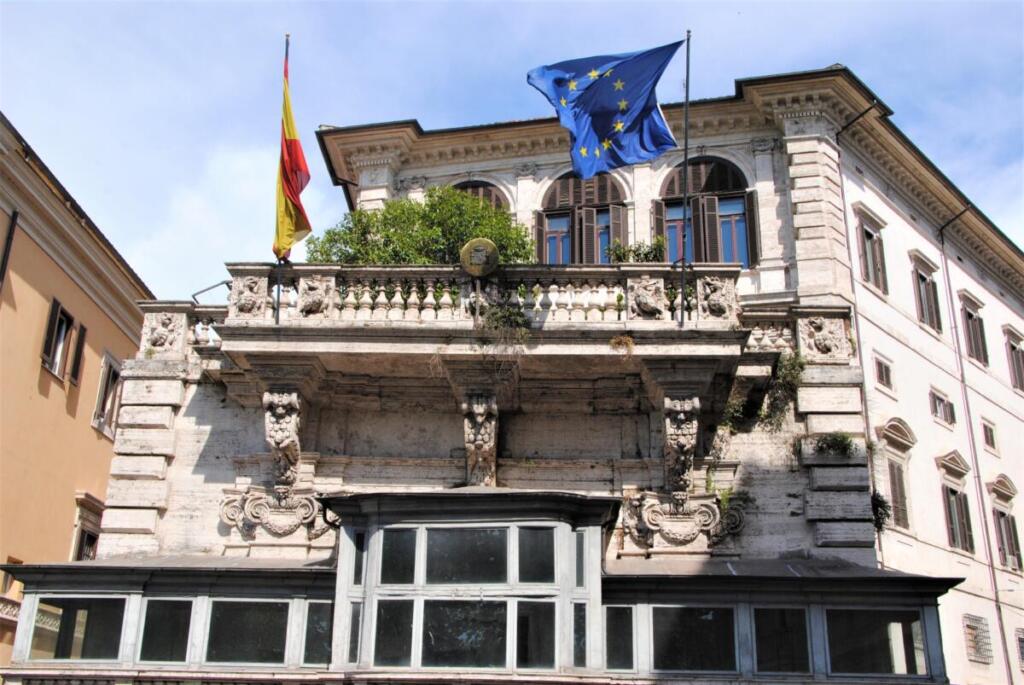
In the Palazzo Borghese there is now the Spanish Embassy.

powered by social2s
Articolo-Mazzarino-1-1024x773.jpg

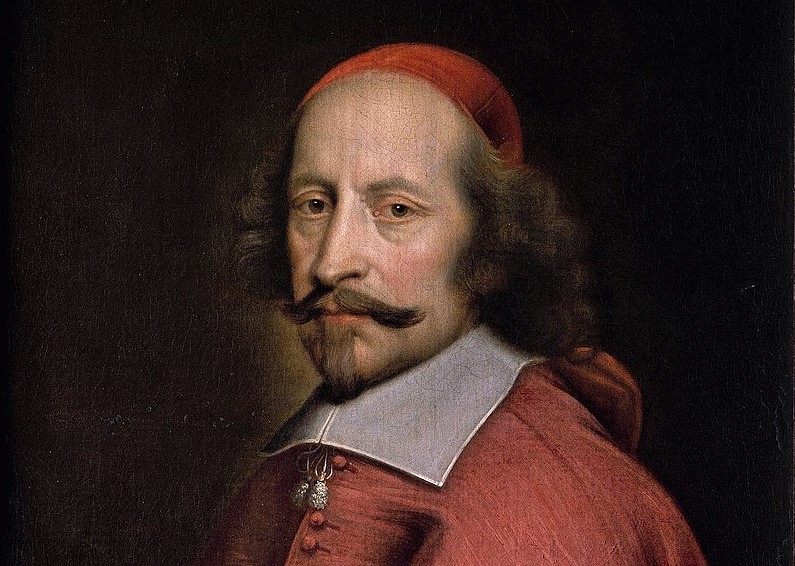
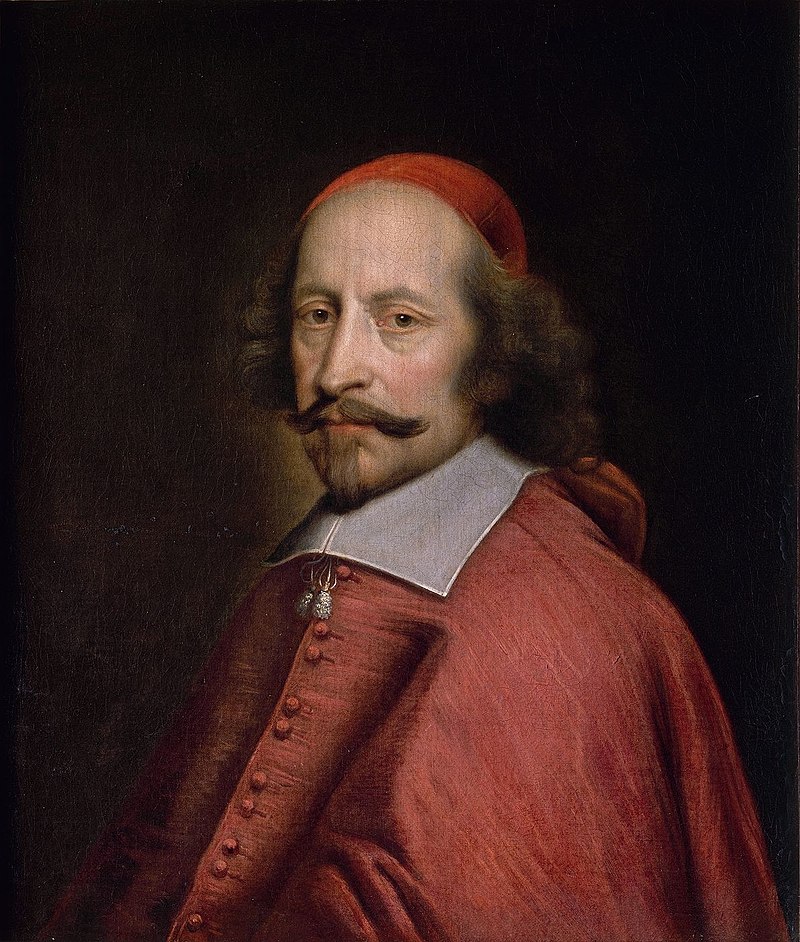
Cardinal Mazarin was a truly exceptional character.

He was born in Pescina in Abruzzo in 1602. He was gifted with great diplomatic skills and in 1634 he was already the Pope's Nuncio in Paris, where he established excellent relations with King Louis XIII and with the Prime Minister of France, the famous Cardinal Richelieu, who in 1639 hired him as secretary.

In 1641 Urban VIII Barberini appointed him cardinal, even though he was never a priest.

In 1642 Richelieu died and Mazarin became Prime Minister of France, the following year the King also died and since Louis XIV (the Sun King) was just five years old, Cardinal Mazarin found himself to be for many years, as regent, at the head of the Kingdom of France.

Some historians even speculate that Louis XIV was his son.

In the summer of 1644 after a strenuous conclave, following the death of Urban VIII, Cardinal Pamphili, who was already 70 years old and who took the name of Innocent X, was elected pope.

The Barberini thought they could continue their power politics (READ ALSO) and instead were immediately put on trial, also because they were hated by Donna Olimpia, sister-in-law of Innocent X (perhaps lover and for a decade effective head of the state).
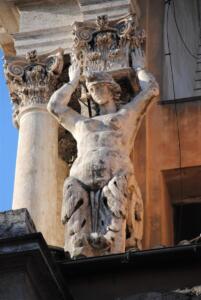
The Barberini took refuge in Paris, but soon returned to the city with the authoritative protection of Cardinal Mazarin.
The cardinal's sister had four very beautiful daughters and in 1650 took them to the court of Versailles, relying on her brother to educate them.
Indeed these girls, with their cousins, created a cheerful group called "Les mazarinettes".

Olimpia, born in 1636, married a Savoy and her son became the famous general Eugene of Savoy who, at the head of the Austrian army, defeated the Turks and built the Belvedere, the most beautiful palace in Vienna.

Maria meanwhile married a Colonna, prince of Paliano, but escaped to the north and was also a lover of Louis XIV.

And then there was Ortensia Mancini, born in 1646, the beloved, for whom the cardinal aimed to grant the kingdom of France.

But in 1661 Mazarin died after having arranged the marriage between the Sun King and Maria Theresa of Austria the year before, and Ortensia, appointed duchess, had to content herself with marrying Charles de la Porte at 15 years of age, the richest man in France.

An unhappy marriage, he was jealous and violent, they had five children one after the other but in 1668 Ortensia fled to Rome with her sister Maria, and then together they ran away to Savoy.

Here Ortensia also had a story with Carlo Emanuele of Savoy, until she was offered in 1675 to go to London to the court of King Charles II, of whom she became a lover.

She died in 1699 at 53 years after this troubled life. And this epigraph was dedicated to her:

“On 11 June 1699 the famous Duchess of Mazarin died. She had been the wealthiest woman in Europe. Niece of Cardinal Mazarin, she was of extraordinary beauty and spirit, but dissolute and intolerant of the restrictions of marriage."

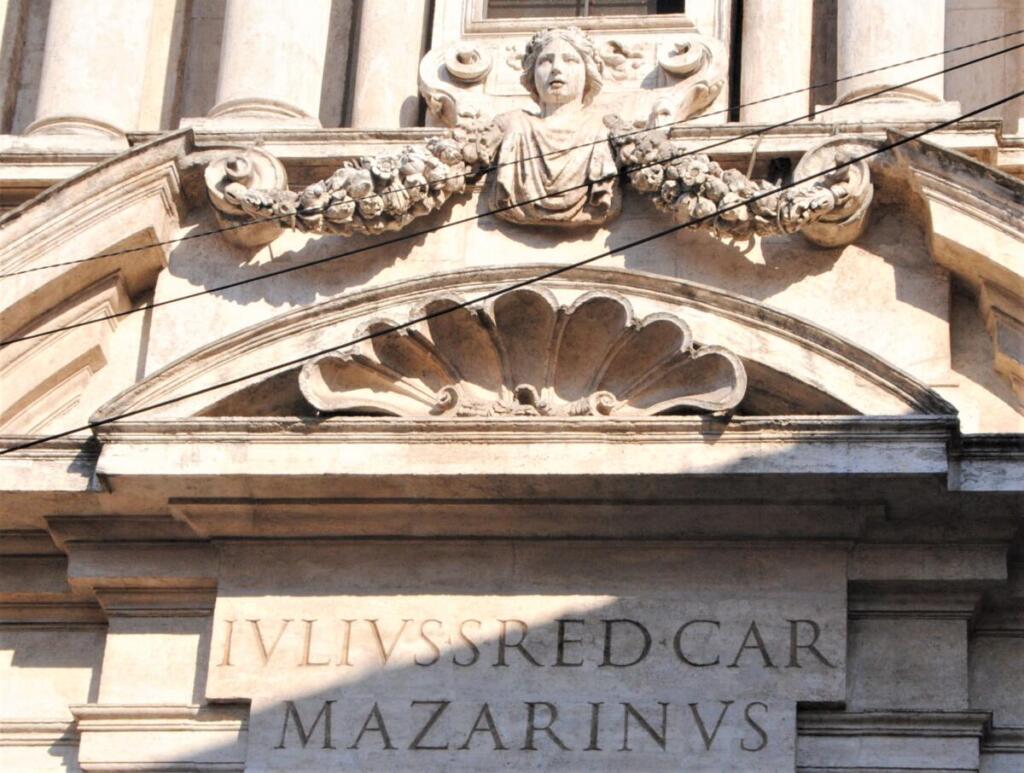
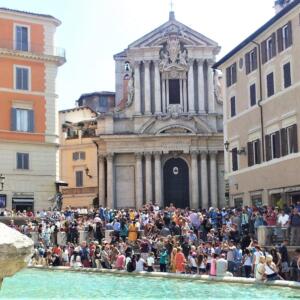
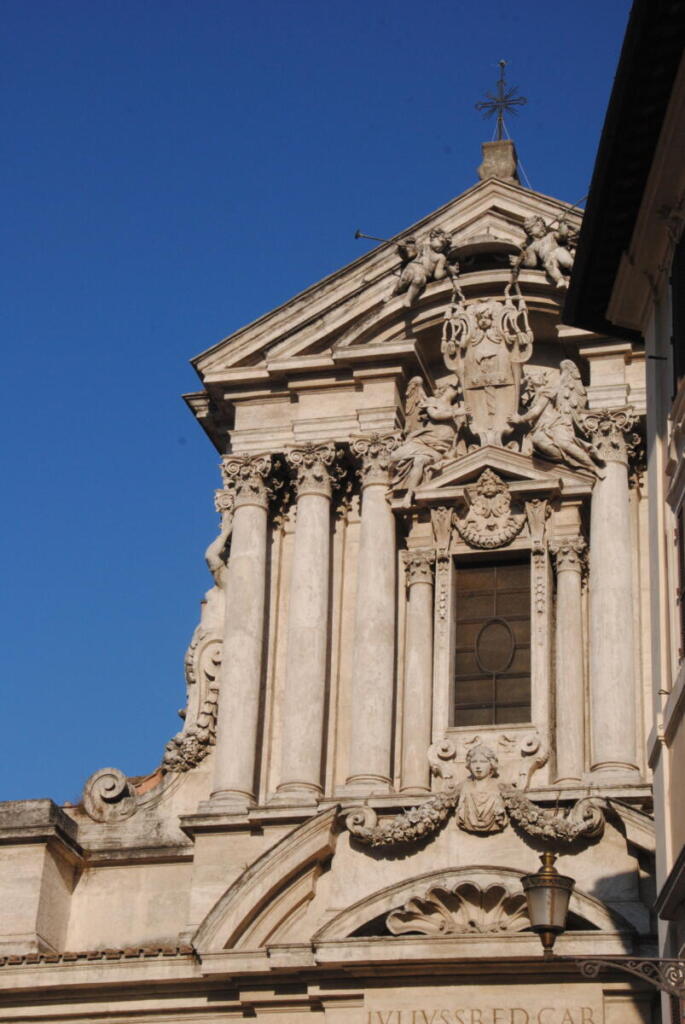
Between 1650 and 1655, Cardinal Mazarin had the Church of Saints Vincenzo and Anastasio built in front of the Trevi Fountain at his expense, with the face of his favourite niece Ortensia carved on the facade and two female figures with bare breasts on the sides of the church.

It is the only church to have these details.

powered by social2s
Articolo-Campidoglio-Cola-di-Rienzo-Filippo-Neri-5-1024x762.jpg

The Capitol is the hill overlooking the Roman Forum.

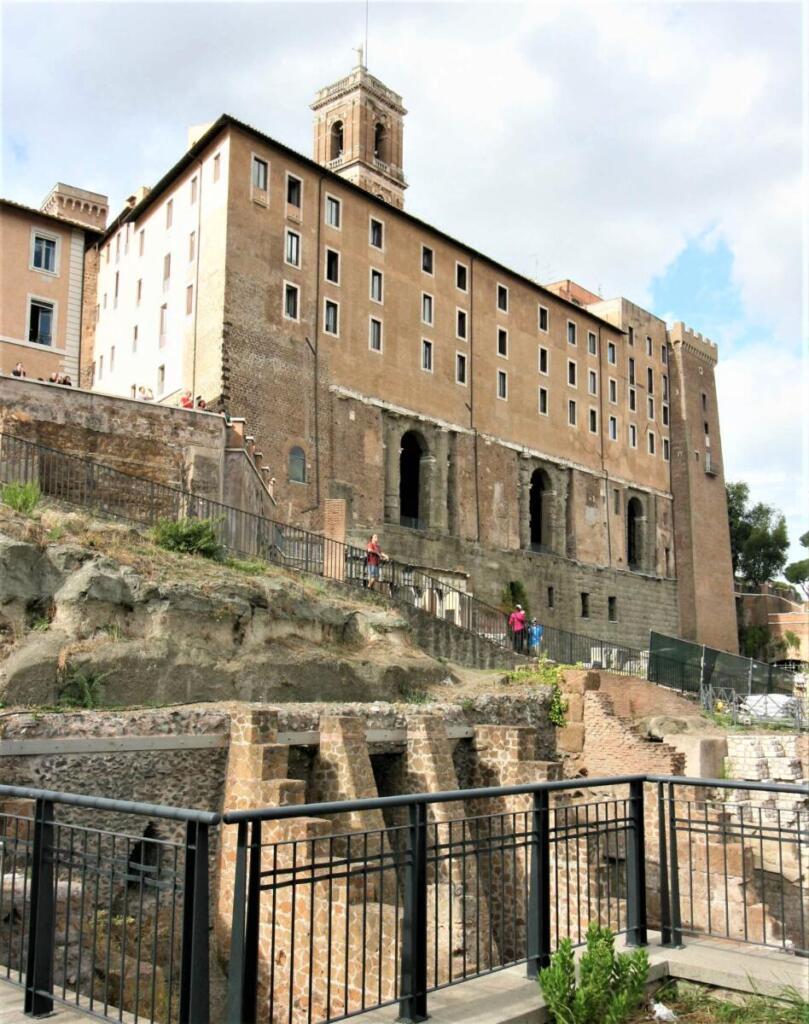
From the time of the Kings there was the Temple of Jupiter on the hill, while at the base, in the Republican era, the Tabularium, the state archive, was built.

In the Middle Ages a fortified palace was built in which, from 1150 and up to today, the civil power of the city took office: Senate and Municipality.

This palace, which first looked towards the Roman Forum, was then turned towards the square and the city.

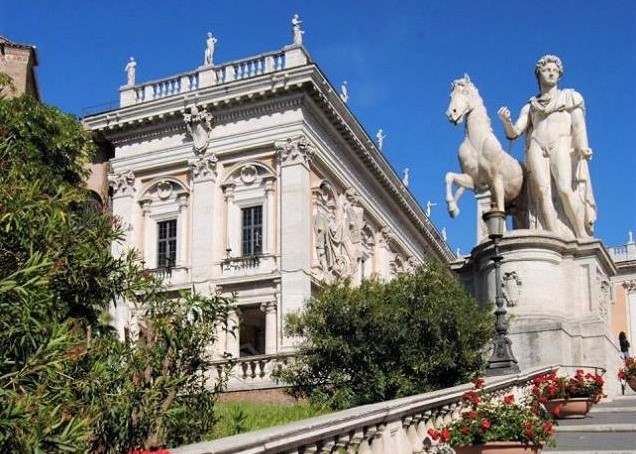
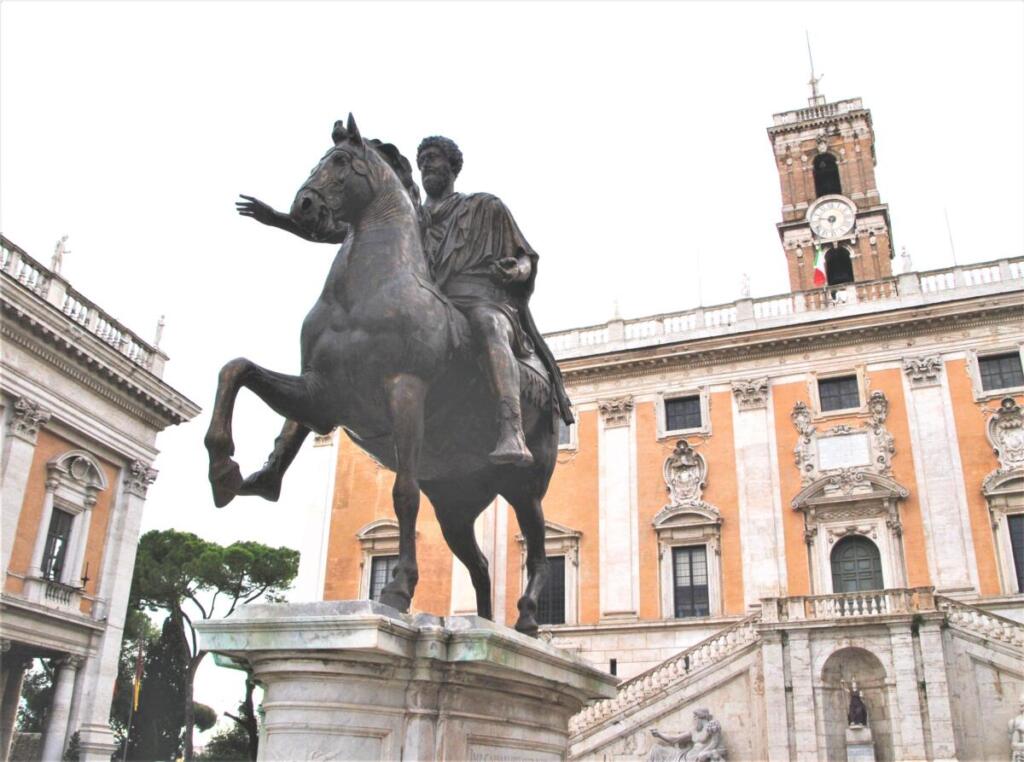
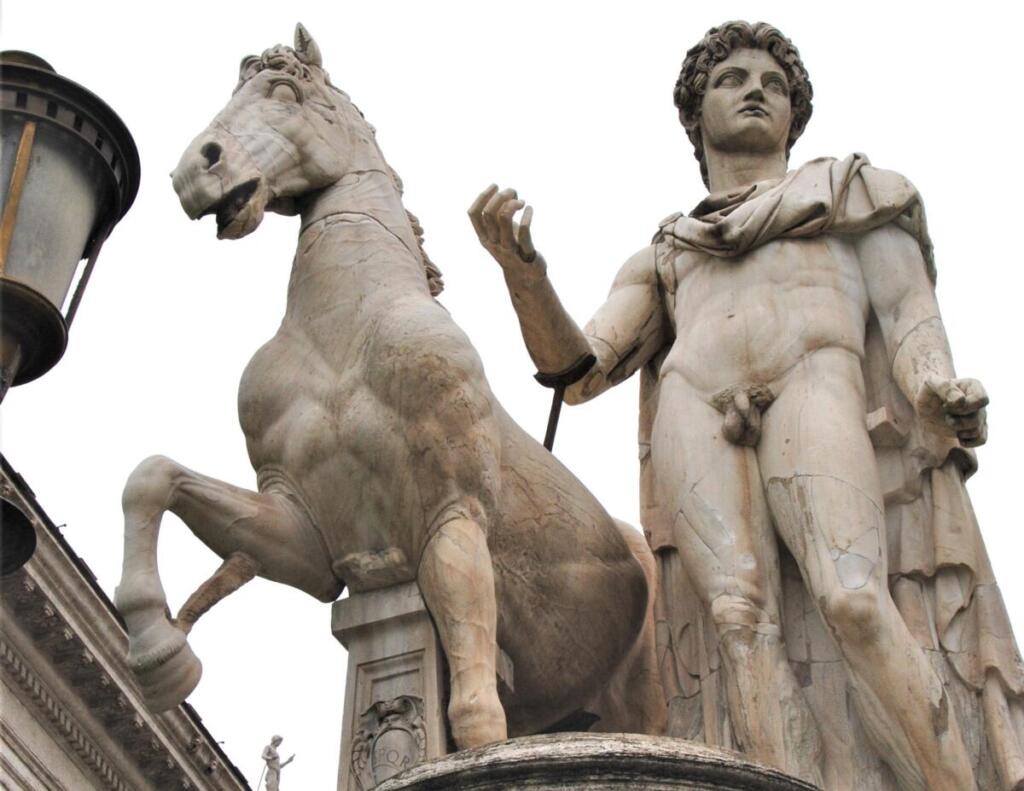
In 1534 Pope Paul III Farnese commissioned Michelangelo to arrange the square and the three buildings that made it up, placing the statue of Emperor Marcus Aurelius in the centre and the Dioscuri statues with horses on the sides.


This operation, carried out with great skill, was also done in view of the official visit of Emperor Charles V which would take place in 1536.

The statue of Marcus Aurelius had been created in 176 AD and before that it was in the Lateran. Today the original statue is protected in the museum while a copy has been placed in the square for several decades.

The two Roman statues of the Dioscuri with horses were found in the Circo Flaminio and were placed here in the 16th century, while the two Egyptian lions were placed at the base of the staircase.

Next to the staircase in 1911 was placed the statue of Cola di Rienzo, a character born in 1313 who modelled himself on medieval Rome.

It was the period when the papacy had been moved to Avignon in France, and the baronial families, especially the Colonna, Orsini and Savelli families, were perched in their palaces and castles and did what they wanted against any law.

Cola di Rienzo, intelligent and also cultured, went to the Pope in France and then in 1344 he returned to Rome starting to give speeches to the people to drive out the barons and restore order to the city.

At the beginning he had great success and became Tribuno del Popolo. But from 1337 he was taken by delusions of greatness and the people, influenced by the barons, turned against him and he had to flee to Prague, to King Charles.

He dedicated himself to studies, to then be sent by the King as Ambassador to the Pope in Avignon in 1353.

At first the Pope arrested him but then Cola di Rienzo convinced him and had himself sent back to Rome with an escort of a hundred men.

At the beginning he was well received by the Romans, but only for a short time because when he began to want to impose taxes, the people, raised by the Colonna, rebelled and attacked the Capitol killing him in October 1354.

In the early 1900s, Cola di Rienzo was judged to be a precursor of the Risorgimento and in 1911 the large avenue bore his name and the statue at the foot of the Capitol was dedicated to him.

In the two side buildings of the Piazza del Campidoglio are the Capitoline Museums, the oldest museums in the world, founded by Sixtus IV in 1471 and open to the public since 1731.

The two buildings are connected by an underground gallery and offer a total exhibition area of ​​13,000 square meters.

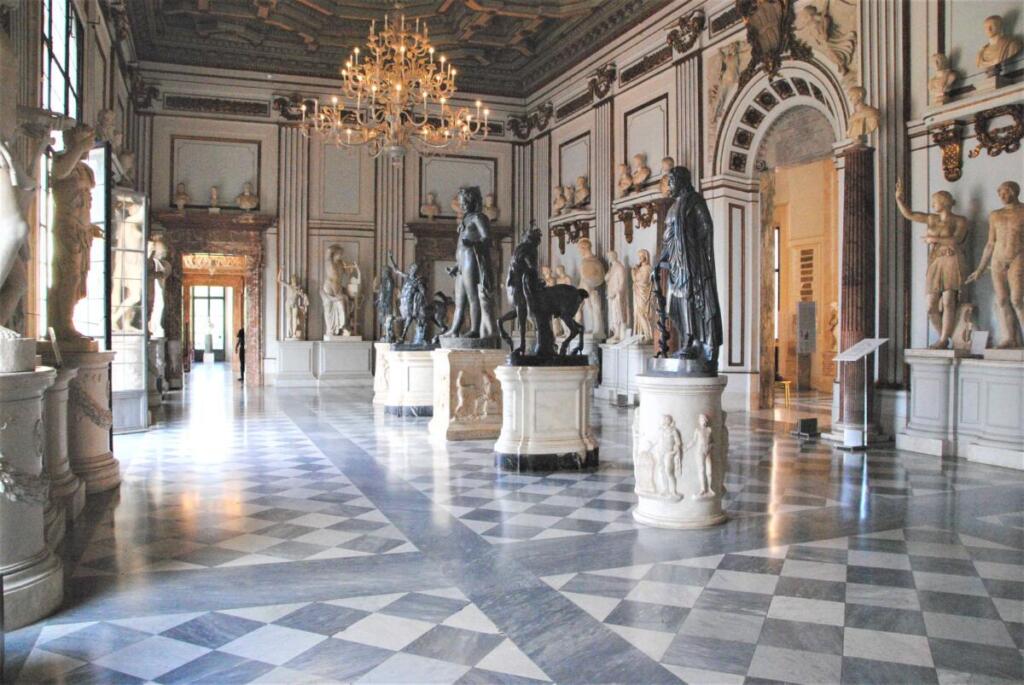
There are collections of Roman sculptures collected by various popes, but also Egyptian works and paintings, in addition to the original of the statue of Marcus Aurelius.

Even today the Palazzo Senatorio (Palace of the Senate) is the seat of the Municipality of Rome and the Mayor’s office has a balcony overlooking the Roman Forum.
 

powered by social2s
Articolo-Roma-Medievale-santa-prassede-1024x684.jpg

What was Medieval Rome like? The birth of the first churches.

Initially Christians met in rooms created inside private houses, in an underground manner, until in 313 the Emperor Constantine authorized the construction of churches.
[caption id="attachment_120255" align="center-block" width="750"] Santa Prassede[/caption]

Some of those "private churches", also located in the city centre, became public such as Santa Prisca, San Clemente and Santa Maria in Trastevere.

Meanwhile the new large basilicas were founded on the edge of the imperial city, San Pietro (Saint Peter), San Paolo (Saint Paul), San Giovanni (Saint John) and later Santa Maria Maggiore.

The first churches were built using marble, columns and capitals, found from abandoned imperial monuments, especially after 450 with the collapse of the Empire.

The large basilicas were then renovated several times between 1200 and 1750, in Romanesque, Renaissance and above all Baroque style.

To see the original characteristics of the first churches we must therefore visit the small, lesser known buildings.
[caption id="attachment_120252" align="center-block" width="750"] San Saba dell'Aventino[/caption]

The churches of Rome that best preserved the characteristics of the early Middle Ages, built between the year 450 and 850, are San Saba all'Aventino, Santi Quattro Coronati, Santo Stefano Rotondo, Santa Costanza and Santa Prassede.

San Saba all'Aventino, dating back to the Constantinian era, has four naves, frescoes and a cosmatesque floor.
[caption id="attachment_120237" align="center-block" width="684"] Santi Quattro Coronati[/caption]
The church of Santi Quattro Coronati is located between the Colosseum and San Giovanni and has the shape of a castle perched on the hill. Founded in the 4th century, it was modified with the portico and the tower under Leo IV (around 850).

It has three naves separated by columns taken from Roman buildings, with the women's galleries above. The beautiful side cloister followed, after 1200, as well as the cosmatesque floor.

Hidden in the middle of the houses of Rome, near Santa Maria Maggiore, is the Basilica of Santa Prassede. Already there` in 480, it was restored by the will of Pope San Pasquale I, in charge from the year 817 to 824.

It contains the most important Byzantine mosaics in Rome, the ones that the pope had built on the apse and in the chapel of San Zenone, the tomb for his mother Theodora.

In the basilica of Santa Prassede, where the sisters Prassede and Pudenziana are also buried, the pope had the remains of 2300 Christian martyrs transferred from the catacombs.

The floor is cosmatesque from the 1200s, the side frescoes from the end of the 500s.

Santa Costanza in via Nomentana derives from the transformation of the mausoleum of Constance, daughter of Constantine.

Santo Stefano Rotondo, very impressive like the others already mentioned, is a circular church located on the Celio and founded in 450.

powered by social2s
Articolo-Architettura-Liberty-1-1024x588.jpg

In November 1907 Ernesto Nathan was elected mayor of Rome. The fact created a lot of turmoil for various reasons and would affect the history of the city until 1925.

Nathan was born in London in 1845 to Sara Levi from Pesaro and Moses Meyer Nathan, both of Jewish origin.

His mother was a fervent Mazzinian and was involved in raising financial support for the Risorgimento cause.

Scholars agree that she had had a love affair with the Genoese patriot, and someone has also argued that Ernesto was Mazzini's natural son, a hypothesis that nevertheless enjoys little credit.

From 1870 Nathan came to Rome and from 1896 he was Grand Master of Freemasonry. Until then the mayors of the capital had been chosen from among the families of Roman landowners.

He remained in the office of Mayor until December 1913, with strong opposition from the Catholic hierarchies.

His priority commitments were the drafting of a new master plan, that of Sanjust, published in 1909, the construction of kindergartens and the organization of the 1911 Exposition for the fiftieth anniversary of the Kingdom.

On this occasion the Monument to Vittorio Emanuele, the Palace of Justice, the avenue of Fine Arts with the Gallery of Modern Art, the exhibition pavilions in the area of ​​Piazza Mazzini, the Archaeological Walk were all inaugurated.

An anecdote tells us that as soon as he was elected, to save money, he removed the budget item relating to food for feline colonies from the budget, from which the saying arose "there is no tripe for cats".

From 1911 to 1925 there was a happy period for Roman architecture, with the Liberty style arriving later than it did in Northern Europe.

In the new expanded districts, a building style full of imagination was born: piazza Tuscolo, piazza Verbano, via Appia Nuova, Corso Trieste, piazza Sempione, Garbatella ... but first of all, there was the Coppedè District.

Gino Coppedè was a truly original architect who interpreted European Liberty style in his own way.

Born in Florence in 1866, he was commissioned to design an entire district of Rome in 1919. He created fairy-tale buildings, with references to the Middle Ages, and including esoteric symbols.

At his death in 1927, the neighbourhood was not completed and there was pressure to modify his works, that were too different from the now dominant ideology.

Apart from the villas and public buildings, buildings were built in the 1920s for the middle class with many apartments largely different from each other, but with original and refined finishes.

I can't say if the main merit was the legislation or creativity, certainly the result is remarkable. Many works were created by the Istituto Case Popolari, whose creative minds were Innocenzo Sabbatini and Camillo Palmerini.

Finally, the building in via Albalonga, designed by Enrico del Fa and the one in viale Regina Margherita designed by Vittorio Morpurgo should be mentioned.
Then in a few years everything changed, the decorations disappeared from the private buildings, a rigid functionalism and the reference to "Romanity" prevailed.
 

powered by social2s
Articolo-Campo-de-Fiori-1-1024x684.jpg

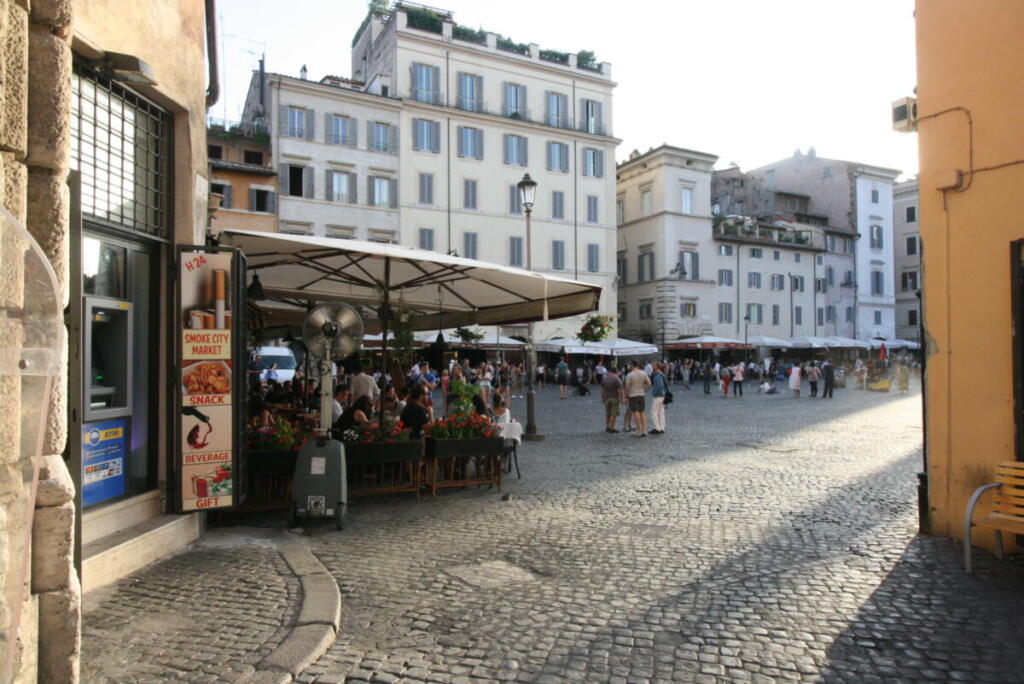
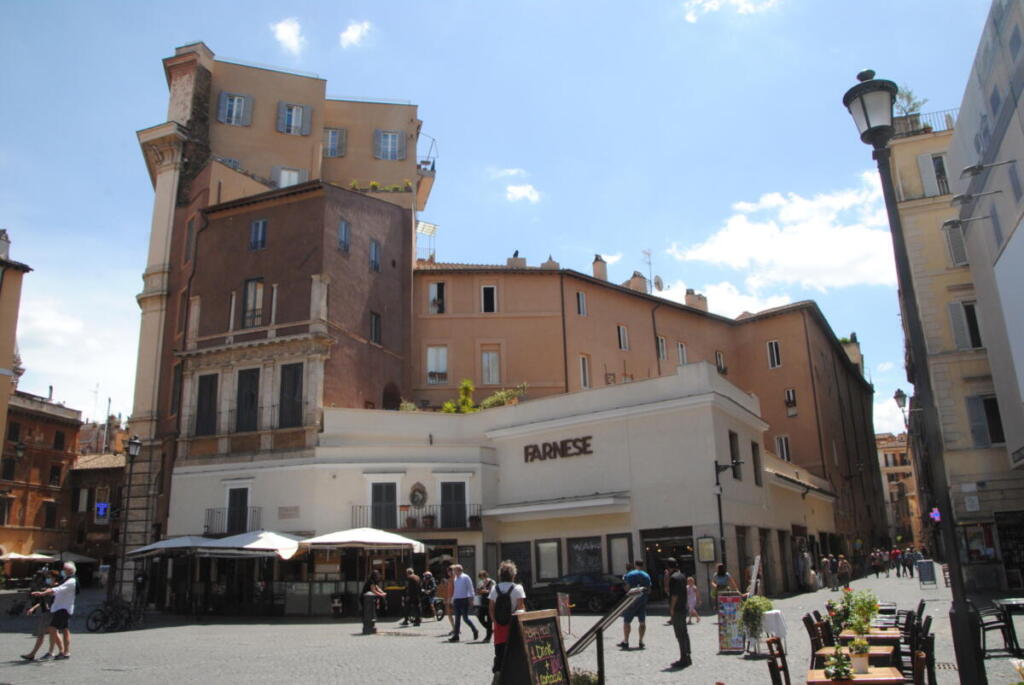
If the Roman Forum was the centre of Ancient Rome, the area between Campo de Fiori and the Tiber was the centre of the city in the Middle Ages and the Renaissance.

Campo de Fiori is not a designed square, like other famous squares, it does not have important churches and palaces, but it was a lawn on which the market was held and a place of passage, a connection between the Chancellery, Farnese Palace, the Tiber, the Jewish neighbourhood.

It was a place of executions and now is the centre of nightlife.

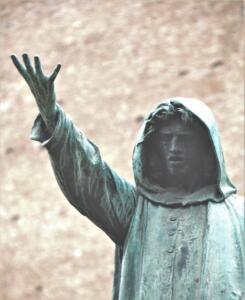
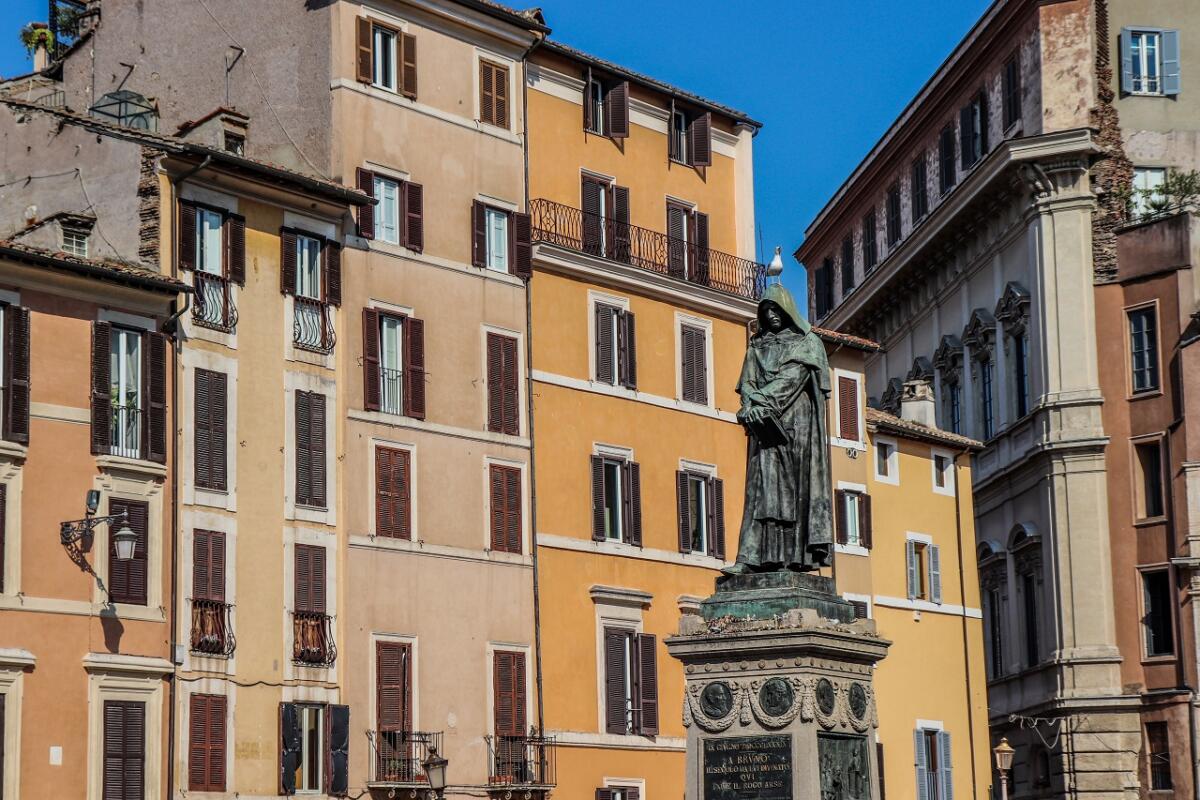
In the centre of Campo de Fiori there is the monument dedicated to the philosopher Giordano Bruno, who was executed here.

The buildings located between this square and the Largo di Torre Argentina were built, starting after the collapse of the Empire, on the ruins of the oldest theatre in the city, the Pompeo Theatre, and still retain their semicircular shape.

Palazzo Orsini Pio Righetti, (READ ALSO) with the image of the unfinished building, overlooks Piazza del Biscione from which the Passetto with its frescoed vault starts. The columns of ancient Rome emerge from the walls, creating impressive images.

Fortunately, this complex was only touched by the pickaxes that destroyed so much, from 1870 to 1936, with the excuse of archeology.

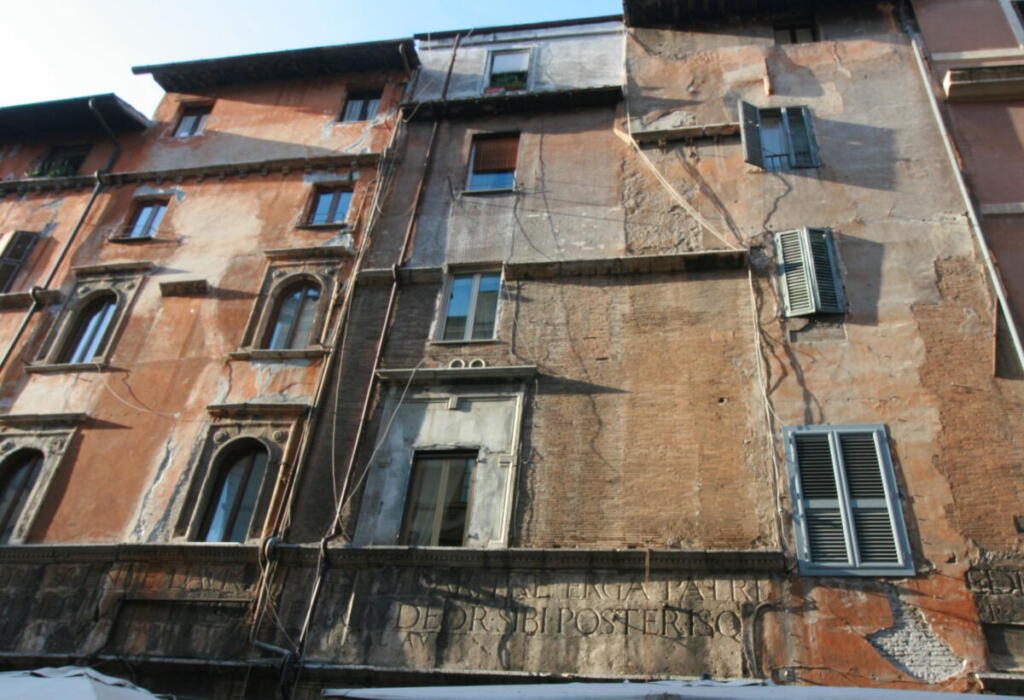
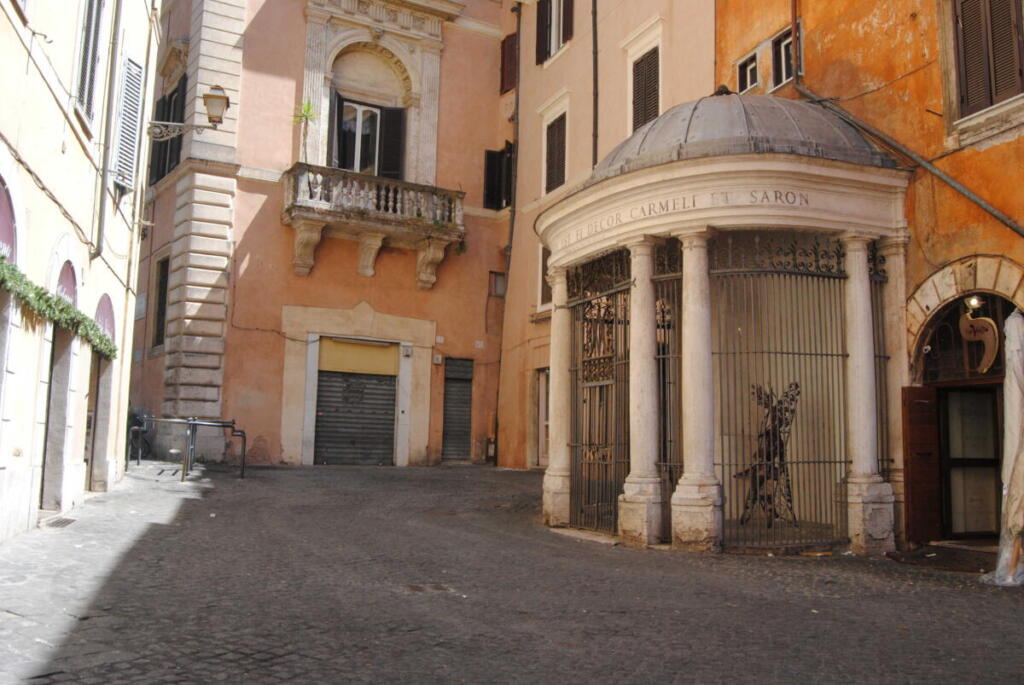
Crossing via Arenula, created with post unification demolitions, you enter the neighbourhood that has always been inhabited by Jews. This neighbourhood became a ghetto in 1555.

In fact, in that year Pope Paul IV Carafa, a destructive personality, established the Jewish Ghetto in Rome and imposed a series of severe limitations on the Jews.

This neighbourhood was surrounded by a wall within which the Jews had to reside, the doors were closed at sunset and reopened in the morning.

The Jews had to carry a distinctive sign, they could not own real estate or exercise professions or businesses, with few exceptions. The wall remained standing for almost three hundred years, and was demolished in 1848 by Pius IX.

After 1870 the largely dilapidated houses were demolished and in 1901 the great Synagogue was built.

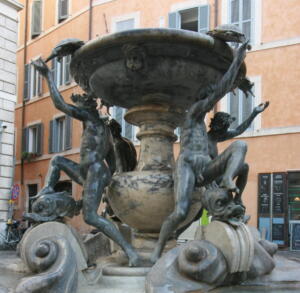
Inside the Ghetto there is the Portico di Ottavia, a building rebuilt at the time of Augustus and then used for centuries as a fish market. Near the ghetto there are a series of palaces of the Mattei and Costaguti families, with in the centre the beautiful Tartarughe Fountain, designed in 1580 by Giacomo della Porta.

A few steps from here there is the palace of the Cenci family, which brings us the memory of the story of an unfortunate girl. In fact, in September 1599, three noblemen were sentenced to death in front of Castel Sant'Angelo.

22-year-old Beatrice Cenci, was accused of killing her father (a violent and depraved man) in conspiracy with her mother, Lucrezia and her brother, in the castle in Petrella Salto on Lake Salto.

After a year of imprisonment in Castel Sant'Angelo they were executed in the square by beheading, by order of Pope Clement VIII Aldobrandini.
Caravaggio was also present at the execution, who a few years later would risk the same end.

Palaces, castles and other belongings of the family, put up for auction, were bought at a good price by the Pope's nephew Cardinal Pietro.

A few months later in February 1600, the same fate fell to the philosopher Giordano Bruno burned for heresy in Campo de Fiori. Under orders of Pope Clement, in name but not in fact.

powered by social2s

Subscribe to Newsletter

Discover a territory through the emotions of the people that have lived it.