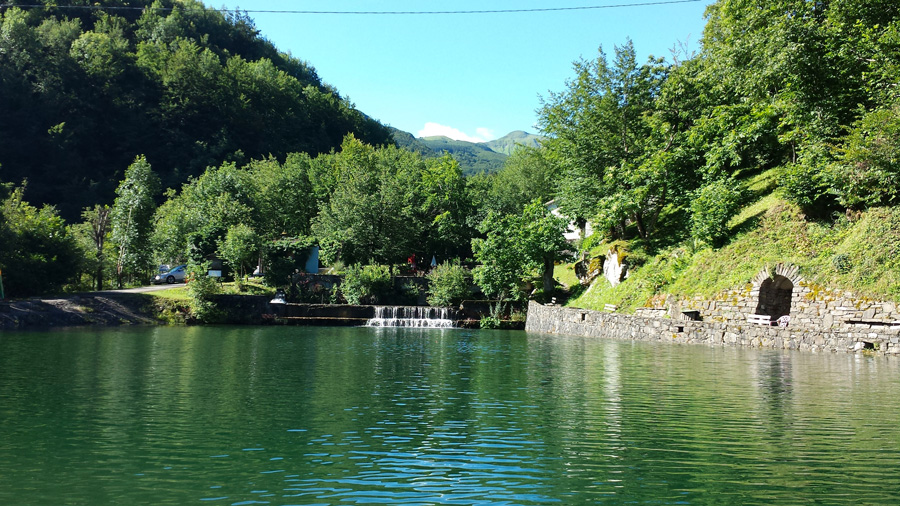
For all geology enthusiasts, the area where the towns of San Donaci, Cellino San Marco, Squinzano and Trepuzzi are located is a great ‘polje’ or karst depression and is a perfect example of the karst in this part of Puglia.

Polje is a term that comes from the other side of the Adriatic and means "karst dolina", i.e. a large plain bounded by a rocky edge. A water catchment rich in water that makes all the land very fertile.

For the fans you can recognize the walls that surround the polje.
powered by social2s
Supino. Ouso of Pratiglio Space

The Ouso Passo Pratiglio in Supino is the deepest cave of Lazio that starts at an altitude of 1,360 meters on the south-east of Mount Malaina, in the Lepini Mountains, and has a vertical drop of about 840 meters.

The explorations were arrested in front of a large lake-siphon which receives water from a large funnel.

This, together with the strong air circulation, suggests the presence of another entrance on top of the mountain yet to be identified.

powered by social2s
OLYMPUS DIGITAL CAMERA
Falvaterra. Caves of Falvaterra and Rio Obaco

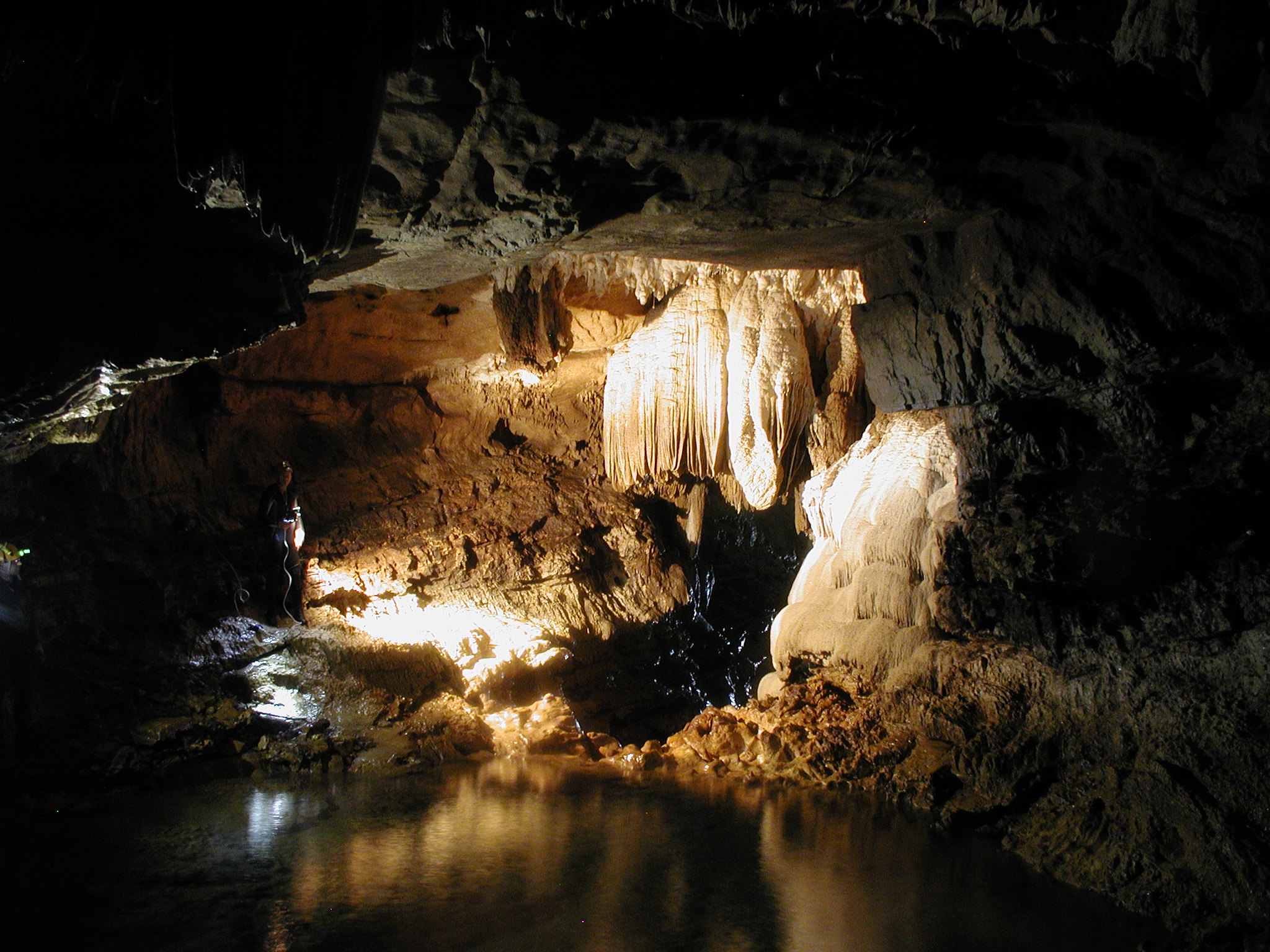
The Falvaterra caves are among the longest of central Italy, and are articulated with an area rich in water and quieter areas, having some fossils, with underground lakes and stalactites.

The active part is connected directly with the caves of Pastena, at a distance of about 2.5 km.
 

powered by social2s
Collepardo. The Collepardo Caves

The Collepardo caves are called Bambocci - kids caves but also known by the name of "caves of queen Daisy", following the visit of the sovereign in 1904.

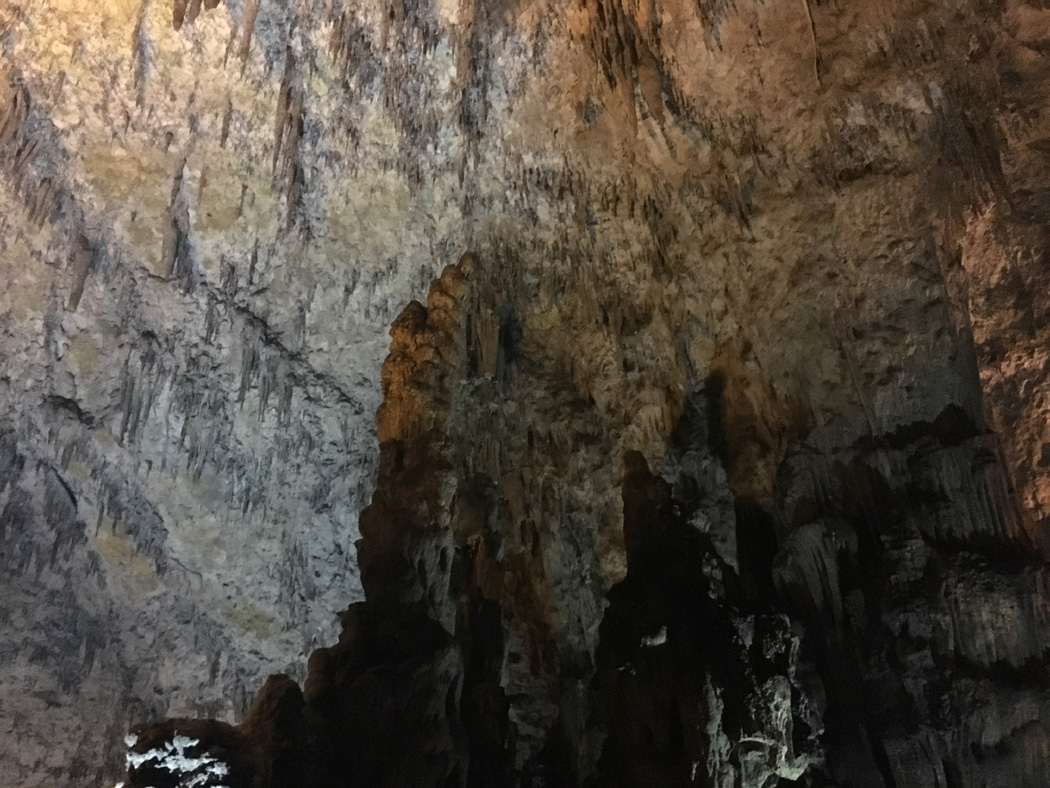
The spectacle of stalactites and stalagmites has a unique charm due to the singularity of their forms.

In the Collepardo caves evidence has been found of the mystery solar cult of Mithraism, a sign that the cave was once a sanctuary.

powered by social2s

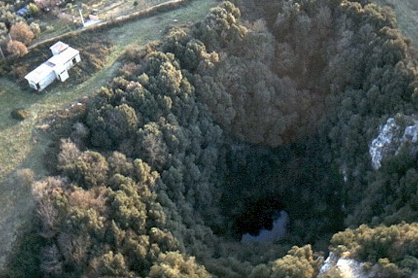
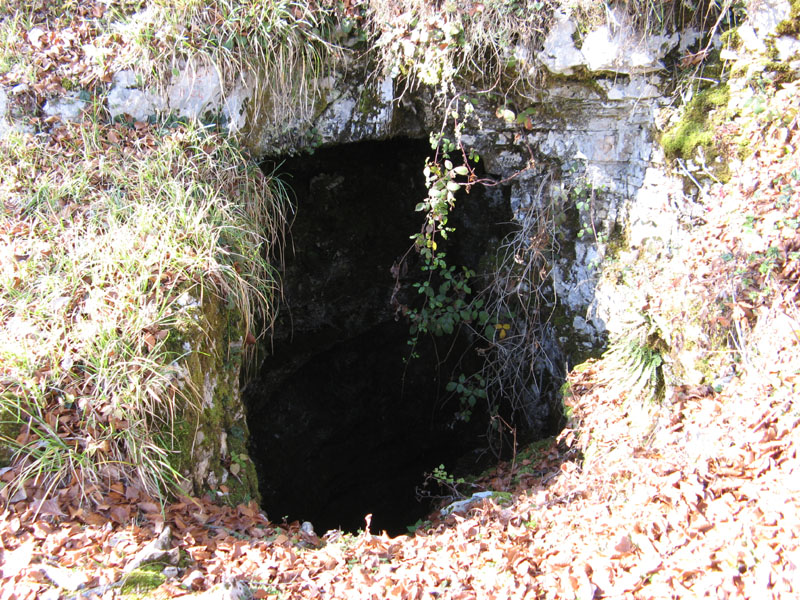
Here at Belmonte Castello the pits are one of the local karst phenomena that characterize the mountains and these two chasms came about from underground collapses.

In the location of Capodivalle there is a deep crater about 130 meters and a diameter of 60 meters while at Vaccareccia the sinkhole is about 110 meters deep and has a diameter of 120.

You can sense the flow of water coming from the bottom and the cold drafts of air.
 

powered by social2s
ph Francesco Cervoni
Sant'Angelo Romano. Well of Merro

The Well of Merro or just Merro in Sant'Angelo Romano is a karst chasm, a sinkhole, which is home at the bottom to a pond about 20 m in diameter. With its depth of 392 meters it was the deepest in the world, before Zacatòn in Mexico.

The hypothetical bottom has been plumbed with an underwater robot (thanks to firefighters) but all probes lowered into the well until now have not found the real bottom.

It is located within a protected region and is an ideal habitat for certain types of plants and animals, the most significant are some fish and crustaceans such as Niphargus cornicolanus you would find only in this well at a depth of 70 meters.

powered by social2s
Pertuso Roiate
Pertuso Roiate

Pertuso Roiate is a typical natural tunnel carved in a trench by the water of the Rio.

It sinks to about 300 meters. In dry periods there is no water flow in the trench and into the cave, while in the wet, the floods are violent.

powered by social2s

Recommended

Subscribe to Newsletter

Discover a territory through the emotions of the people that have lived it.