Cellino San Marco. Nature Park

The visit to the nature park starts by climbing onto a small train that leads to the Curtipetrizzi Forest for an excursion where you can admire and study the beauty of the forest, focusing on the flora and fauna.

You will be able to find nature in the sounds, colours, shapes and scents that were those that once covered the entire landscape of Puglia. In this area of ​​the park there are also various thematic areas such as the "World of Fairy Tales in the Woods", the "World of Gnomes", "La Giungla" - the "village of Tarzan" up to the Jurassic area set up with dinosaurs inside the wood.

The minizoo is an area of ​​the forest in which different types of animals live in large open spaces: Tibetan goats, camels, dromedaries, eagles, owls, donkeys, mouflons (wild sheep), Highland cows, Indian ducks, zebras, ponies, deer, llamas , etc.
powered by social2s
Cellino San Marco. Curtipetrizzi Forest

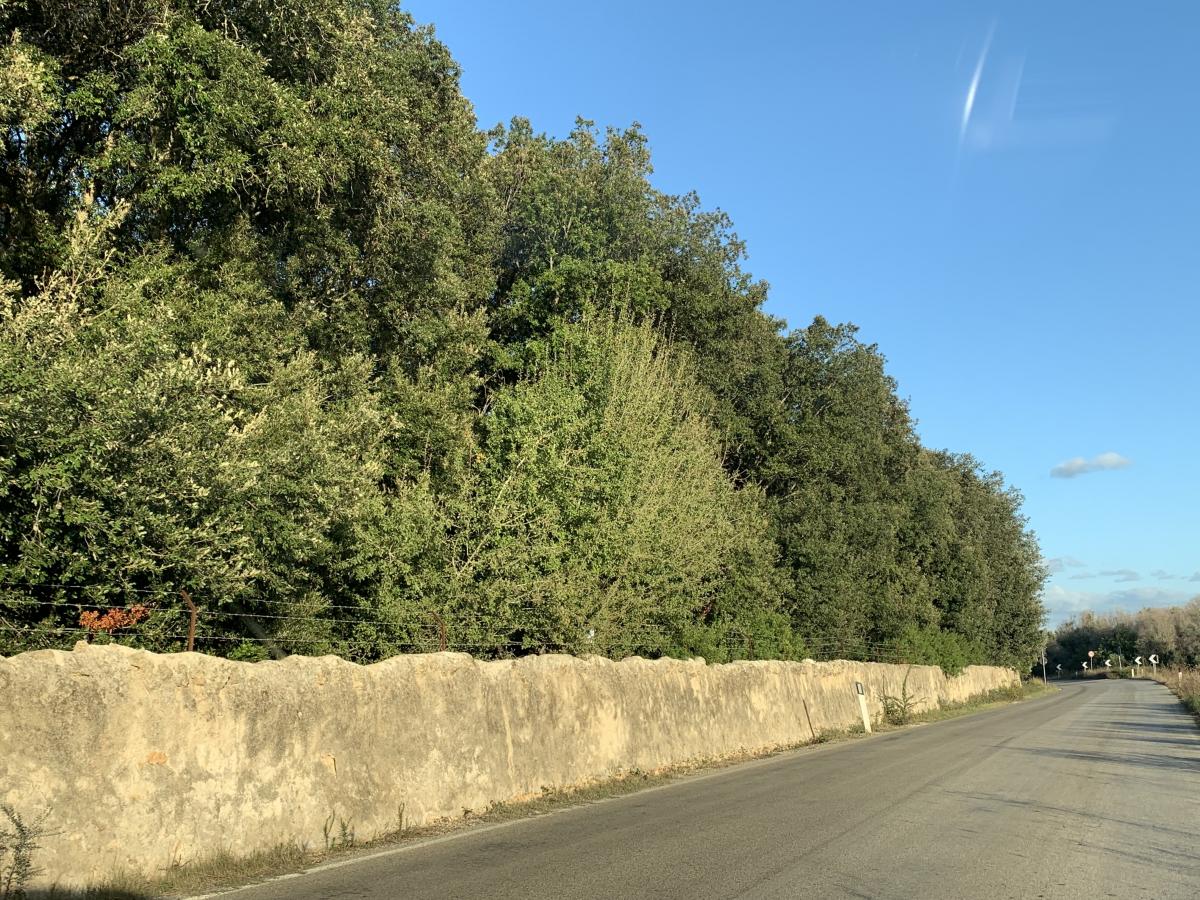
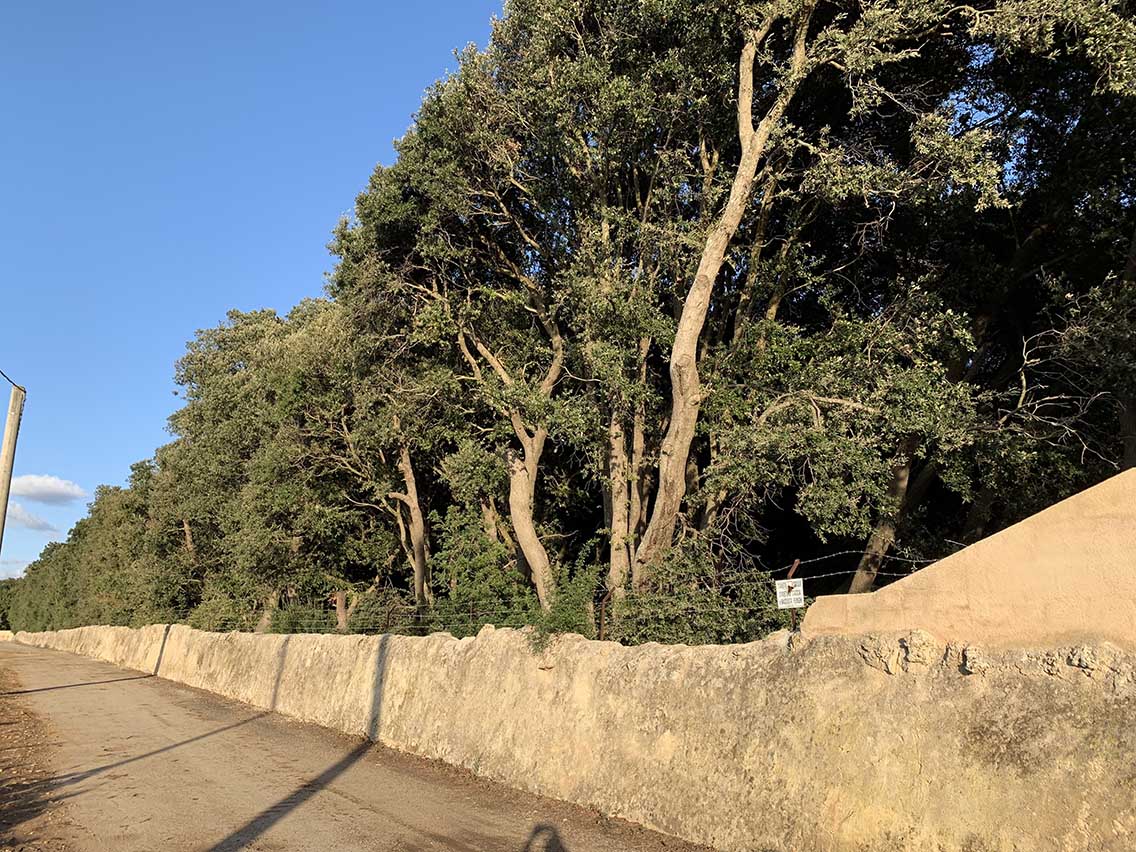
The forest of Curtipetrizzi in Cellino San Marco represents a cross-section of the forest that once covered this area of Salento that is famous since the pre-Roman period for its vegetation.

The forest has since been supplanted over the centuries by crops but one example has survived in Cellino San Marco because an area was enclosed by Count Balsamo, in fact the name Curtipetrizzi means "place closed by stones".

The forest covers an area of about 60 hectares and is a naturalistic area of community importance. An evergreen forest where you can find holm oaks, Aleppo pine and the rare Valonia oak while the undergrowth has all the characteristics of the Mediterranean scrub.

Inside the forest there are wetlands fed by an aquifer and many wild animals including fallow deer, foxes, porcupines and gray herons.
The forest is now private property and belongs to Franco Carrisi.

powered by social2s

The park of Villa Torlonia is located within the city of Frascati and has a large extension and a particular naturalistic beauty.

The park is a two-level garden with an upper terrace that houses holm oak woods and a fishpond.

The fishpond is the starting point of the spectacular play of waters: from here a cascade of water descends into degrading pools until it ends in the front designed by Maderno, the architect of the facade of St Peter in Rome.

powered by social2s

The Villa del Vescovo park of Cecchina was beside a building in liberty style of the early twentieth century that was the residence of the bishop of Albano Laziale.

Today it has been purchased by the municipality and houses the Municipal library of Cecchina, a detached section of the central library, and has a large playground where Cecchina's children and youth meet.

powered by social2s

The Regional Park of the Castelli Romani extends in the area of ​​the ancient volcanic system of the Alban Hills and includes 15 municipalities.

In this area there are the ruins of the Etruscan city of Tusculum and the two lakes of Albano and Nemi.

The flora of the park includes many chestnut woods at high altitude and a remarkable variety of plants and flowers.

Since the establishment of the park the badger, the marten, the peregrine falcon, the spectacled salamander, the porcupine and even the wolf have returned.

powered by social2s

The area of ​​Campaegli in the territory of Cervara di Roma is part of the Regional Park of the Simbruini Mountains, the largest protected area in Lazio, and is the gateway to it.

The name of the park comes from the Latin "sub imbribus" (under the rains) and immediately denotes its main characteristic: that of being rich in water and here are born the rivers Aniene and Simbrivio who for centuries distributed their water in aqueducts.

The luxuriant and uncontaminated nature of the park bordering an equally rich and protected Abruzzese territory has made this park the paradise of many species of animals such as wolves, deer, roe deer, wild boar, martens and wild cats.

powered by social2s

In Pontinia there is one of the largest theme parks in Europe.

It is called the 'Park of the Continents' and opened in April 2018. It was created by Antonio Aumenta, a plant enthusiast and graduated from an agrarian institute, who traveled the world collecting rare and ancient plants.

A large botanical park where you can admire the flora and landscapes of all the continents of the world. Divided by geographical areas and not by climatic bands, as often happens in similar parks.

The idea was to recreate a landscape and the vegetation of a distant country, to find the atmosphere of that place.

The park is 16 hectares large and there are thousands and thousands of different plants.

In the Park of the Continents of Pontinia the boulders of the Mexican desert, the sand and the Australian land were also imported. They also brought millennial plants, more unique than rare, and described rain and desert landscapes.

In the area dedicated to Europe, it was made a tribute to the olive tree, creating a colossal amphitheater and very suggestive with stone and olive trees.
The park was chosen for photographic and film sets in the recent past.

A challenge not just for this entrepreneur who became one of the biggest collectors of plants in the world.

It really seems to follow an imaginary path of the sunny desert or to plunge into the atmosphere full of the smells of an ancient Japanese garden.

powered by social2s

Recommended

Subscribe to Newsletter

Discover a territory through the emotions of the people that have lived it.