Anguillara Sabazia. Broccoletti in Piazza

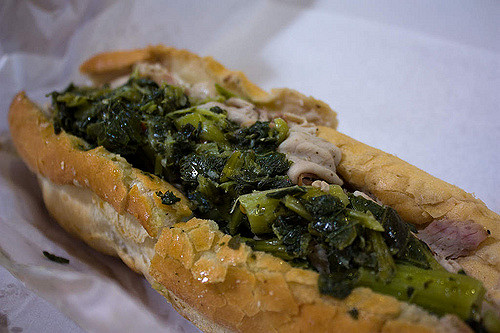
At the end of March an unforgettable festival in Anguillara Sabazia, who celebrates with one of their most popular local products, broccoli rabe.

They are recognized by the Lazio Region as “a typical traditional product of Lazio”.

A festival that every year involves the whole town, with lots of events and activities to learn more about this product and its various preparations.

There are food stands and craft markets that line the streets of the town. A wonderful day to enjoy the view over the Bracciano lake.

powered by social2s
Poggio San Lorenzo. Festival of Frittello

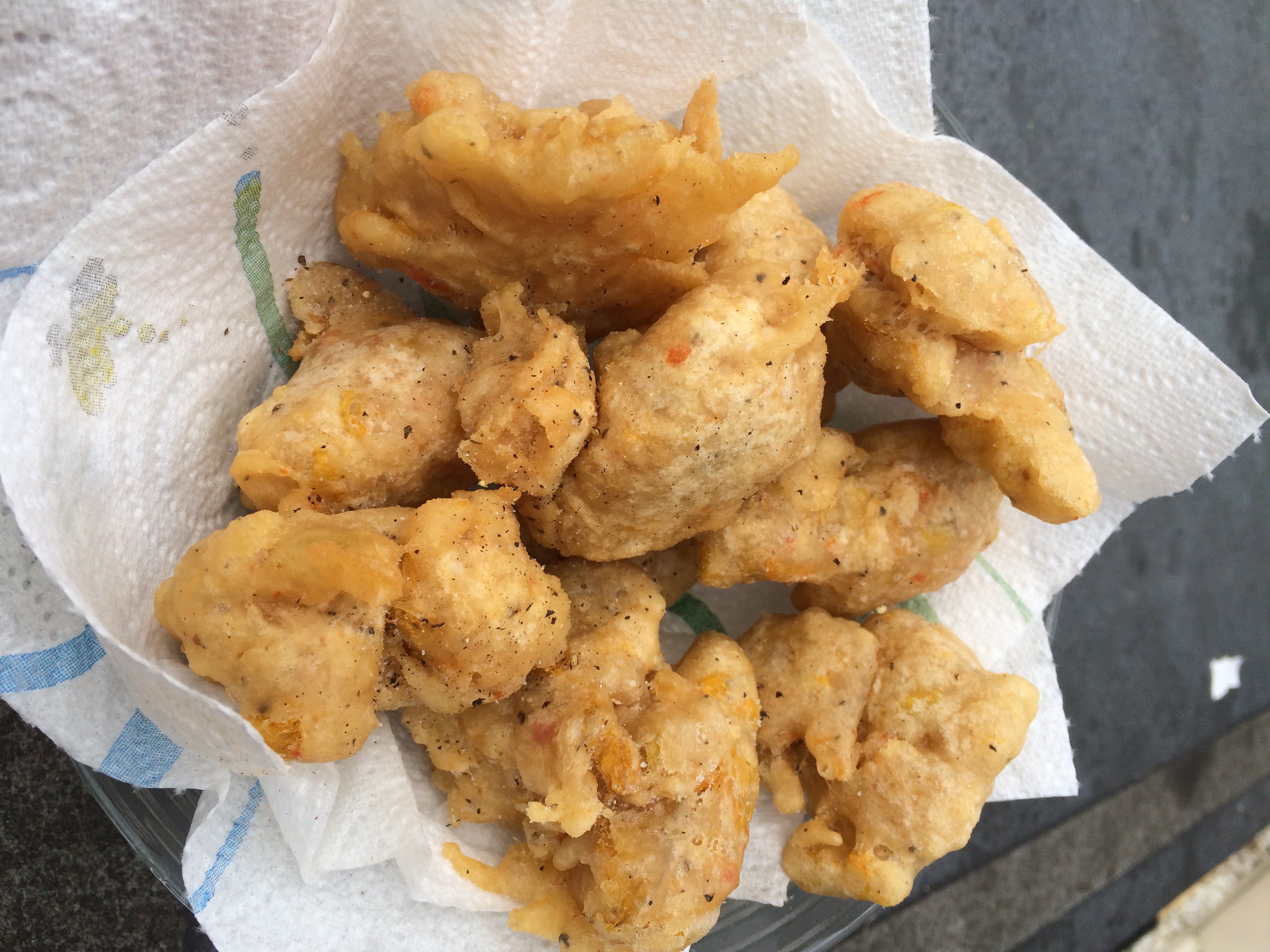
In March the village of Poggio San Lorenzo celebrates one of the typical dishes of the Sabina: frittello (pancake).

Apples, broccoli and battered courgette flowers, fried and ready to be enjoyed by all participants.

Festival of Frittello is a wonderful day to spend in this village in the province of Rieti, among food, music and local craft stalls.

powered by social2s
Rieti. Festival of Frittelli

In March, frittelli (pancakes) take to the streets in Sant’Elia, a fraction of Rieti, with the traditional Festival of Frittelli.

Desserts, savory, fruit or vegetables, fry everything on this day to learn about and appreciate one of the typical Sabina specialties.

powered by social2s
Sabaudia. Feast of Maria SS. Annunziata

Maria SS. Annunziata patron saint of Sabaudia is celebrated on March 25 in the church of the same name, with great religious celebrations.

An anniversary that involves the whole town in a festive atmosphere, which begins on the morning of Maria SS. Annunziata with the traditional mass in his honor,.

Then, the solemn procession through the streets of the village of the statue of the patron.

There are stalls and food stands for the occasion that dress the streets of the village of Sabaudia to the delight of adults and children.

powered by social2s
Cassino- Abbazia di Montecassino by Ferdinando Potenti

Cassino celebrates its patron Saint Benedict on March 21, with great religious celebrations that involve the entire ciociarian village and many local associations every year.

The Feast of the patron San Benedetto begins with the traditional mass in honor of the saint, inside the imposing cathedral of Cassino and continues with the procession of the statue of the saint.

During the event, a myriad of activities and shows are organized, both within the town and in the splendid setting of the Abbey of Montecassino, where local historical groups stage historical re-enactments in costumes and theatrical performances.

powered by social2s
Subiaco. Feast of Saint Benedict

The patron saint of Europe Saint Benedict is celebrated in Subiaco with great celebrations.

They begin on March 20 in the Sacro Speco, a place where he lived for 3 years, where the monks and abbot of the monastery come together in prayer to invoke the protection of Saint Benedict on the Roman village.

At the end of the solemn ceremony a procession is formed, opened by the municipal banner, which from the Sacro Speco reaches the Basilica of Sant 'Andrea, where the statue of the Saint is displayed.

The celebrations continue the following day with the traditional procession of the Saint's cart through the streets of the village of Subiaco.

The Benedictine Torch "Pro Europa Una", from Norcia and Cassino, joins each year the procession.

On the morning of 22 March the statue of Saint Benedict is brought back to the Sacro Speco, a gesture that marks the end of the festivities.

powered by social2s
Settimana Santa a Sezze by Alfredo Sanguigni

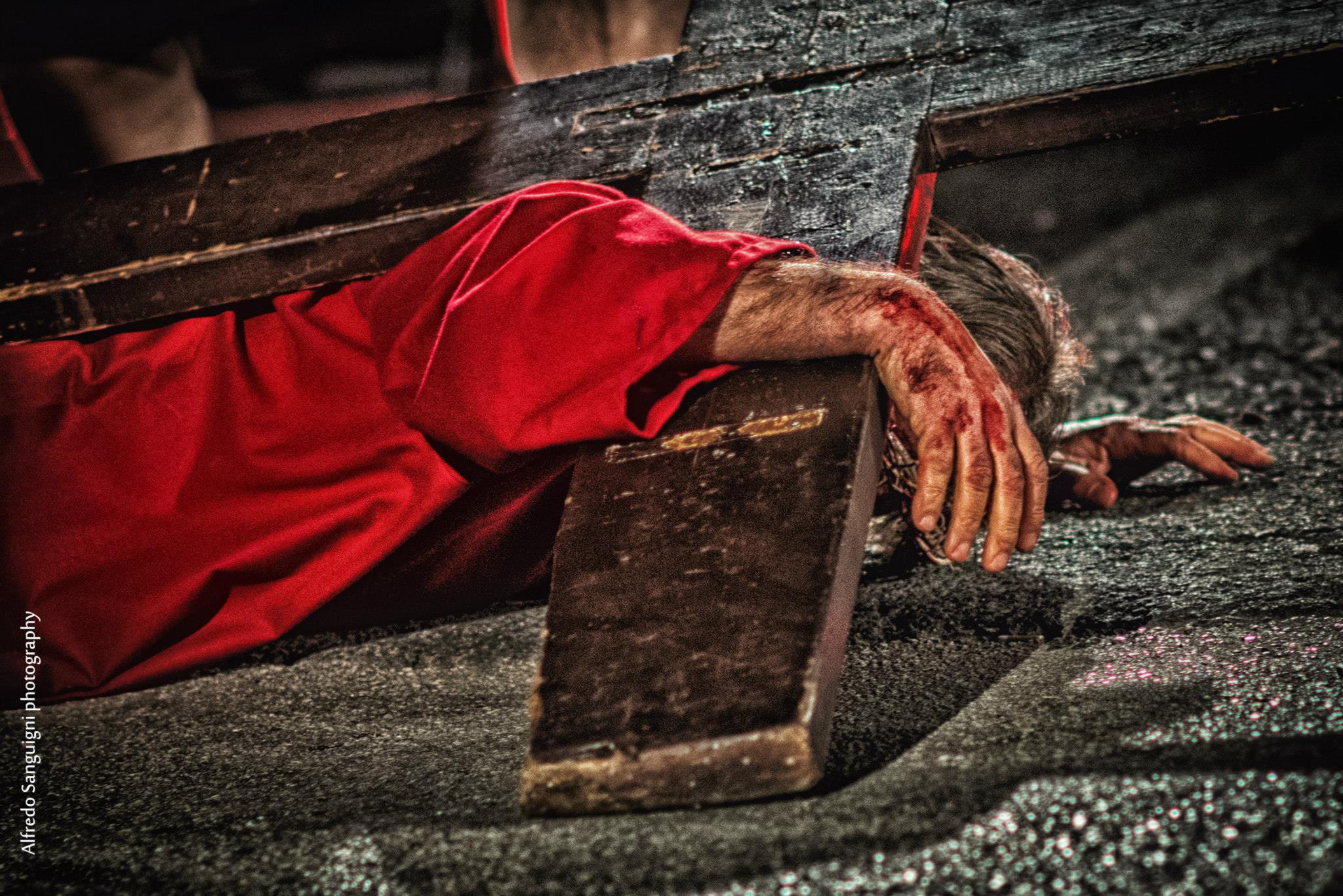
In Sezze the sacred representation of the Passion of Christ is a parade on the evening of Good Friday through the streets of the historic centre, renewing an ancient tradition.

In fact, every year the Sezze parade sees the participation of around 400-700 citizens as actors and extras, who give life to 42 Paintings of the Old and New Testament, with splendid costumes and armour.

The three Brotherhoods of the Buona Morte (Good Death), the Sacconi and the Rosary also take part in the procession.

The impressive Good Friday procession begins in the evening in Piazza San Pietro (St Peter Square), in the centre of Sezze and follows a ring throughout the village until it returns to the square.

The realization of the Sacred Representation is made possible thanks to the commitment of the members of the Association of the Passion of Christ of Sezze who preserve and pass on an ancient cultural tradition.

The Passion of Sezze has its origins in the Middle Ages when it was celebrated by religious brotherhoods.

What we see today parading through the streets of the town is the work of a revitalisation of the 1930s when, thanks to an interest in artistic renewal, the Representation achieved success in just a few years.

It was also presented in Rome in 1950 in Via Fori Imperiali crowning the Jubilee and the Sacred Representation of Sezze has since returned to parade in Rome on the occasion of the Holy Year and on other key occasions.

The Passion of Sezze also marched in Assisi, Latina, San Giovanni Rotondo, Montecassino and in recent years also abroad, on the occasion of the Jubilee Year of Saint James in Santiago de Compostela, and at the Shrine of Our Lady of Lourdes .

But it is in the narrow alleys and ways of the town of Sezze that the procession knows its most impressive moments.

powered by social2s
Tarquinia - Processione del Cristo Risorto by Fabrizio Latini

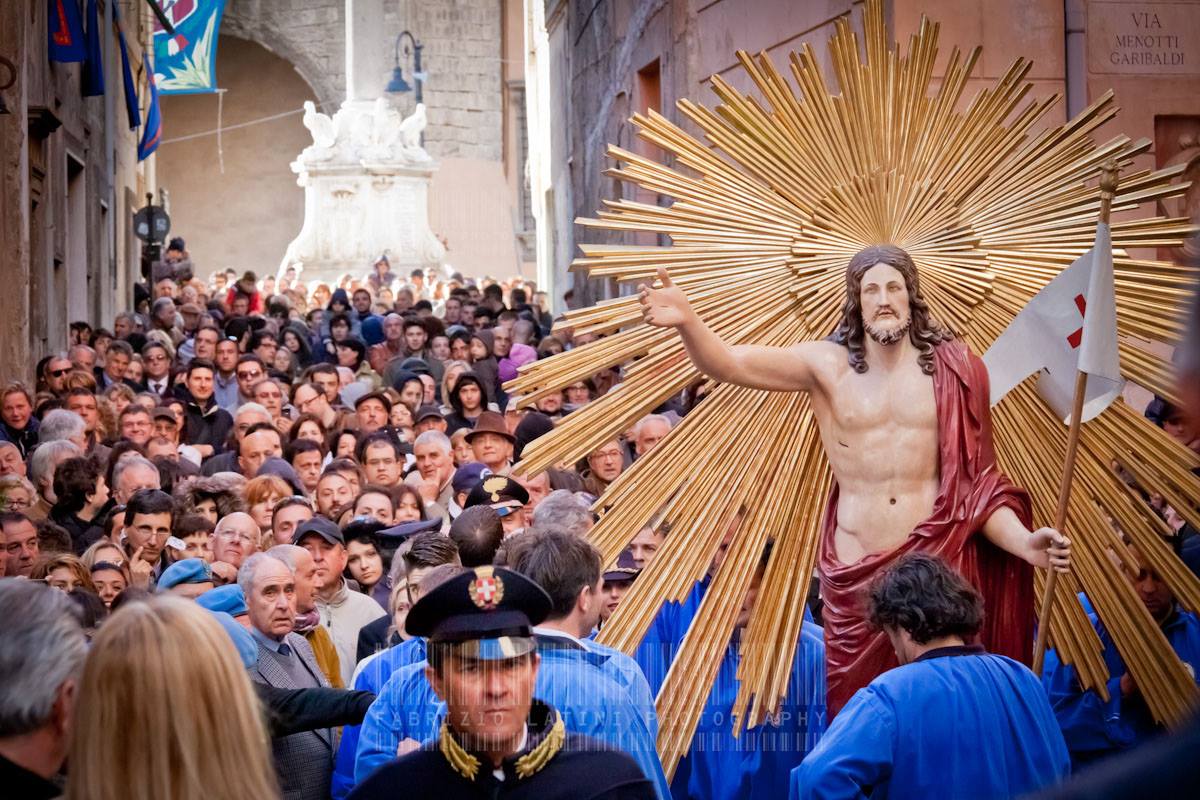
Tarquinia has chosen to celebrate Easter on the day of the Resurrection instead of the day of the Passion and therefore the feast takes on a joyful character with a procession of a great Risen Christ.

The Procession of the Risen Christ in Tarquinia celebrated on Easter Sunday is one of the most heartfelt festivals in the city and one of the traditional events of Tuscia.

It is also called the Procession of the Christ who Runs because, unlike the slow processions of the days of the Passion, it moves forward quickly and the music is a cheerful march.

The procession starts from the church of the Trinity (shaded Dante Alighieri) and runs along the streets of the historic centre to return to the church of the Trinity.

The large wooden statue of the Blessing Christ with its burial garments dates back to 1832 and a legend says that it was made by a person serving a life sentence. The sculptor would then be blinded by God to prevent him from making another equally beautiful one.

The statue is placed on a large procession carriage and carried on the shoulders by a confraternity between festive wings of people and with the music of the Band of Setaccioli.

The procession team opens with the riflemen with their guns loaded with blanks.

An original component of this procession is the cross bearers (one for each church in Tarquinia), the same as in the Friday procession (like the other extras), but now adorned with splendid garlands.

The bearers of the statue, as well as their colleagues with the trunks, must respect the pitch and beat of the musical march sung by the band.

The procession ends with the blessing of the crowd in Piazza Matteotti and finally with the deposition of the Christ inside the Church of San Giuseppe where he remains on display for the next forty days.

powered by social2s

Recommended

Subscribe to Newsletter

Discover a territory through the emotions of the people that have lived it.