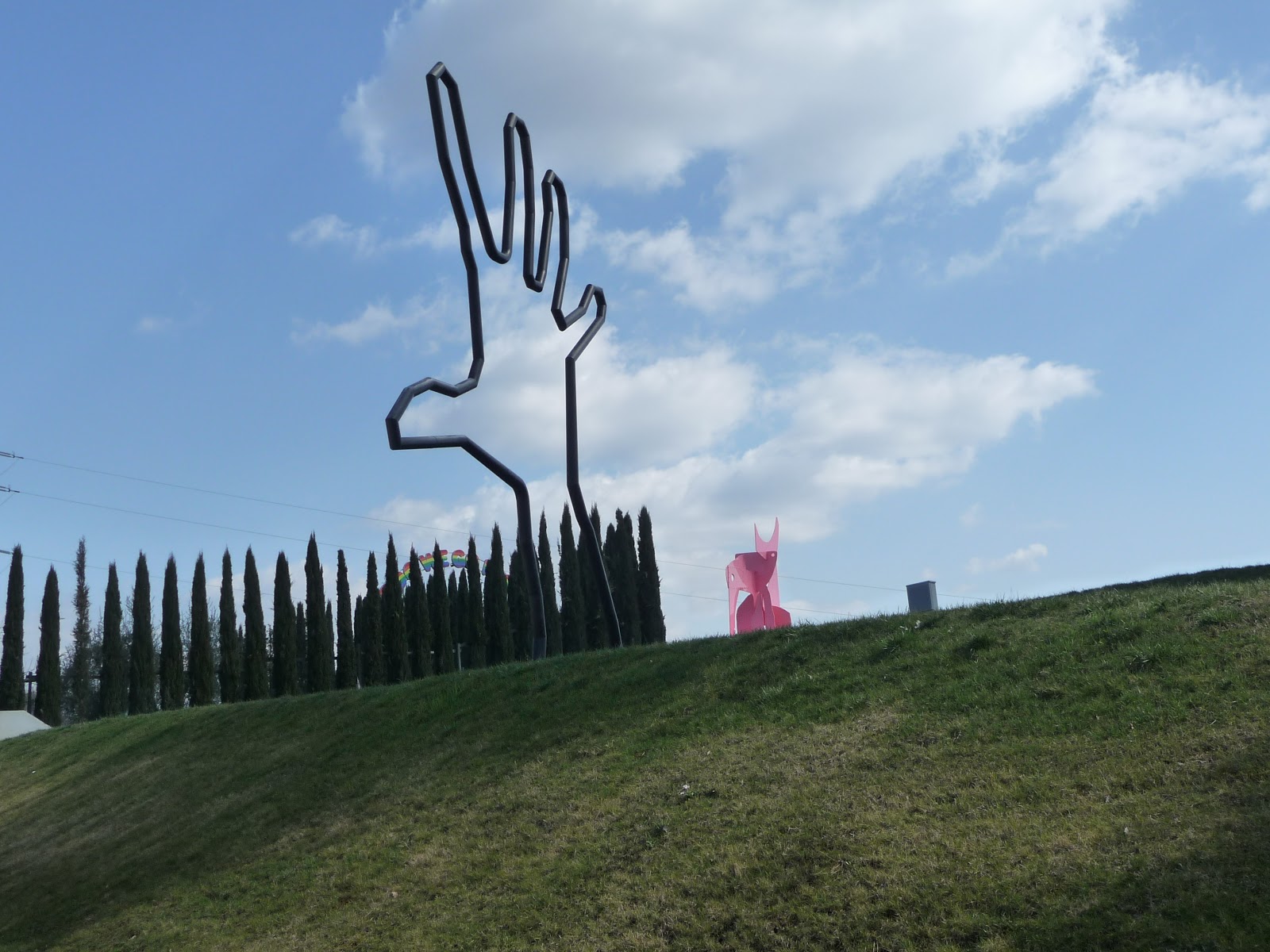
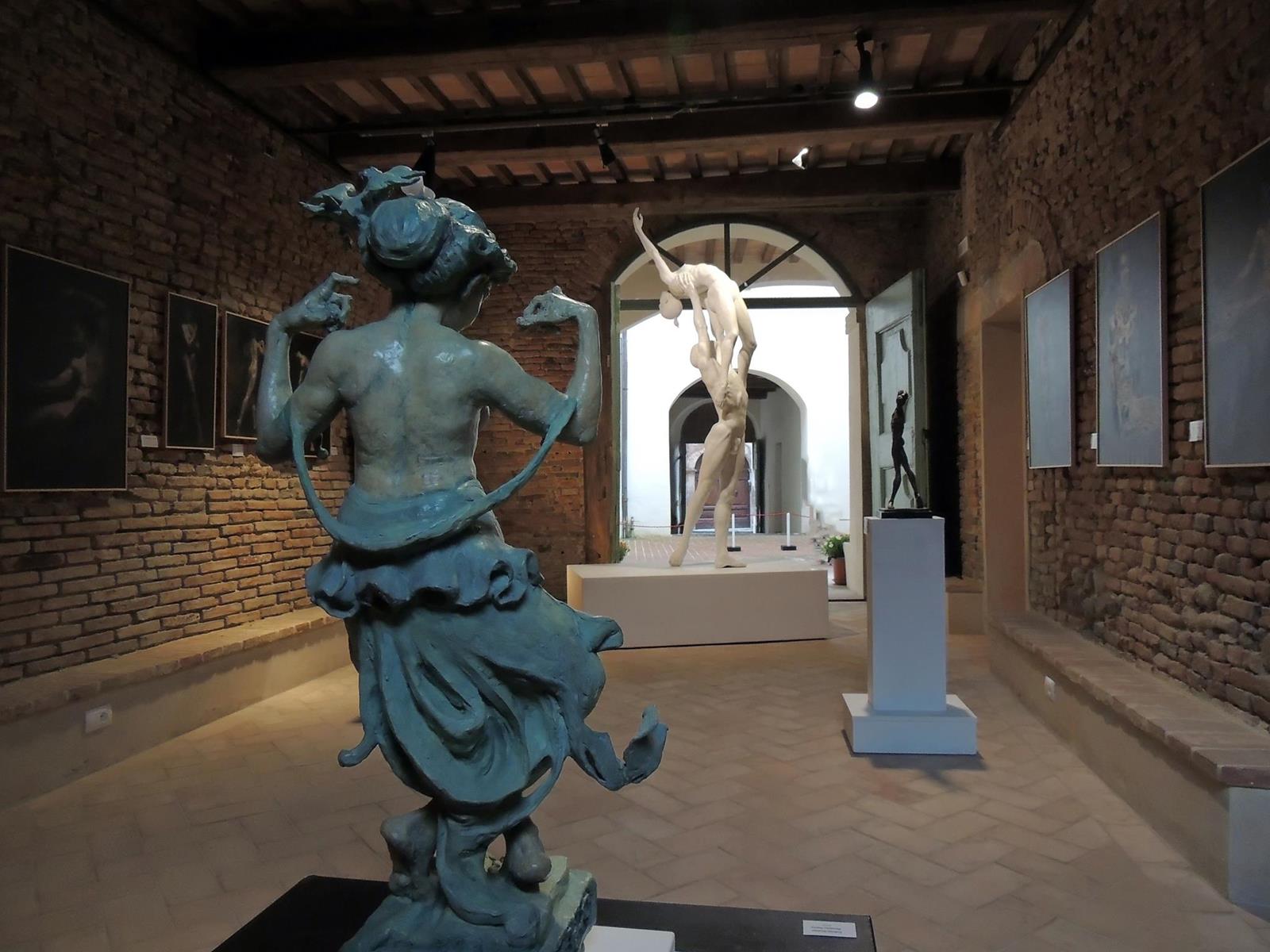
The museum of contemporary art Antonio Cannata in Militello Val di Catania was opened in 1985 and it is a collection of over 100 pieces of art.

Antonio Cannata is originally from Militello Val di Catania and is a contemporary painter (1945) of great standing.

He is one of the most important representatives of the Caosmic Art, a way to express contemplation and the deeper feeling of life which fluidly changes status.

powered by social2s
Militello in Val di Catania. Museum of Sacred Art “San Nicolò”

The Museum of Sacred Art “San Nicolò” is located in the crypts of the mother church and contains the treasures of 7 churches of Militello.

It was established in 1985, designed by the architect Giuseppe Pagnano and with the support of the parish community, thanks to the restoration of the crypts under the right transept of the Mother Church and the remains of the houses, which were located here before the earthquake of 1693.

There is exhibited a very rich collection of liturgical silver, paliotti, vestments and sacred furnishings, ex voto, ancient tombstones and sculptures, valuable paintings.

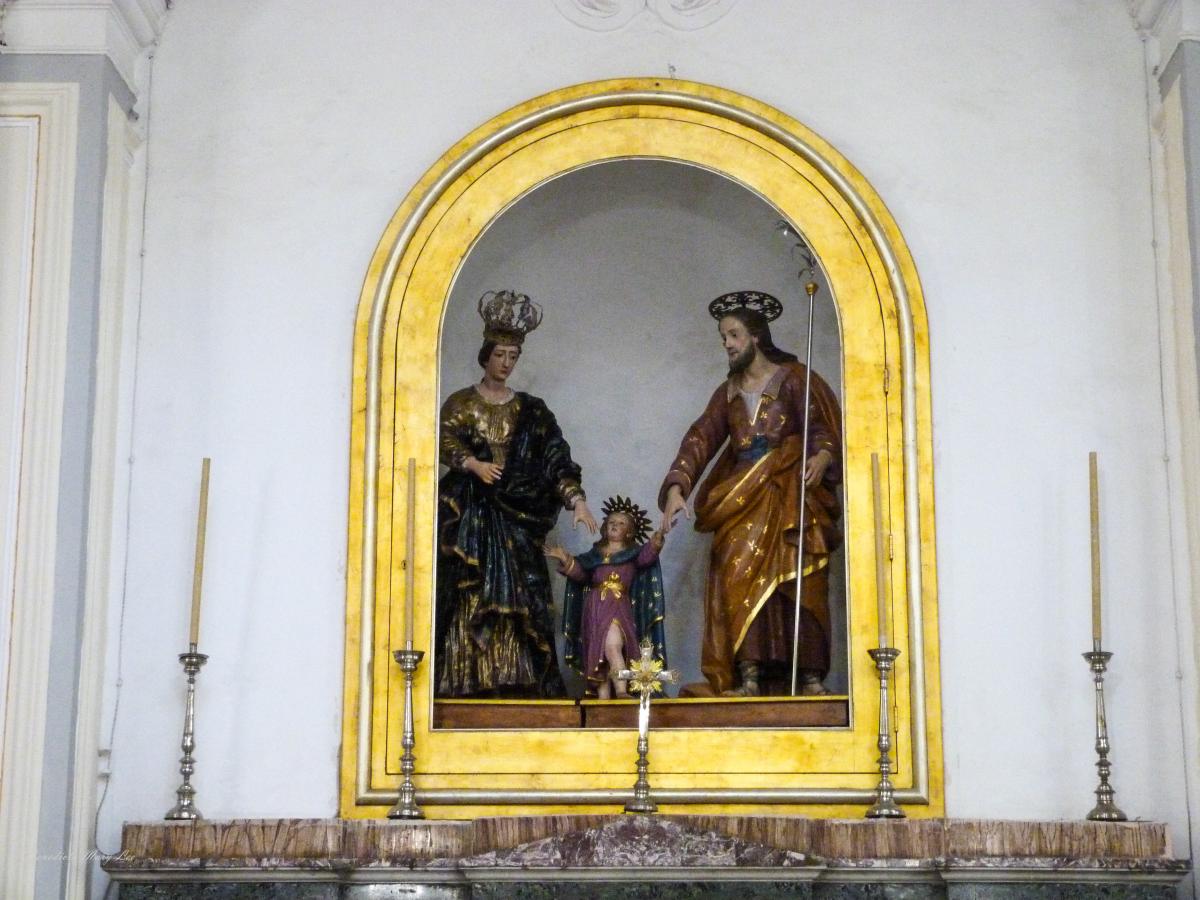
The treasures of the churches of Santa Maria della Catena, Calvario and Sant’Agata and that of the Mother Church of Palagonia stand out. Among the most significant sculptural works, we note the statues of Saint Lucy and Saint Nicholas in the chair, a work by Giovan Battista Baldanza (1620), and a beautiful Neapolitan sculpture group depicting the Holy Family (1748).

The art gallery houses many paintings, including the altarpiece of the Annunciation by Francesco Frazzetto (1555), the valuable Attack on San Carlo Borromeo by the Tuscan Filippo Paladini (1612) and an Ecstasy of St. Francis attributed to him.

powered by social2s
Militello in Val di Catania. Treasure of Santa Maria della Stella 

The Treasure of Santa Maria della Stella is located in the Church of Santa Maria della Stella in Militello in Val di Catania, kept in a sacred chapel enclosed by three keys.

The statue of the Madonna and its processional fercolo, are safely placed here since 1755 at the behest of Prince Ercole Branciforti.

In addition to gold and liturgical silver and sacred vestments, the treasure preserves ten devotional bands, embellished with a total of 587 ex-voto jewels donated to the Madonna della Stella by the faithful and placed on the fercolo during the procession through the city, during the public holiday on 8 September.

The treasure also includes numerous sculptures and bas-reliefs from the 14th and 16th centuries, preserved in the sacristy, but also altar frontals, sculptures and paintings.

Among the sculptures there is the Portrait of Niccolò Speciale (1471), commissioned by the daughter of the Viceroy Eleonora to the great Dalmatian sculptor Francesco Laurana.

Among the paintings, we note a splendid altarpiece of San Pietro in Cattedra, from the beginning of the fifteenth century, attributed to the famous painter Antonello da Messina (1430ca.- 1479).

powered by social2s
Montefiascone. Museum of Architecture of Antonio da Sangallo the Younger

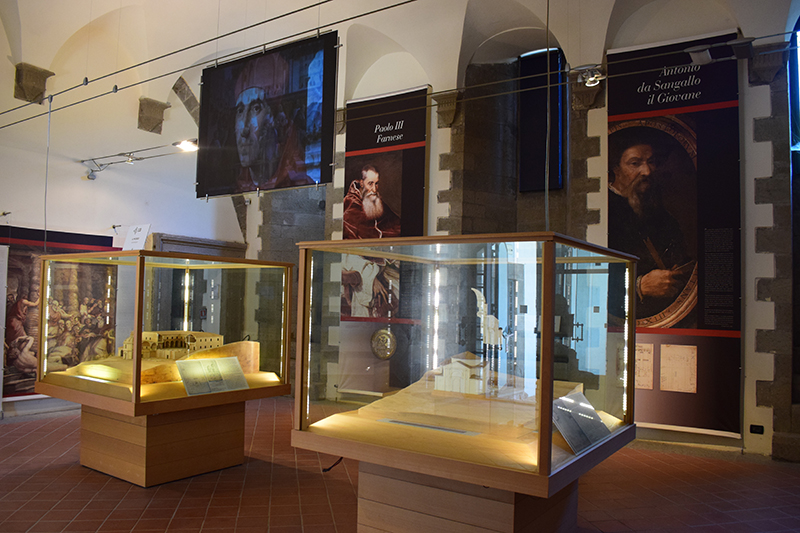
The Museum of Architecture of Antonio da Sangallo the Younger is located inside the fortress at the highest point of Montefiascone and is dedicated to the great Renaissance architect Antonio Sangallo the Younger who worked extensively in this area.

In the rooms on the ground floor there are many wooden reconstructions of the architect's best works. These reconstructions recall the first work of the great architect who came from a family of artists and wood workers.

Antonio Sangallo is famous above all for the military architecture and the fortifications that have been commissioned by great popes such as the Citadel of Ancona, Forte Michelangelo of Civitavecchia, the Rocca Paolina of Perugia, the Fortezza da Basso of Florence and also for the famous Pozzo di Saint Patrick in Orvieto.

Among the curiosities of the museum, there are coins of the mint of Castro created by Sangallo.

powered by social2s

The Diocesan Museum of Sermoneta contains paintings and sacred furnishings that come from local churches no longer in use and is divided into two rooms: the first is the Chapel of the Three Kings, while the second is the Oratory of the Confraternity of the Knights built in 1499.

In the first room, among the other paintings there is the famous altarpiece of "San Michele Arcangelo who demolishes the demon" by Francesco da Castello, which dates back to 1590 and the table with "The Coronation of the Virgin" by Girolamo Siciolante made in 1570.

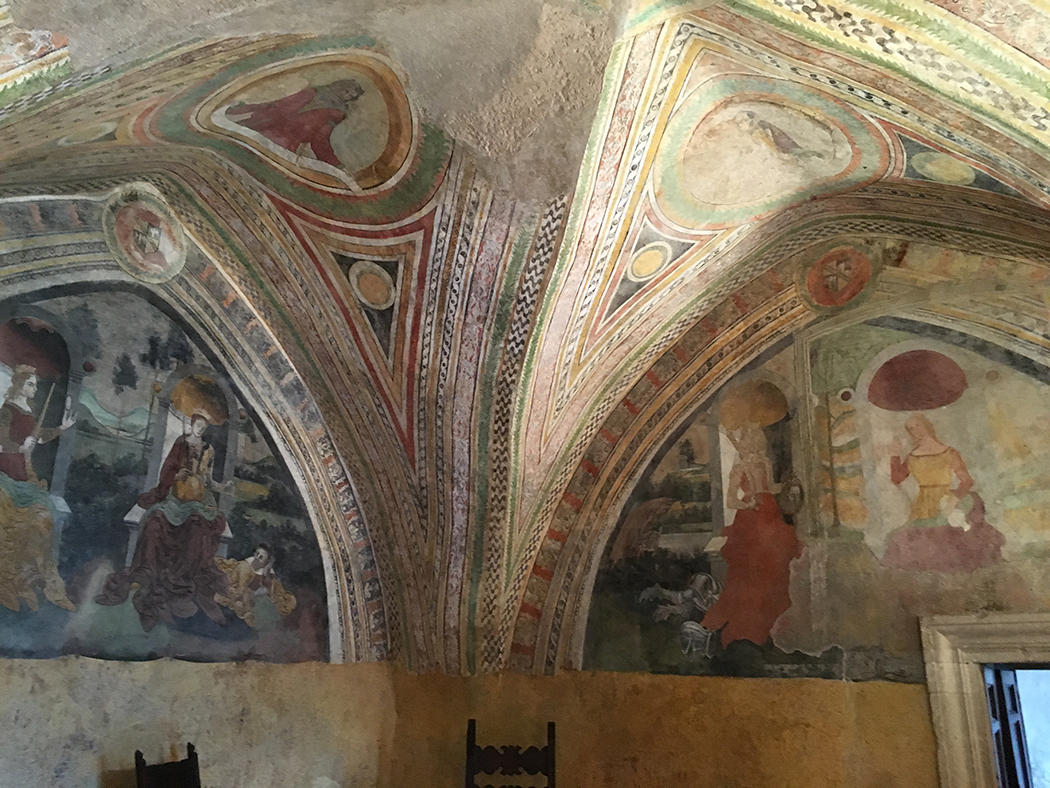
In the oratory of the Battenti you can still see three original scourges and numerous frescoes that describe the different tortures to which the members of the confraternity were subjected. Perhaps the frescoes were made around 1625 by Alessandro Melelli.

In any case, the frescoes were restored and modified in 1770 by Domenico Fiorentini.

In this room, in addition to the two paintings "Madonna with Child and Saints" by Odoardo Vicinelli of the eighteenth century and "The Madonna of the Rosary and the Saints" by Giovanni Domenico Fiorentini, one can admire some sacred furnishing items such as goblets and reliquaries and a dress in silk damask and blue cotton.

Important pieces of the collection are two fifteenth-century liturgical books with parchment and leather, bronze and semi-precious stone pages.

powered by social2s
Città della Pieve. The Kossuth Space

"Spazio Kossuth", the Kossuth Space in Città della Pieve is dedicated to the master sculptor Wolfgang Alexander Kossuth, one of the greatest sculptors of the European twentieth century.

It was inaugurated in 2015 by Vittorio Sgarbi and is located inside the garages of the Palazzo del Vescovato.

powered by social2s

Subscribe to Newsletter

Discover a territory through the emotions of the people that have lived it.