


For many years, Lazio was represented on wine lists by just a few wineries, gathered on a single page. The wines produced in our region were all sold at tourist stalls in Rome as table wines; the wine was essentially sold in bulk before even being bottled.
Let's just say that Lazio producers didn't have the need to age and therefore didn't have the ability to choose which wine to produce based on the specific characteristics of their area. Then everything changed about twenty years ago.
I can tell you our story as producers of Cesanese del Piglio. Thanks to Antonio Coletti Conti, who found himself a producer against his will after his father's death, Cesanese began winning awards.
This sparked a small competition to bottle and age the wine so that each winery had its own recognizable identity. Then, about ten years ago, new wineries were founded by entrepreneurs who, tired of drinking wines from other regions, wanted to demonstrate that our territories are also rich in native grape varieties with extraordinary aromas. It can be said that a new chapter in Lazio's winemaking history began.
Today, Lazio is characterized by a very young and enthusiastic entrepreneurial community, like my daughter Maria of Donna Vittori Borgo Agricolo (www.donnavittori.com), who have opened their wineries to wine tourism and a youthful approach to outdoor living.
But above all, today, Lazio is also ARSIAL, which has changed and is helping to grow the image of wines with the new presidency of Massimiliano Raffa and the regional councilor Giancarlo Righini. While the presence of the Lazio pavilion at major trade fairs creates a vibrant and professional image of our production system (and attracts the curiosity of sommeliers and buyers), the meetings between producers at Crea in Velletri create a fruitful network of cultural exchanges.
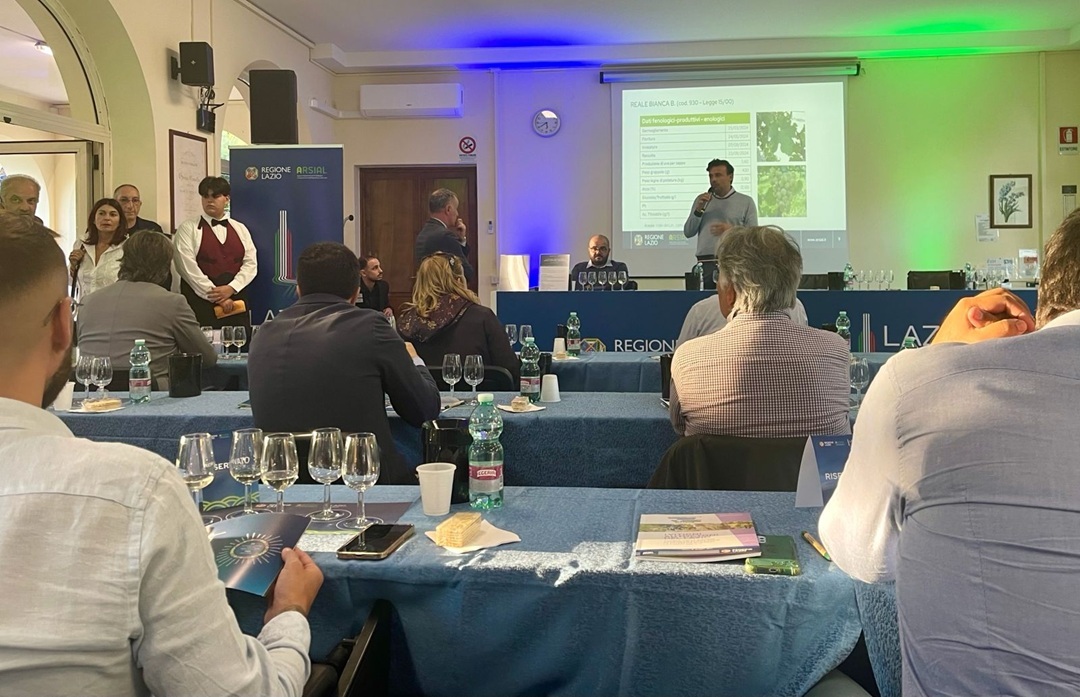
For this reason, the meeting between businesses, winemakers, institutions, and the scientific community on October 10th in Velletri, "The Lazio of the Wine of the Future – Research, Territory, Innovation," was a resounding success, and all the winemakers have requested that these meetings be repeated at least every six months.
Massimiliano Raffa illustrated the agency's commitment to promoting viticulture: "Over the past two years, Arsial has launched 19 experimental projects involving over 50 grape varieties, both native and resistant, in collaboration with CREA, CNR, the University of Tuscia, and Tor Vergata."
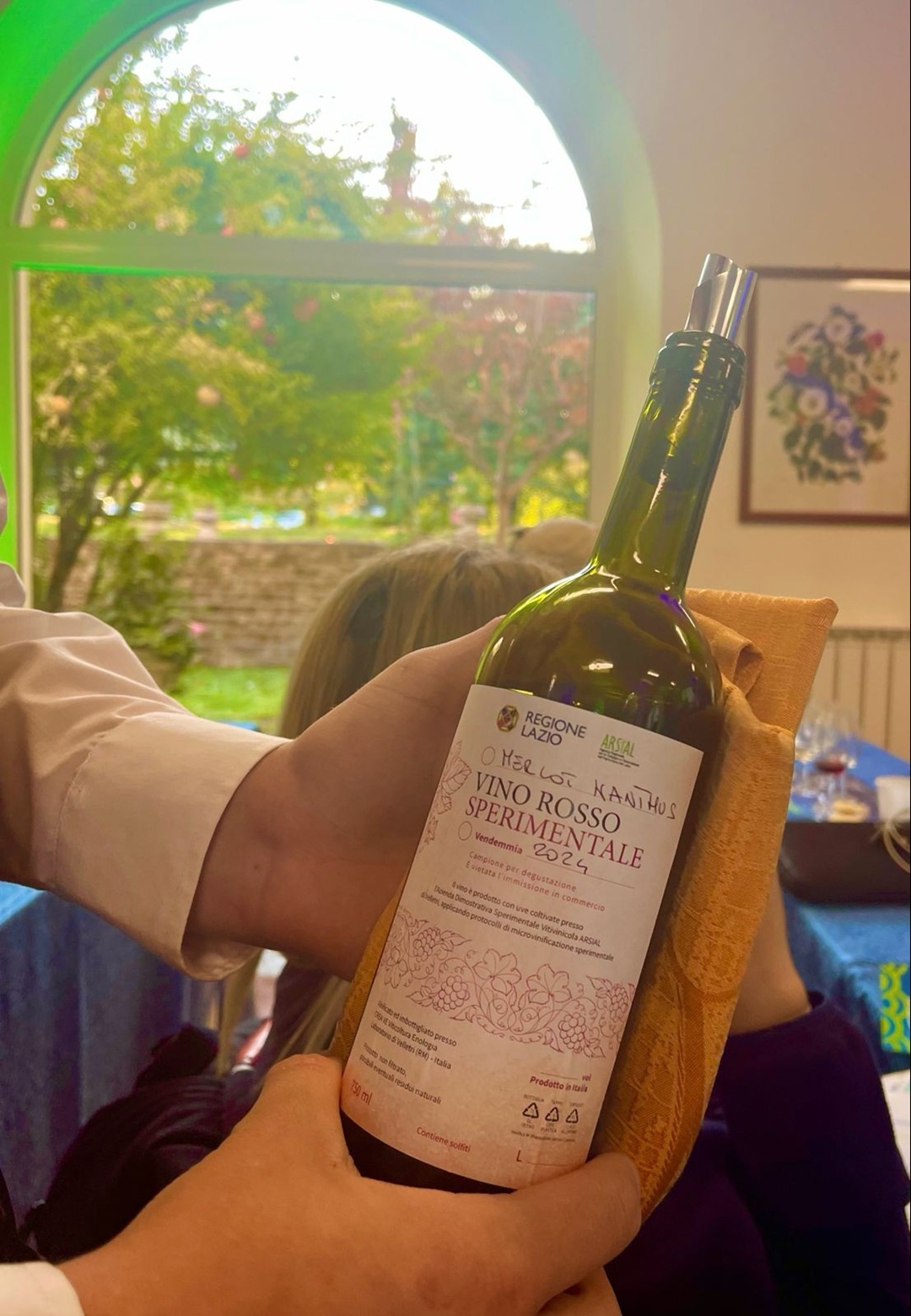
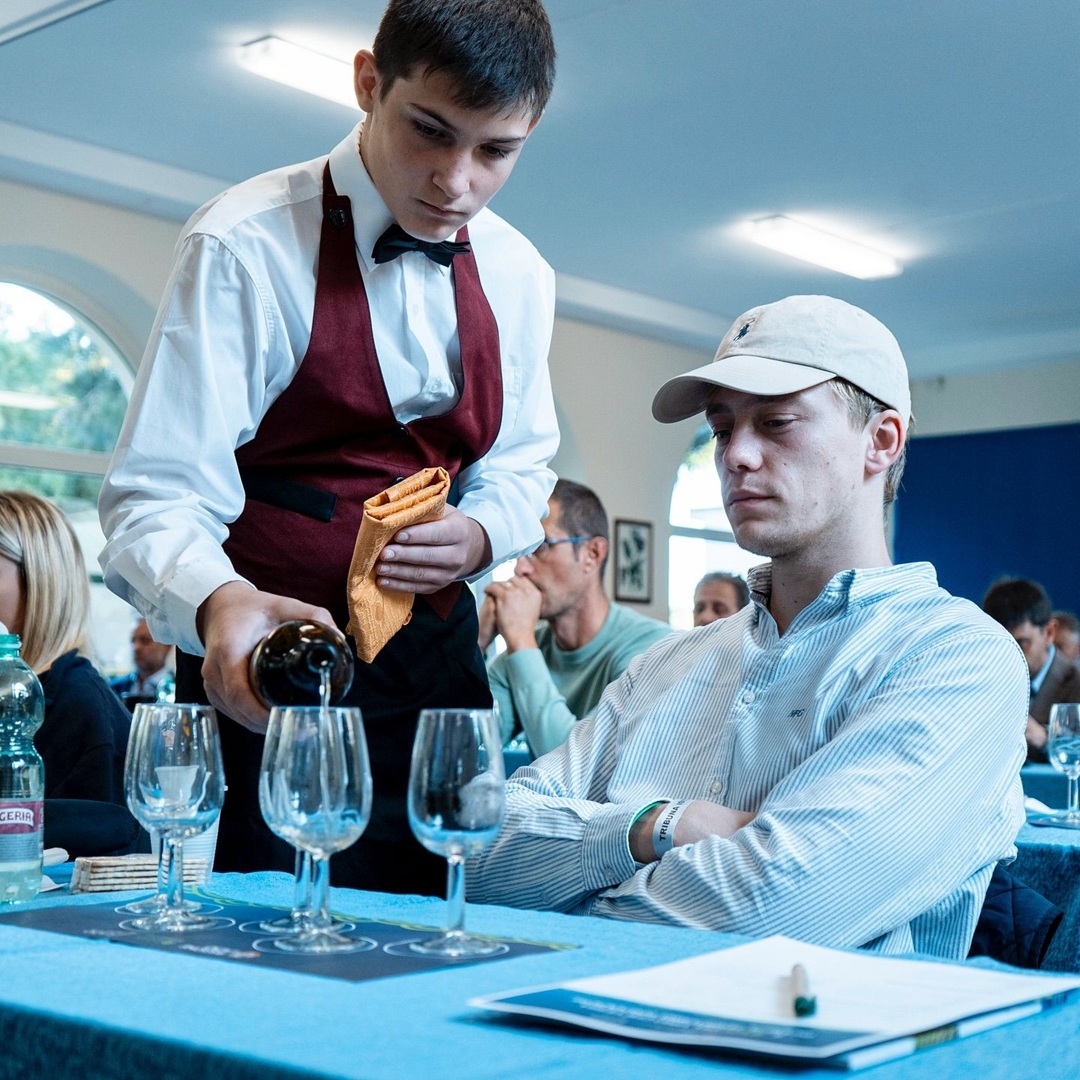
The day began with an interesting tasting masterclass dedicated to Arsial's experimental wines, the result of microvinifications, from native grape varieties such as Reale Bianca, Pampanaro, Maturano Nero, and Uva Giulia, and resistant varieties such as Soreli and Merlot Kanthus.
During the conference, moderated by journalist Rocco Tolfa (RAI), with winemakers Pier Paolo Chiasso, Vincenzo Mercurio, and Angelo Giovannini, topics related to the image of Lazio wines and how to communicate the new trends among young drinkers were discussed. Indeed, while wine consumption has declined worldwide, young people have changed tastes and prefer different types of fresher wines with lower alcohol content. Above all, they seek to get to know the artisans who make them and favor natural winemaking methods.
I can't tell you how happy my daughter was when she managed to access the RAISIN app (https://www.raisin.digital/en/), a popular app among young people in Northern Europe and dedicated to natural wine tourism.
Giancarlo Righini's conclusions were a fitting prelude to the convivial dinner featuring locally sourced, zero-mile products: "Viticulture is part of our territorial and cultural identity, and investing in research and innovation means protecting its future. With ARSIAL, we began promoting native grape varieties thanks to an experiment at CREA in Velletri, but also to a new way of teaming up with our producers.
Events like this are essential for building connections between the scientific community, producers, and institutions, and for strengthening awareness of the value the wine sector represents for the regional economy."
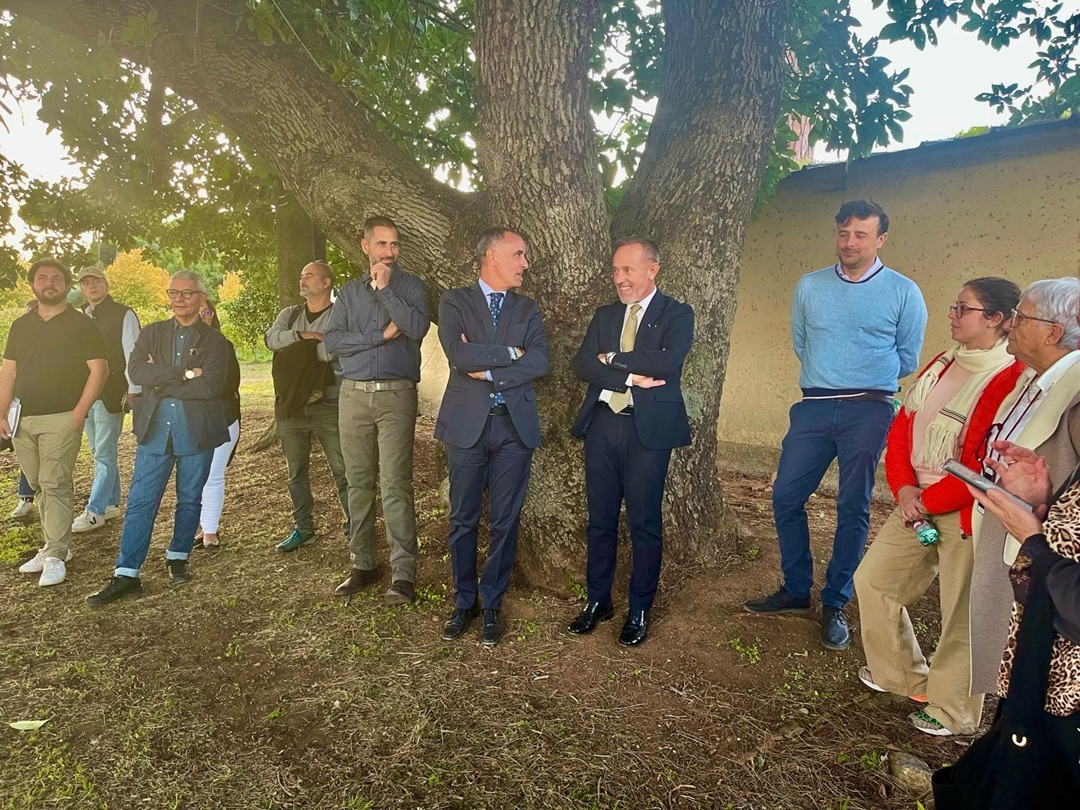
The dinner, featuring a large brazier of roasted chestnuts, was a time for photos, and then each of us wandered around to meet and greet all the friends and colleagues with whom we share the joys and sorrows of viticulture.


Follow us