


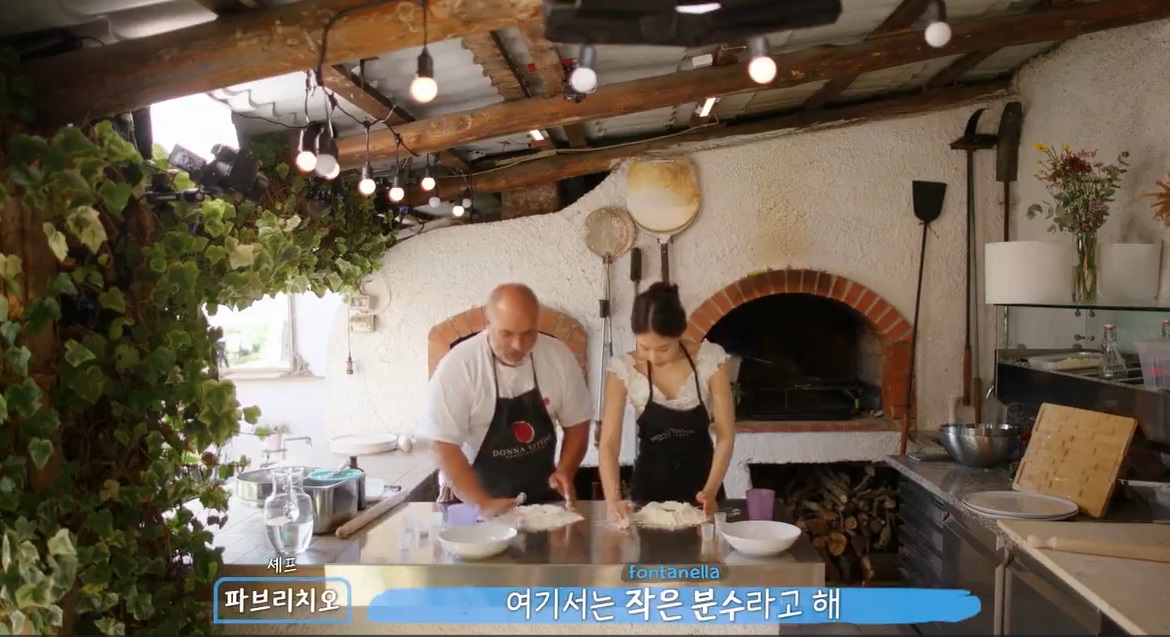
The most unusual thing that has happened to me since the episode of ‘My name is Maria’ with Jennie Kim aired was the window onto the world of young Asians.
For a few weeks I felt like a star and was inundated with hundreds of messages, many thanked me for how I took care of Jennie like a mother (and I really felt I had to protect this beautiful and very young woman). But many others started asking me questions about our Italian lifestyle, so different from how they had seen it represented abroad.
It’s a bit like when we are used to eating Chinese cuisine in Italian restaurants and then we find ourselves eating it in a restaurant in Beijing: we almost struggle to recognize the flavors and rarely find the dishes we usually eat in Italy.
So abroad they know pizza, ‘spaghetti bolognaise’, ‘carbonara’ or ‘fettuccine all’Alfredo’ that are unknown to us or are made in a totally different way.
A boy from Australia told me he wanted to come and visit Italy to taste the real flavours he had seen in the episodes: “we are used to having pizzas that are stuffed with lots of products, and we have seen that you like simple things. I want to try these sensations”.
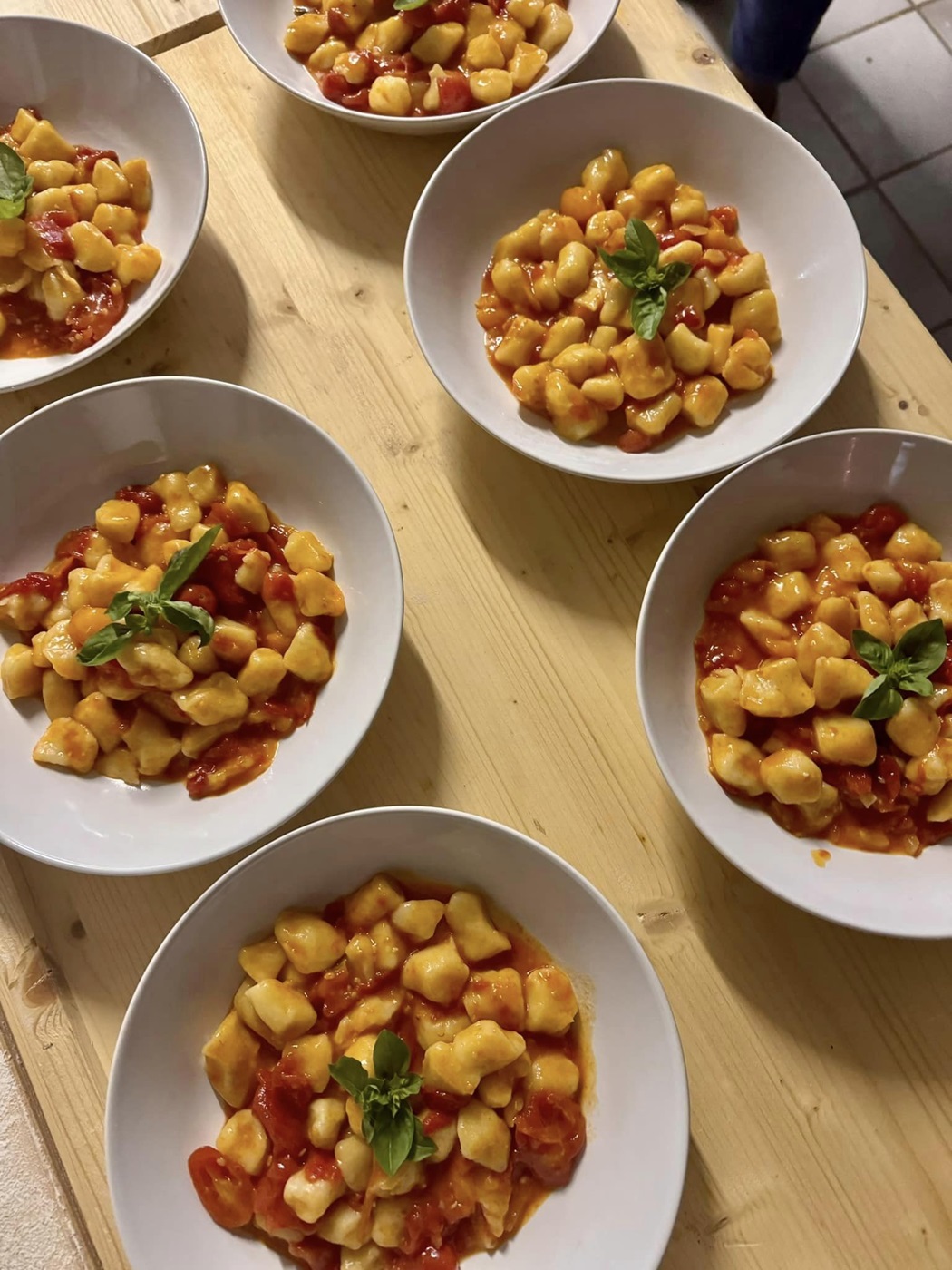
I think that what distinguishes Italian cuisine is precisely the exaltation of individual products that however need to be truly and naturally of excellent quality. We Italians are used to travelling even tens of kilometres to try a certain cheese that is made only by animals that graze in certain specific meadows.
We are able to distinguish the flavours of products that come from one field and another and to enhance many different varieties.
For example, how many of you know that we have around 5,000 varieties of apples? Now if we go to a supermarket we always find about ten varieties (the same everywhere), but if we go to farmers markets or agritourism we can find many other varieties that are often much tastier (but perhaps uglier in appearance).
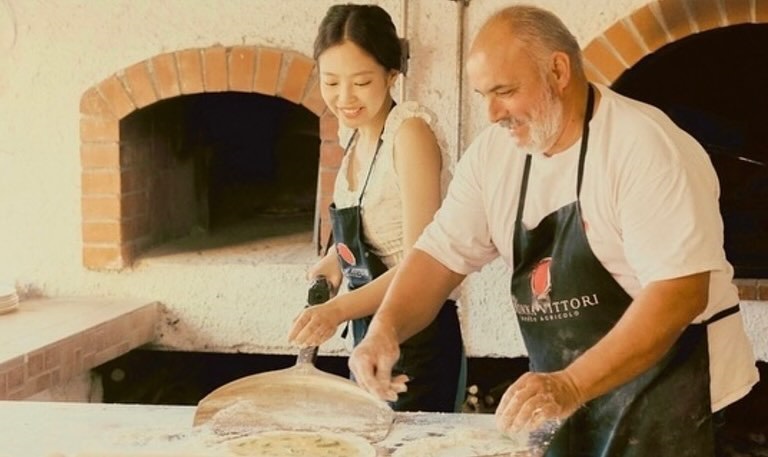
Or what about the approximately 2,000 varieties of ancient grains that were grown in Italy? Ancient grains have a lower amount of gluten and are much richer in vitamins. But above all, each grain has its own different flavor. This is why at Donna Vittori (www.donnavittori.com) we decided to grow 3 types of wheat (Cappelli durum wheat, Autonomia B soft wheat and spelt) and use them for our pasta or the pizza making experiences that Jennie also had in the last episode.
If you come to Italy, you will find that we are much more attracted to a slice of bread made with ancient grains, topped with freshly picked wild cherry tomatoes, basil, salt and a drizzle of EVO oil from the local cultivar. Lunches and even many village festivals are dedicated to this combination of aromas and flavors, which in each town is called differently (and we wrote an article that you can read here https://www.discoverplaces.travel/en/stories/food-wine/recipes/everyones-crazy-about-bread-and-tomatoes-with-gin-and-tonic).
In Italy “Less is more!”, we are waiting for you.



Follow us