Torri in Sabina


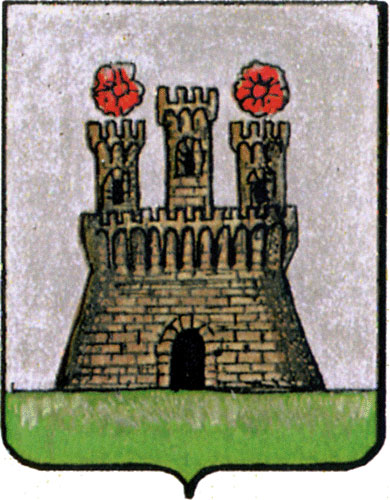
Coat of arms of Torri in Sabina
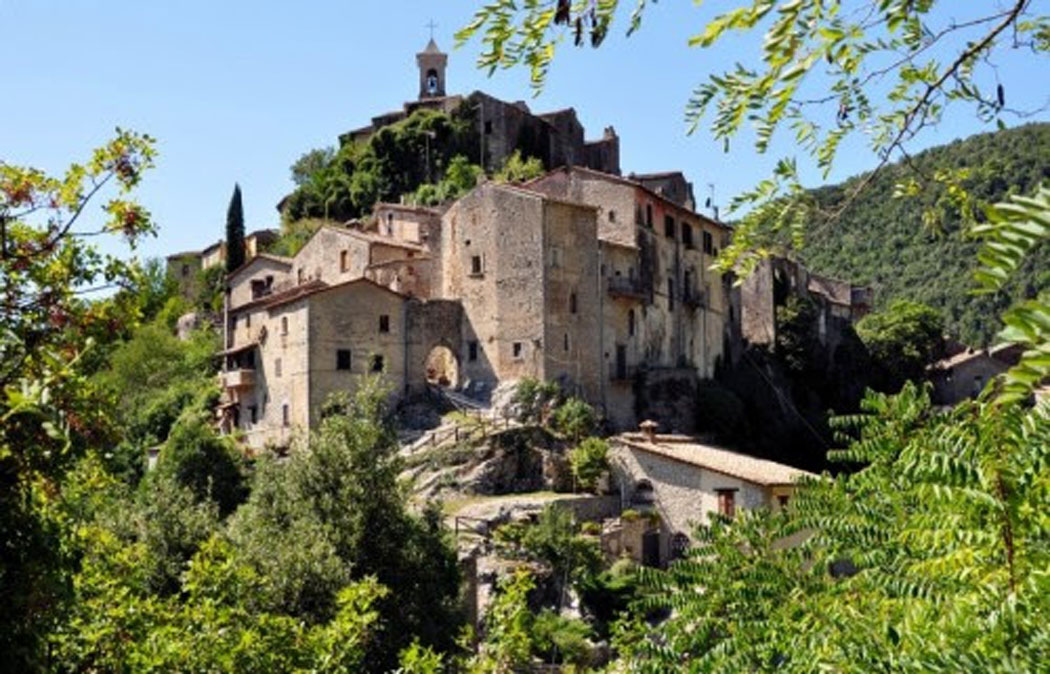
The area of Torri in Sabina has been inhabited since Roman times with the establishment of the Forum Novum market town. After a period of invasions, the inhabitants took refuge in fortresses built on the high ground.

In the Middle Ages they formed the villages around the ‘castra’ and Torri in Sabina was part of the 'Castra specialia' of the Church because of its strategic position.

In 1368 it was given by Pope Urban V to the Orsini family, and in 1698 it came under the direct control of the Holy See.
powered by social2s

Typical products 

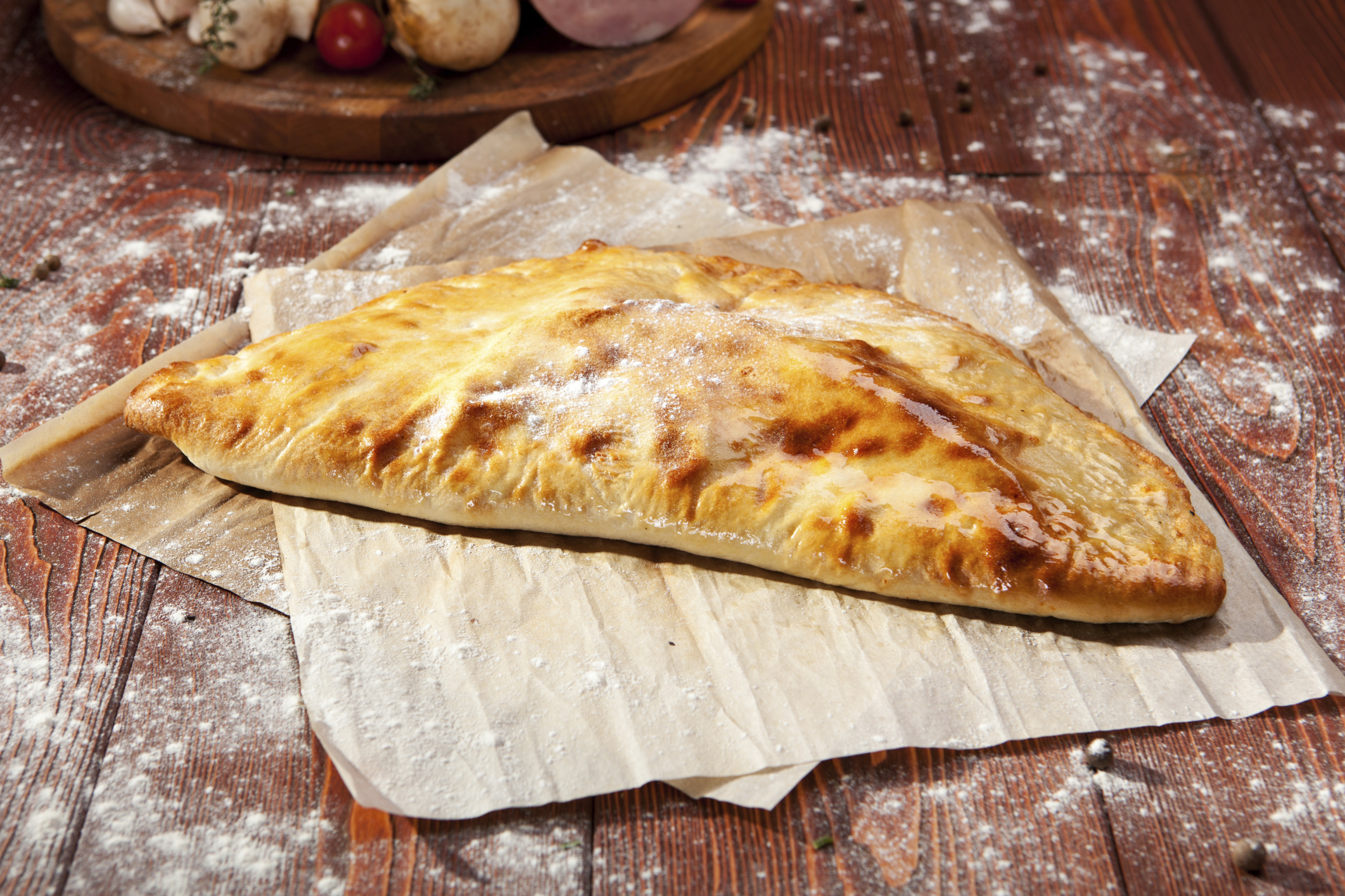
The "Falloni" are rolled pizzas stuffed with vegetables (chard, chicory, or courgettes). In other towns they are called 'calzoni’ (‘trousers'). T hey have a...

Archeotourism 

The villages of Rocchettine and Rocchette are twin settlements on two spurs of the Sabine hills in Torri in Sabina. They are on the opposite sides of the...
Religious Celebrations 

The floral display is held every year on the occasion of the feast of Corpus Christi, the first Sunday in June. The streets of Torri in Sabina are covered...

During the holy week of Easter the sacred representation is held of the Via Crucis in costume that involves most of the population of Torri in Sabina.

Churches & Places of Worship 

Santa Maria in Vescovio, cathedral of the Sabines in Torri in Sabina, was a bishopric until 1495. The church is Romanesque and dates from the twelfth...

The church of San Giovanni Battista was erected in the mid-sixteenth century in Torri in Sabina. Its simple façade is flanked by an ornate bell tower with...
Archaeological areas 

Forum Novum in Torri in Sabina was one of the most important roman cities in the Sabina province, north east of Rome. The Archaeological Area is next to the...
Ethnographic museums 

In March, the town of Torri in Sabina opens to the public the rooms of its "Permanent Exhibition of Arts and Crafts and Rural Civilization" set up at the...

Town Ambassador
Discover your italian Roots


Subscribe to Newsletter

Discover a territory through the emotions of the people that have lived it.