Picinisco


Coat of arms of Picinisco

The Picinisco origins are very old and there are traces of polygonal (cyclopean) walls. The area was inhabited by Samnites and later conquered by the Romans. It is assumed the existence of an already established village survived the Germanic and Saracen invasions.

Its history has always been linked to that of the neighbouring Atina since the Samnite period. In the Middle Ages the population left the valley and looked for shelter in the hills to escape the Barbarian invasions. In 1150 it is mentioned in a document of King Ruggero delimiting the boundaries of Atina.

Picinisco was involved in the struggles between the kings of the south and the papacy. The Angevin granted it to the various lords of the county of Alvito who kept it as a fiefdom until 1806. Due to its border locationit  has experienced banditry in various eras.

In the nineteenth century there was an attempt to exploit the iron ore veins in the Canneto valley but the attempt failed due to for the poor quality of the ore. After the unification of Italy, much of the population emigrated in particular to England.

In World War II, the town was bombed and subjected to harassment and a further strong emigration depopulated the country.

powered by social2s

Typical products 

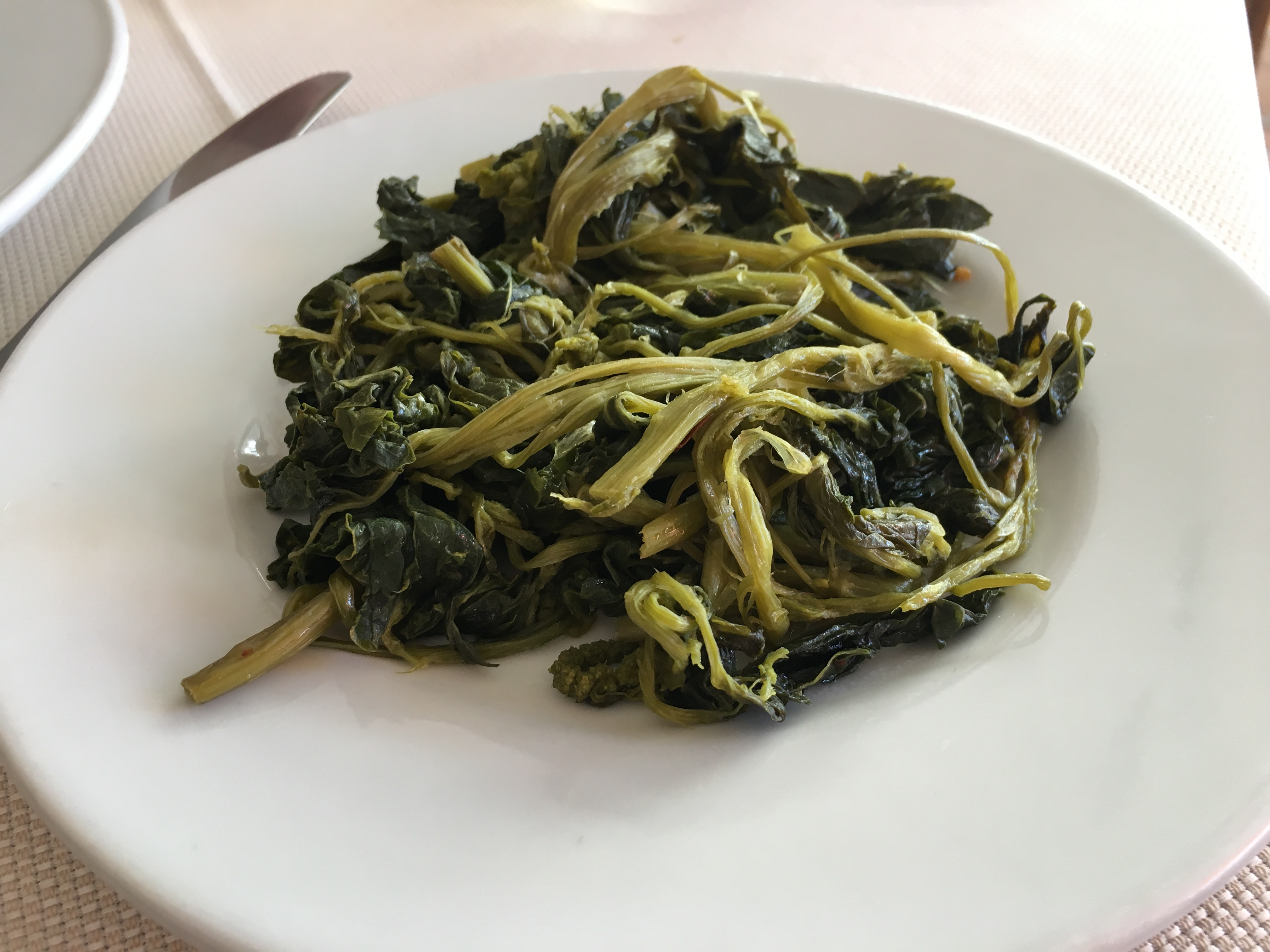
The orapi are also known as mountain spinach and are harvested and cultivated in the mountains of the Abruzzo Lazio and Molise National Park and in particular...

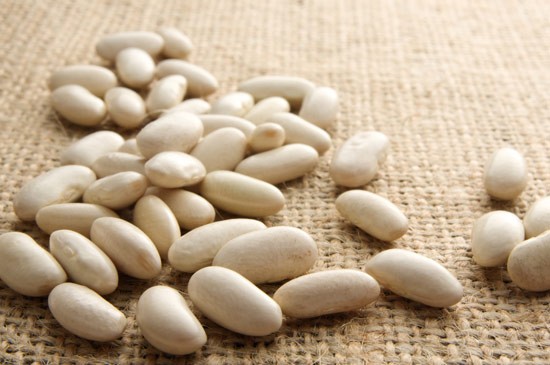
The first news of the Cannellino Bean of Atina DOP (fagiolo cannellino di Atina) in Comino Valley  and Picinisco date back to 1811 and 1853 documents. We...
Typical Wines 

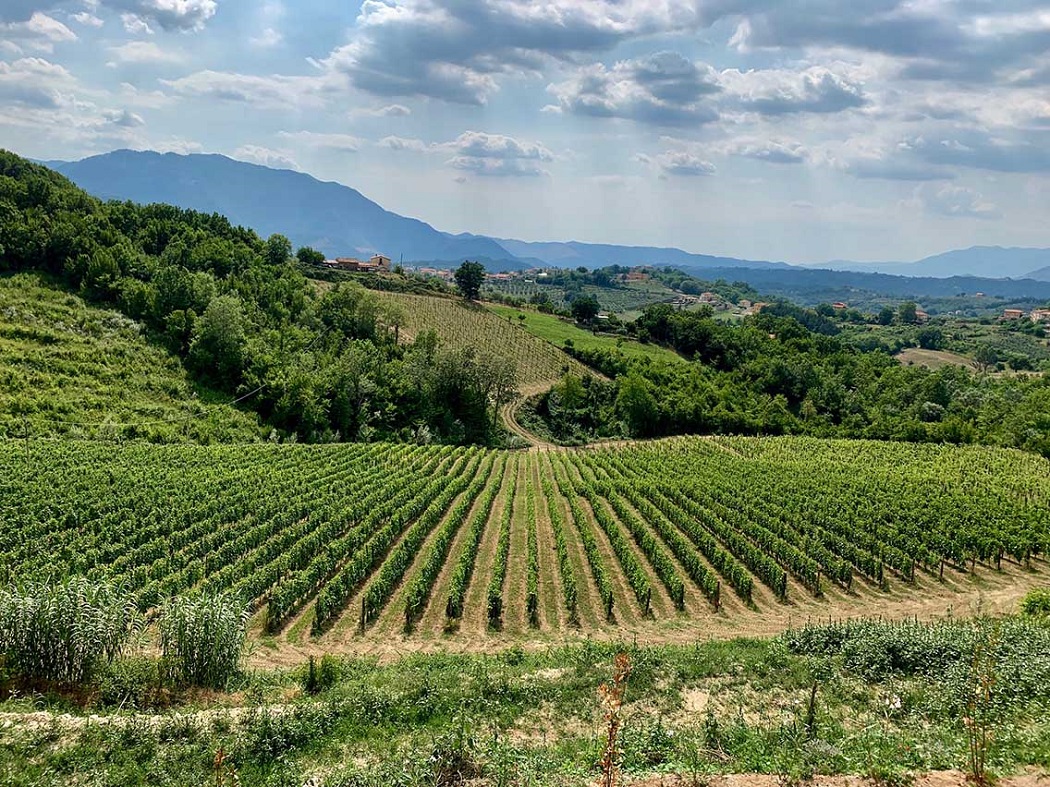
It may seem strange that an international grape such as Cabernet has become famous in Val Comino, in the southern part of the Lazio region, but the...

Parks and Gardens 

The territory of Picinisco is partly included in the Abruzzo, Lazio and Molise National Park. the park is famous for its natural beauty, the mountain...
Mountain 

At the beautiful Prati di Mezzo over Picinisco you can perform many sporting and leisure activities. In summer the main activities are the walks along the...
Festivals 

Every year the beginning of June is celebrated in Picinisco with wild mountain-scented spinach, called Orapi, with two days of feast. The orapi grow...
Celebrations 

at the beginning of August, an ethno-musical event happens to rediscover the traditions and tools of local tradition of Picinisco. You can taste the fresh...

The first Sunday of August is the traditional time of the Mountain Festival in Prati di Mezzo in Picinisco. 
Religious Celebrations 

On August 10th processions and celebrations for the patron San Lorenzo of Picinisco. 

On 16 August a solemn procession took place through the streets of the town of Picinisco to celebrate San Rocco, the protector from the plague.

Churches & Places of Worship 

The church of San Rocco in Picinisco was built in 1500 and initially it was dedicated to San Carlo Borromeo. Then it was dedicated to the Madonna delle...

The church of Santa Giusta is one of the oldest churches in Picinisco and was built at the expense of the population. The documents show that it already...
Architecture and monuments 

The castle of Picinisco was built in 1054 by the two counts of the Marsi, Oderisio Rainaldo II and III. It is passed through different families: the Counts...

Meet Special People 

  According to many oriental philosophies, our history is already written in our name, and this is what happened to Cesidio Di Ciacca, a Scot from Picinisco...

Did you know that there is the Quadricorn sheep? And do you know the donkey of the Lepini? and the Ancona hens? I am sure that many have never heard of these...
Music 

The road that leads to Picinisco is one of the most convoluted and picturesque in the Val di Comino and in these mountains there is a truly original festival...
Tourism Pills by Claudia Bettiol 

{youtube}https://youtu.be/B03bES5ZwgE{/youtube} A trip to Puglia, passing through Picinisco. A story of deviations from customs and pleasant surprises that...
Town Ambassador
Discover your italian Roots


Subscribe to Newsletter

Discover a territory through the emotions of the people that have lived it.