


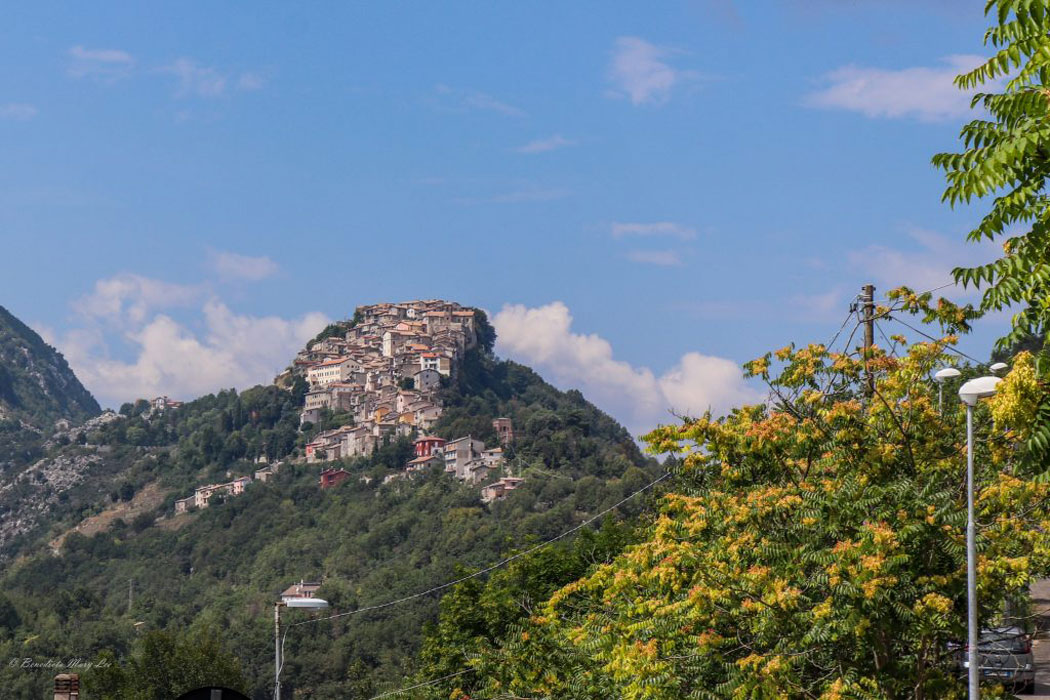

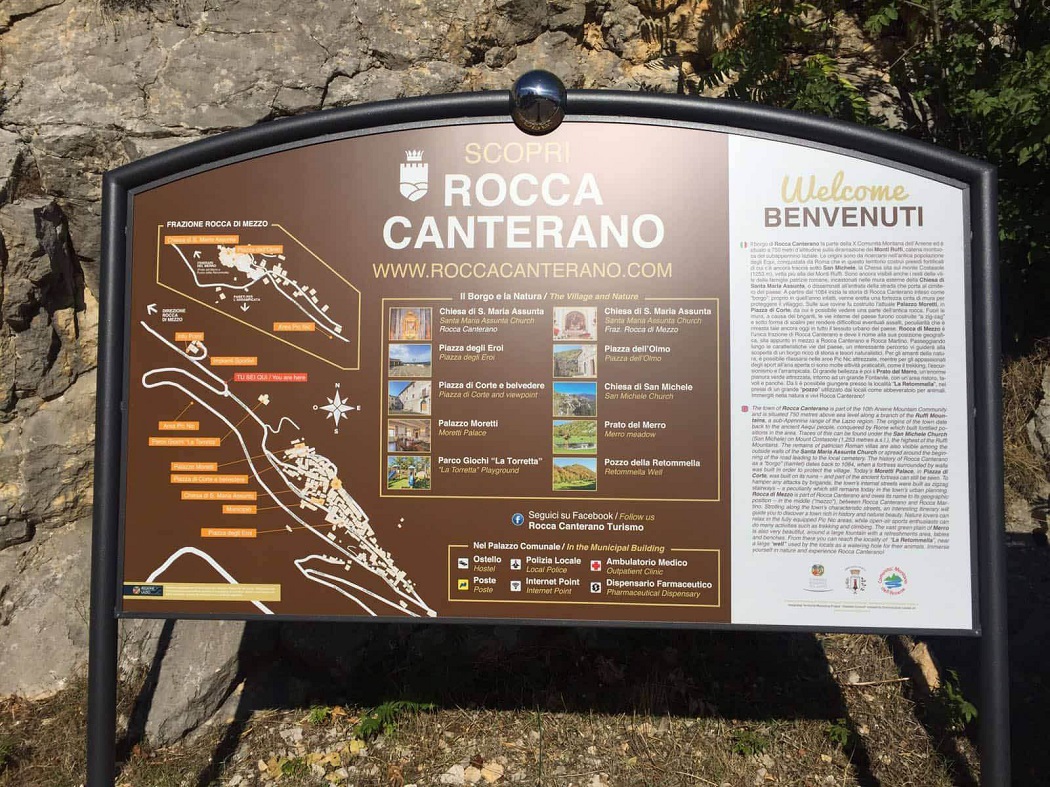
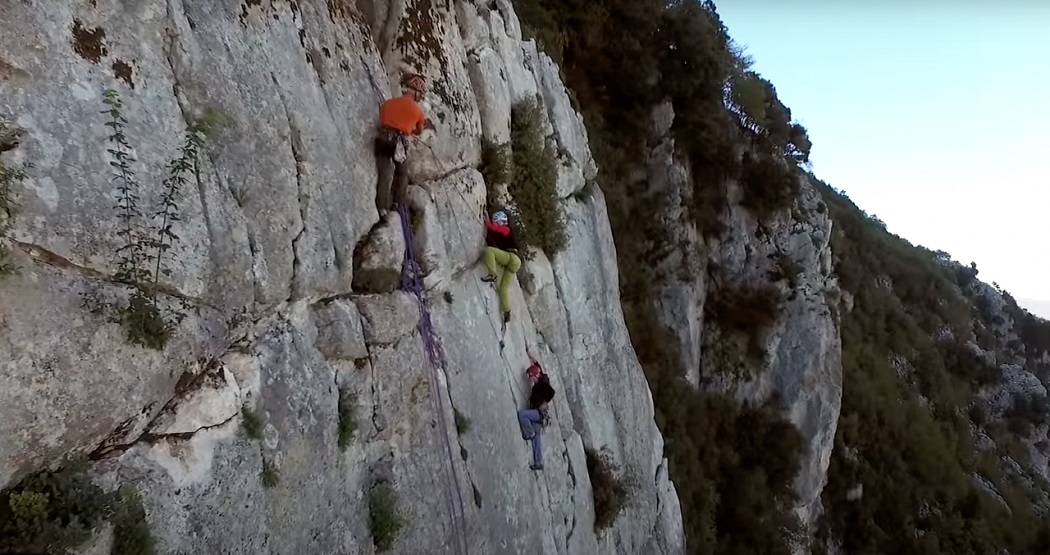
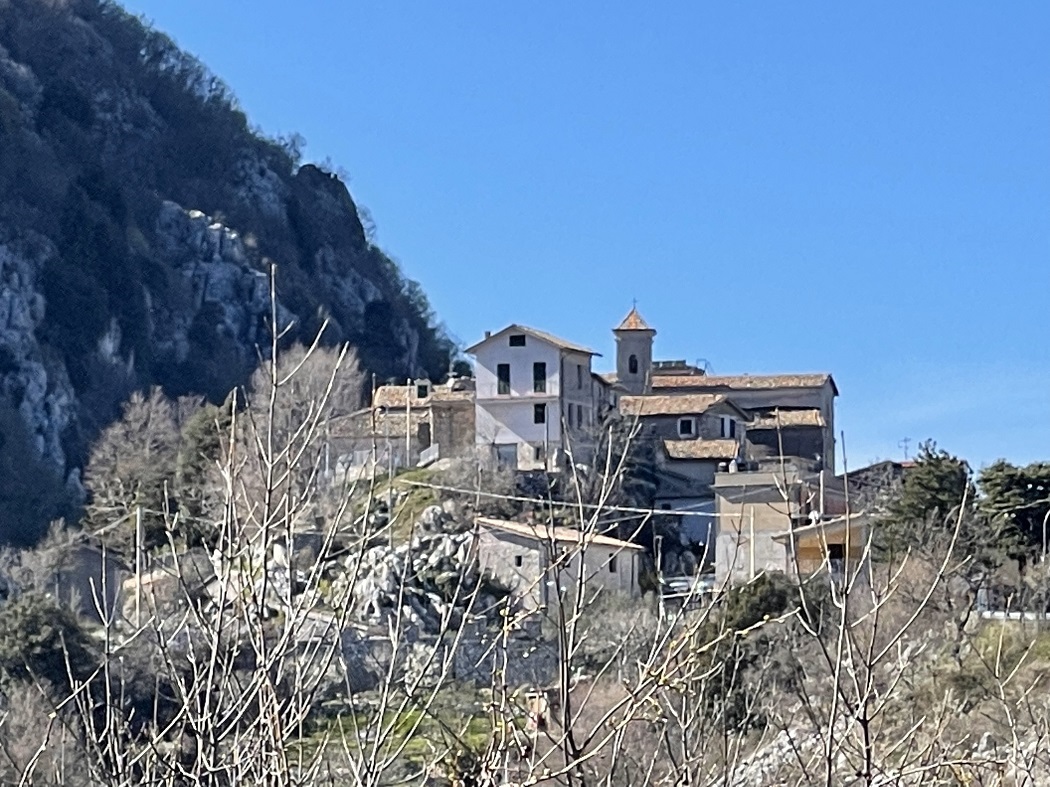
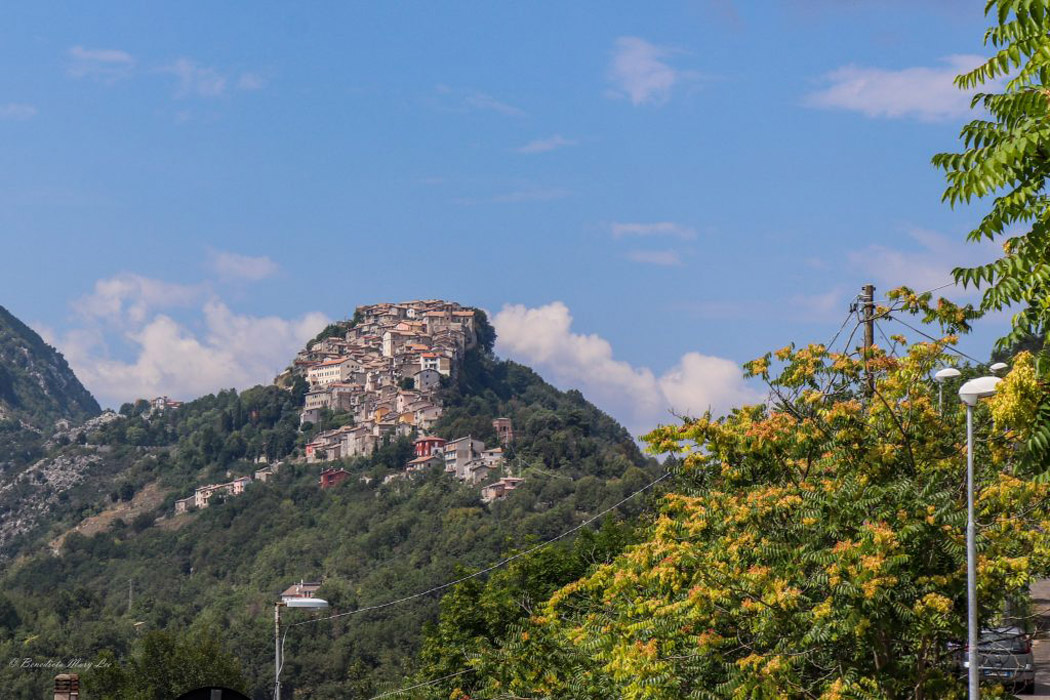
The village of Rocca Canterano is located at an altitude of 750 meters on a long offshoot of the Monti Ruffi and occupies the entire ridge between the villages and its hamlet of Rocca di Mezzo. The highest mountain is the Costasole and Rocca Canterano is famous for the climbing routes on the rocky walls, where mountain rescue is also practiced.
The village therefore develops in length and has particular inclination which give the streets and houses of the historic center a unique aspect.
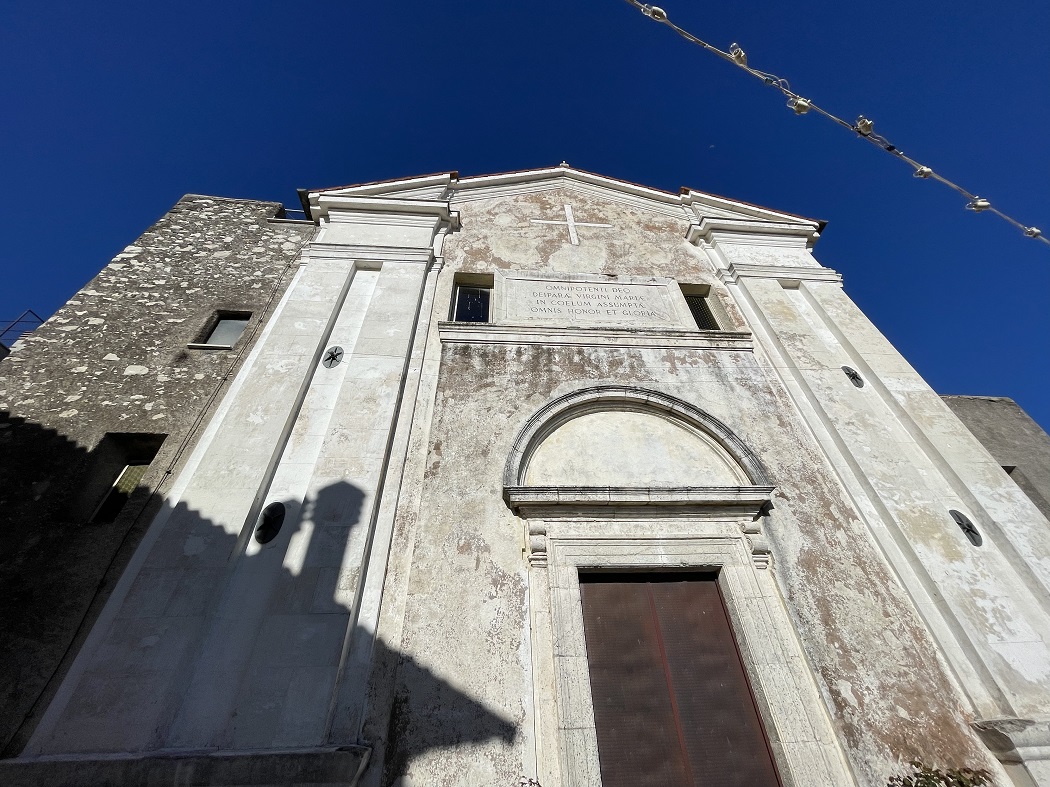
Equi were the first populations to settle, then defeated by the advance of Rome who populated these areas with settlers, so much so that in the 2nd century A.D. it became a holiday area for the Roman patricians. In the foundations of the church of San Michele we recognize a lookout point in ancient Rome.
The medieval village was born around 1084 with the construction of a fortress to protect the citizens, built by the abbot of nearby Subiaco. Around the same time, a castle was built in the nearby Rocca di Mezzo, which had to counter the overwhelming power of Landone, the lord of nearby Cerreto Laziale. The initial structure of the fortification system ended with the fortress of Rocca Martino. The latter castle became the seat of brigands such as Marco Sciarra and was demolished on the orders of Pope Sixtus V.
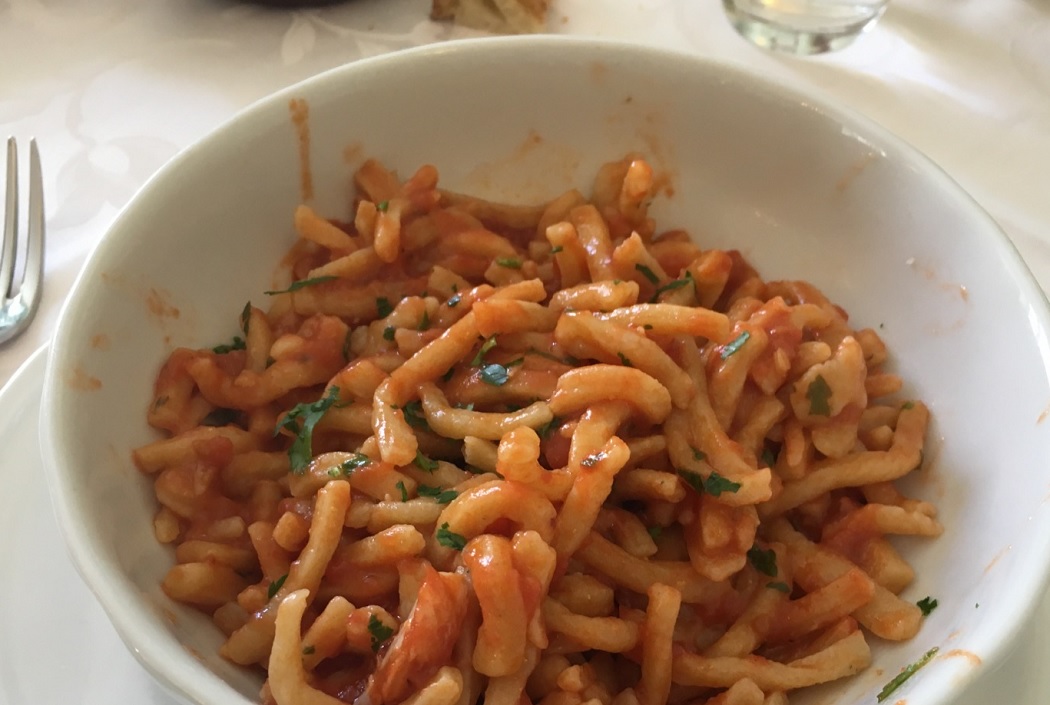
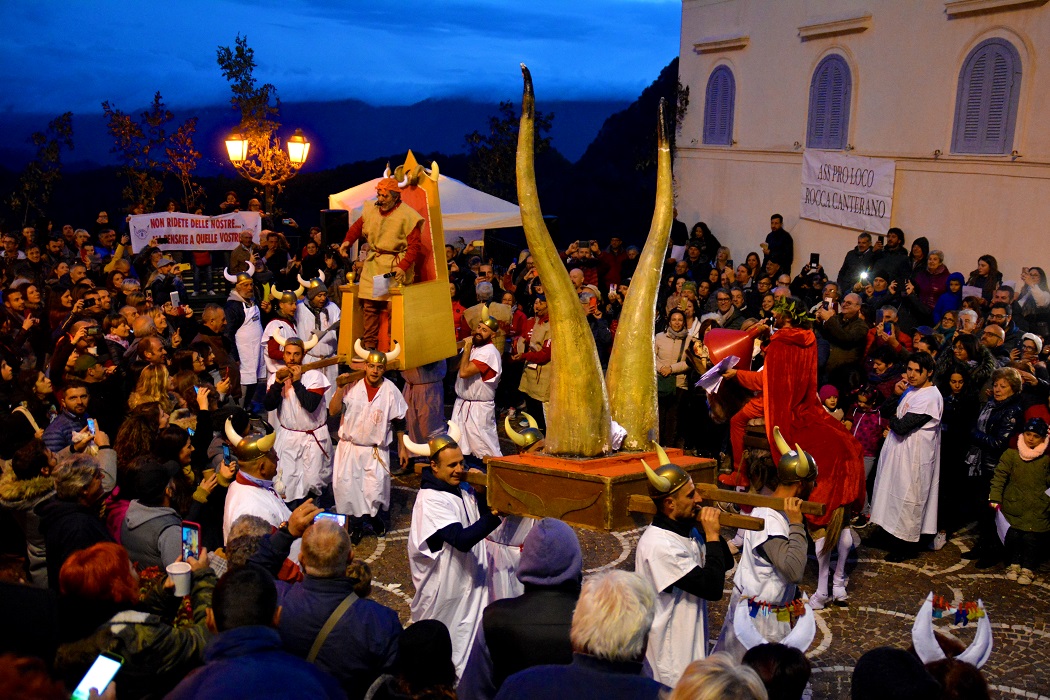
Legend has it that once the construction of the fortresses was completed, the workers were without women and went to kidnap them in the nearby villages of Canterano and Cerreto Laziale. Since then, a festival of reconciliation was established which still takes place in the village and which promotes the local pasta called 'cecamariti'.
During the period of brigandage, Rocca Canterano became a refuge for the brigand Santi who was executed in 1555 in Rome in Castel Sant'Angelo.
To tell the numerous disputes with the nearby Canterano for the definition of the borders. It is said that once the inhabitants of Canterano tried to create a rudimentary cannon using the trunk of a tree. But when they tried to fire, the cannon was destroyed and injured the citizens of Canterano themselves.
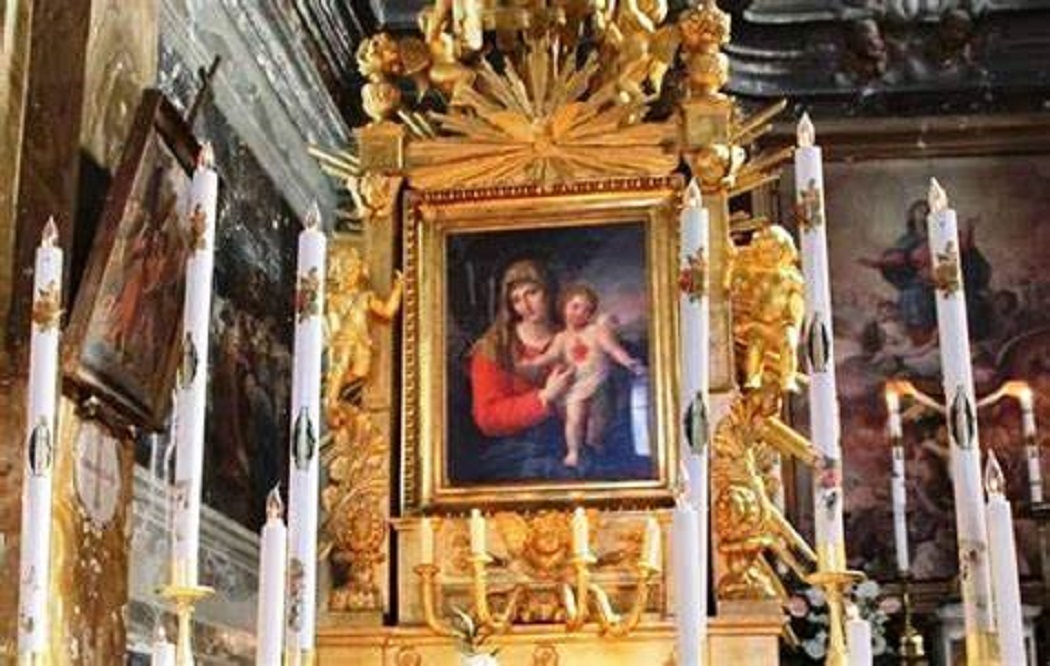
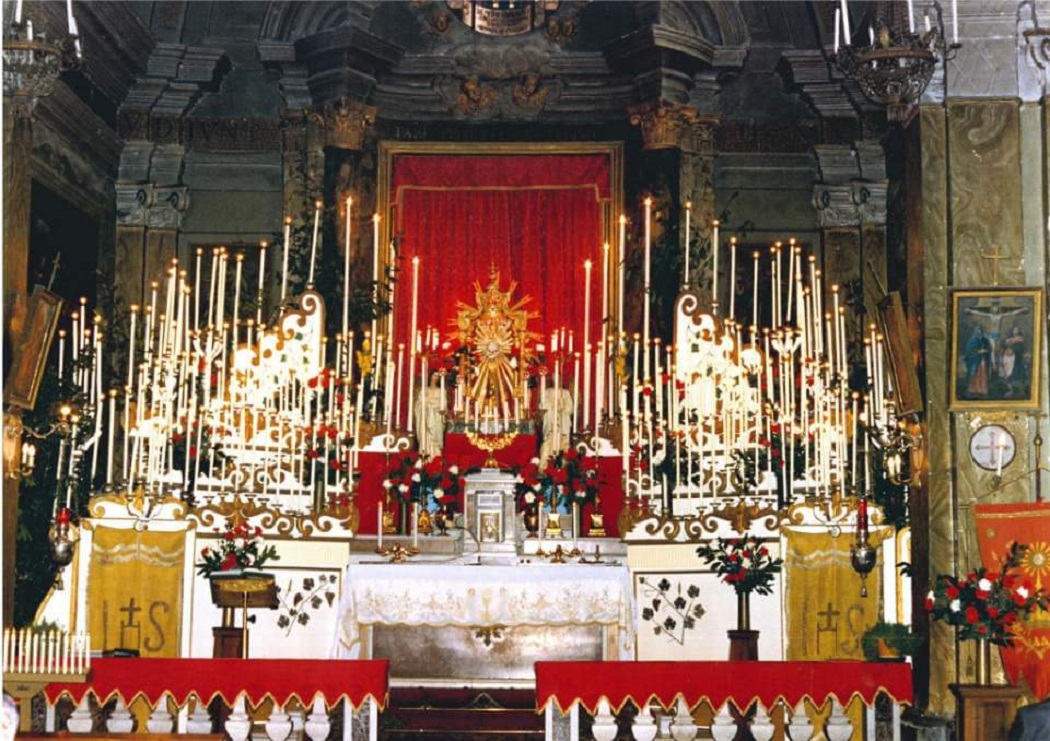
In 1777 the fiefdom of Rocca Canterano was purchased by the powerful Roman family of the Colonna. During the Napoleonic period, due to a series of temporal coincidences, the citizens of Rocca Canterano did not enter the Napoleonic army and to thank fate they gave a precious canopy to the Madonna of Divine love, which is still celebrated today in Rocca Canterano on 8 September.
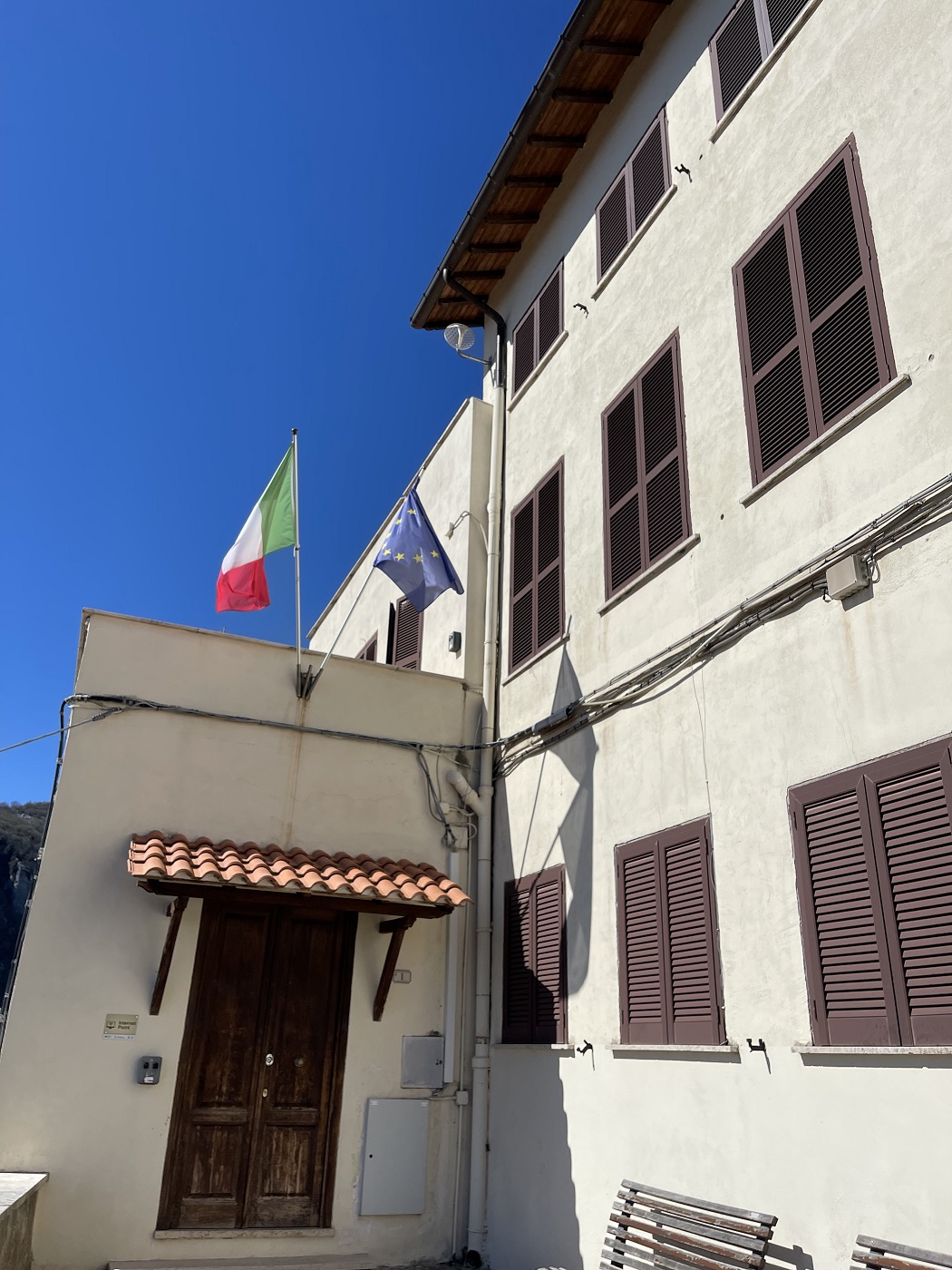
In 1756, the current Palazzo Moretti was built on the remains of the fortress of Rocca Canterano, which is one of the images of the village. The external side of the palace is curvilinear and probably followed the original city walls, it stands out for its grandeur and the original entrance to the village can be recognized. On the internal side, the one facing the center of the village, the building forms a courtyard which is today one of the small squares of the historic centre.
In 1837 the village was hit by a great cholera epidemic which decimated the population. Rocca Canterano was then hit by an earthquake in 2000 but it came out even more beautiful and safer than before.



Follow us