ph claudia bettiol
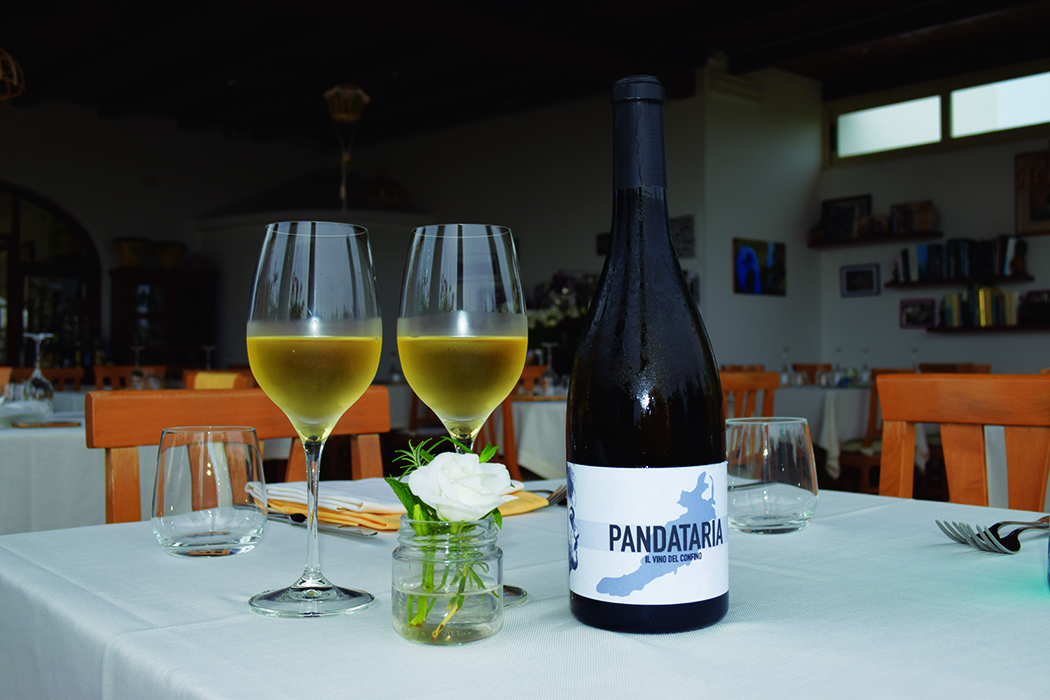
Ventotene. Pandataria Wine

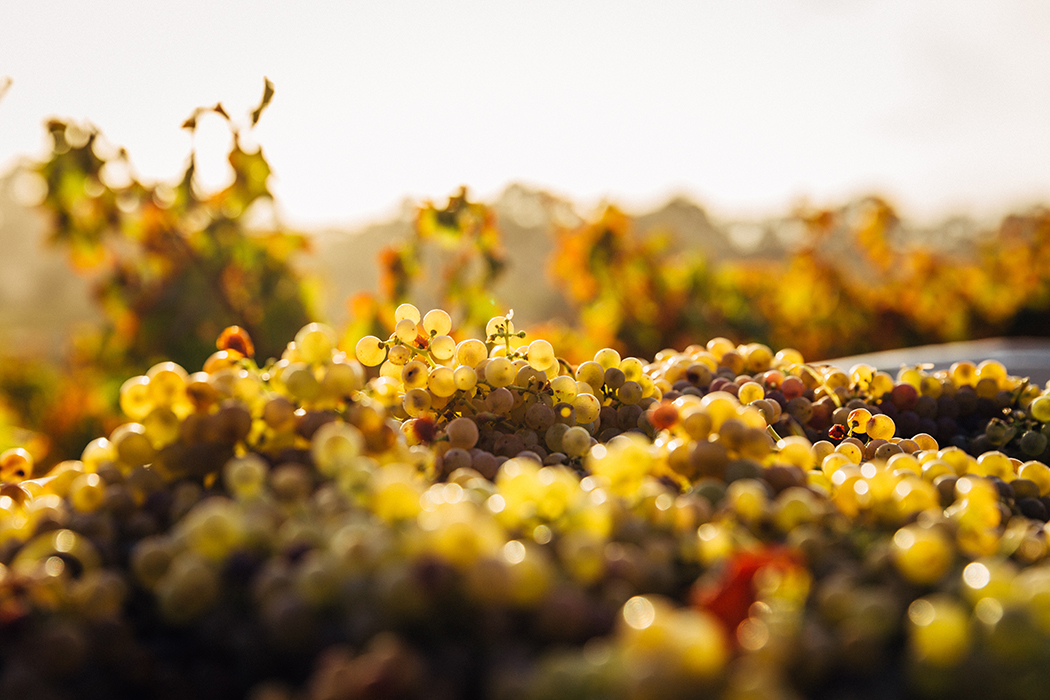
Despite the small size of the island of Ventotene, a young wine producer has planted a two-hectare cultivation with Fiano, Greco and Falanghina grapes. These are the typical vines of the Neapolitan tradition. 

Pandataria white wine has 14 degrees and an intense fragrance given by the balance of the three vines, in which the flavors of the Ventotene herbs are combined with those of the sea.

The name Pandataria reminds the past name of Ventotene. This wine can be enjoyed as an aperitif or to accompany fish dishes.

powered by social2s
Città della Pieve. Wine Trasimeno Hills DOC

Città della Pieve belongs to the wine classification D.O.C. "Colli del Trasimeno".

The production is predominantly red wine mainly made of sangiovese grape with other grape varieties typical of the Trasimeno.

The wine of Città della Pieve, fruity with a slightly bitter after-taste, is particularly suitable for meats and vegetables.

powered by social2s
Frascati. Frascati Superiore DOCG Wine

Frascati DOCG wine is one of the most famous wines in the world and was the first white wine in Italy to be certificated in 1966.

Since 2011 the quality wines are labelled with the certification "DOCG- Denomination of Controlled and Guaranteed Origin" for the types Cannellino di Frascati and Frascati Superiore.

The wineries of Frascati are tourist destination for lovers of wine and for the landscape that is enjoyed by vineyards on the hills surrounding Rome.


powered by social2s
Cervaro. Wine Frusinate IGP

Cervaro is in the wine production area Wine Frusinate IGP - Protected Geographical Indication.

The cultivation of grapes in the Frosinone area has ancient origins and predates the Roman period.

The immaginary line connecting the Etruscan and Greek viticulture is clearly visible in the central part of the province of Frosinone.

Its development has, however, been due to the monks and the dense network of abbeys and small Benedictine monasteries scattered throughout the territory.
 

powered by social2s
Velletri DOC Wine

Velletri is a town south of Castelli Romani (Roman Castles) on a hill facing the flatland to the sea. With this exposition and its volcanic soil, this area is perfect for the cultivation of vines.

Velletri DOC Wine is produced in the area of Velletri, Lariano e part of Cisterna di Latina. It has been recognized as DOC - Denominazione di Origine Controllata in 1972.

The white wine is produced using Malvasia of Candia, the Malvasia of Lazio, Tuscan Trebbiano, Green Trebbiano and Yellow Trebbiano grapes. The red wine is produced using Montepulciano, Sangiovese and Cesanese and Cesanese of Affile grapes.

The DOC Velletri refers to three types of white wine (White, Superior and Sparkling) and to two types of red wine (Red" and Red Reserve).

The Velletri wine is quoted by Livio and was popular with Romans. The Statutes of the municipality of Velletri (end of 1400) contain numerous chapters on wine production process, from the cultivation of the vine until the production and its conservation.

Borgia tells that St Francis passing Velletri in 1222 and miraculously freed the vines from worms (called Magnacozze) that were destroying the plants.
 

powered by social2s
Nerola. Colli della Sabina DOC Wine

Nerola is a DOC area for ​​the Colli della Sabina (Sabina Hills) DOC wine, a red and white wine already known in Roman times.

Wine and oil of Sabina are mentioned by Pliny the Elder, who in particular tells of local grape called 'vinaciola', and it was exalted in odes by the poet Horace.

Colli della Sabina wine area is north east of Rome in the region called Sabina (province of Rieti and part of the province of Rome).

Red wine is produced using Sangiovese, Montepulciano grapes and white wine is produces using Trebbiano Toscano, Trebbiano Yellow and a minimum percentage of other grapes grown in Lazio region.


powered by social2s
Monte Compatri. Montecompatri Colonna DOC Wine

The Montecompatri Colonna DOC Wine area is the norther part of Albano Hills and includes the towns of Monte Compatri, Colonna, Zagarolo and Rocca Priora.

The volcanic soils and the slops of hills create the perfect microcline for the cultivation of grapes.

These white wines are fresh and taste have notes of white flowers and mineral. White wines are produced with Malvasia del Lazio, Trebbiano Toscano, Trebbiano Giallo and Trebbiano Verde grapes.


powered by social2s

Subscribe to Newsletter

Discover a territory through the emotions of the people that have lived it.