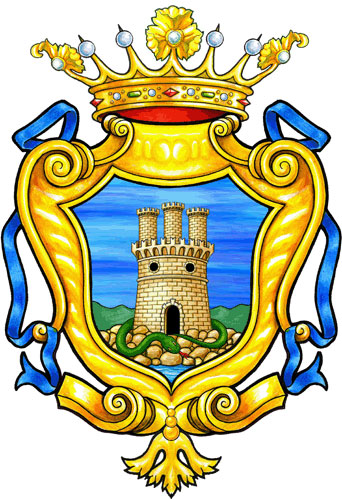
Nepi


Coat of arms of Nepi
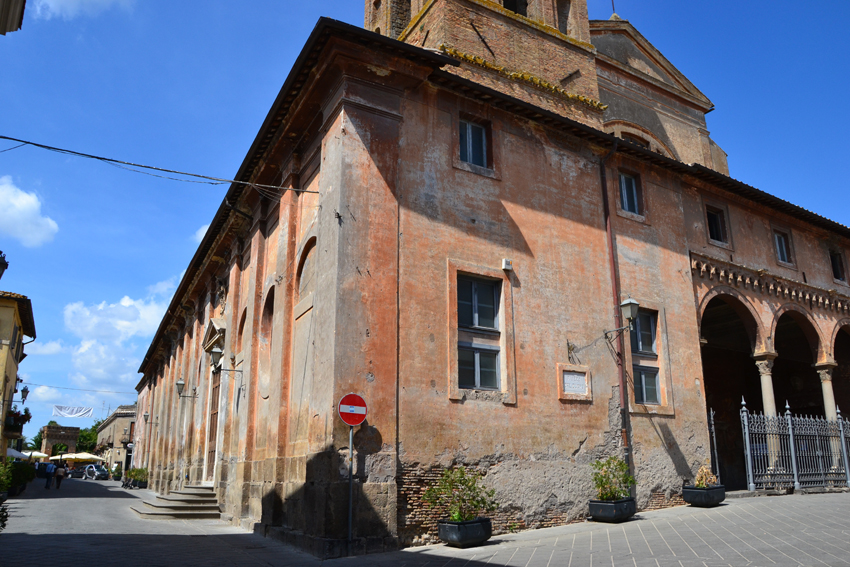
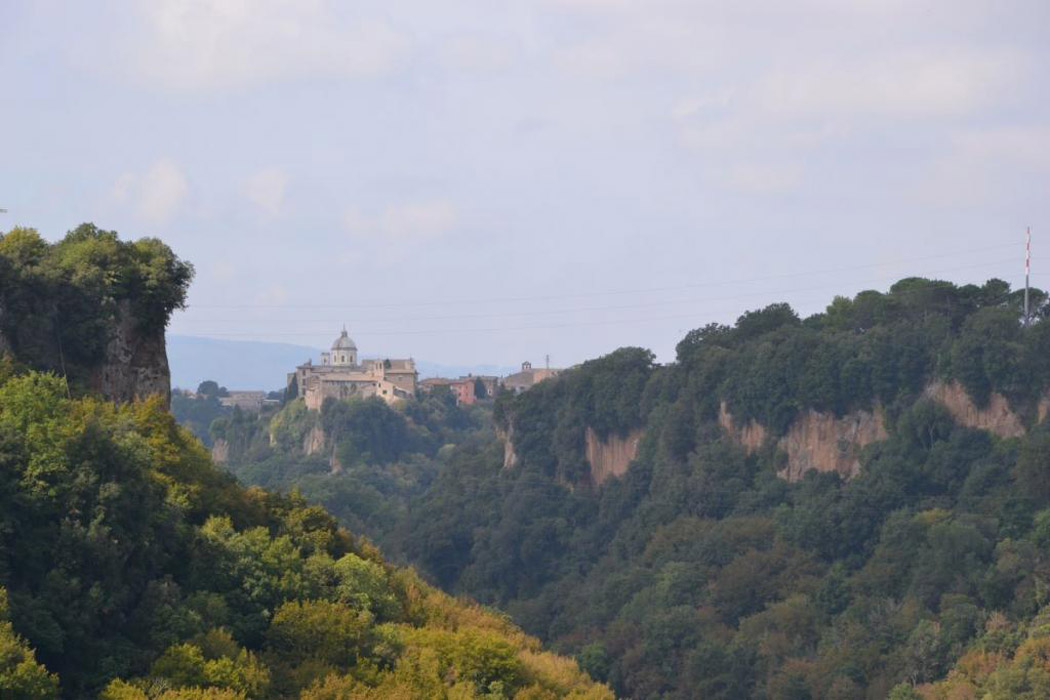
Nepi is located on a vast tuff promontory surrounded by two deep gorges created by the Puzzolo and Falisco streams. Many artefacts were found dating from the Falisci of the seventh century. Legend has it that the town was founded 548 years before Rome (founded in 753 BC) by the hero Termo Larte.

Its name may derive from Nepa, which in Etruscan means water and Nepi is characterized by water and for being the city of the baths of the Gracchi.

In the Falisco period, in the fifth century BC, the city was surrounded by thick walls described by the historian Livy, and was conquered by the Romans in 383 BC under Furio Camillo. It became a municipality due to its important strategic position along the Via Armerina.

In the sixth century AD it was devastated by Alboin, King of the Lombards, and in 1061 was conquered by Robert Guiscard and later belonged to Matilda of Canossa.

In 1131 it became a free city but it was always at the center of the continuous struggles between the aristocratic families who were contending for the government: the Prefects of Vico, the Anguillara, the Orsini and the Colonna, then, finally, the Borgias and the Farnese. With Borgia, Nepi was fortified with walls and re-used in part those of ancient Faliscan.

With Farnese it had a period of splendour and in 1537 Pope Paul III created a duchy with Castro. In 1545, however, it was transferred to the Apostolic Chamber in exchange for Parma and Piacenza.

Nepi remained under the rule of the Holy See until the proclamation of the Kingdom of Italy.

In 1798 Nepi fought the French troops and the Bourbon troops and there were hundreds of deaths. In the war the Cathedral and the Episcopal Archive were irreparably destroyed.

During the nineteenth century, Nepi was part of the Grand Tour in Italy of famous people and many artists who wanted to learn about this country. Nepi is in the paintings of William Turner and Camille Corot.


powered by social2s

Typical products 

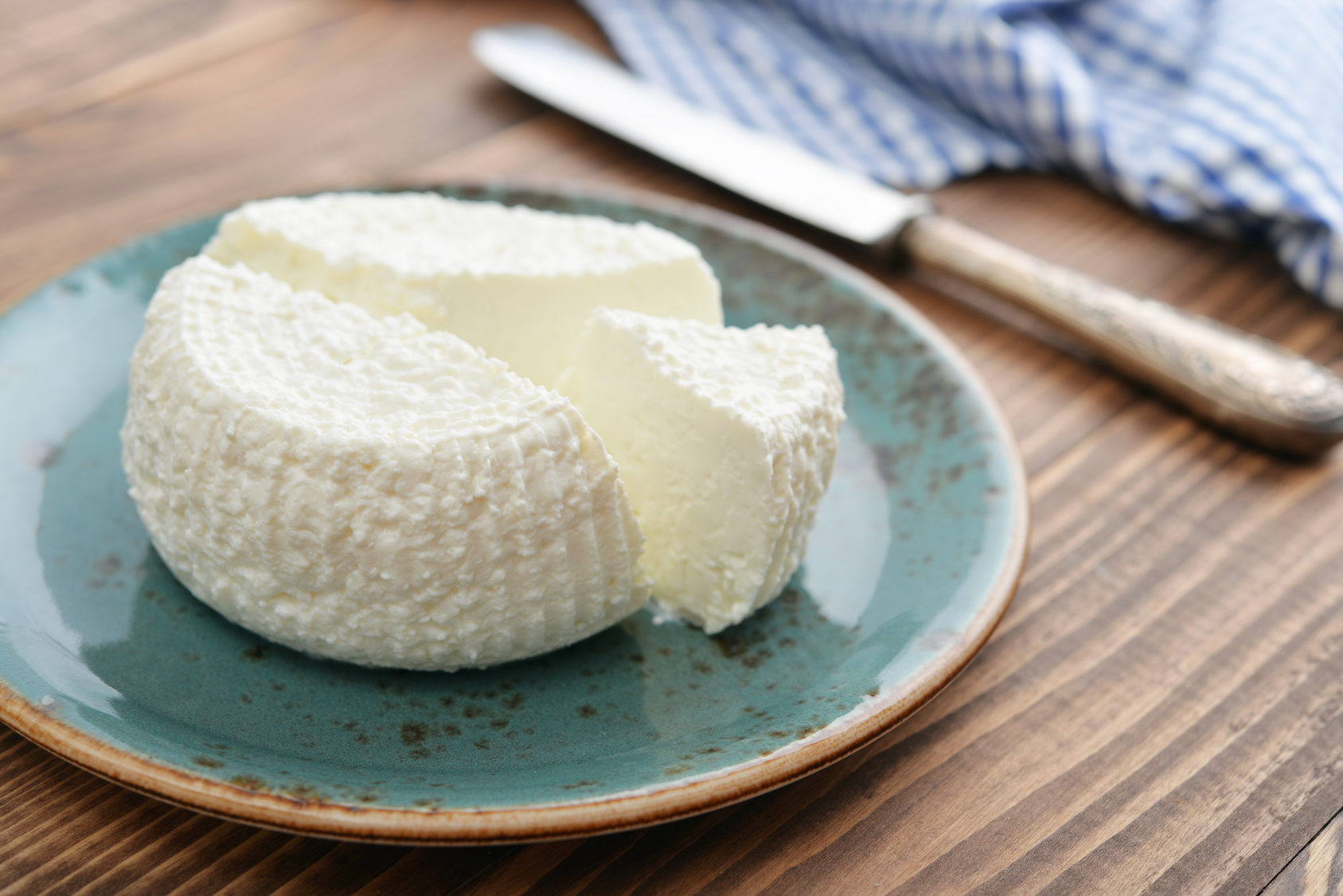
In Nepi the famous Ricotta Romana DOP is a whey cheese produced with local cow or sheep milk. The sheep graze in the wide meadows of Tuscia region with...

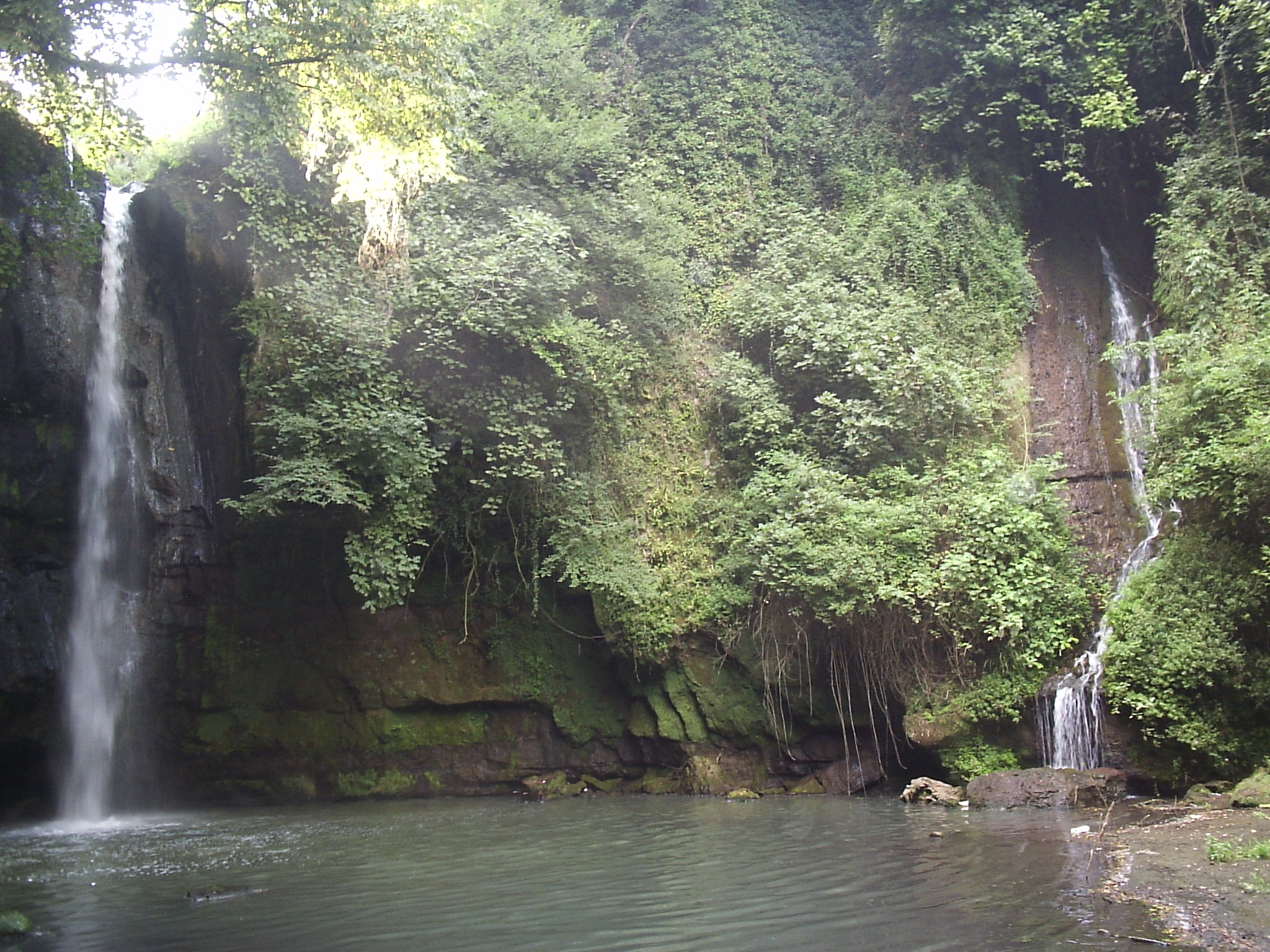
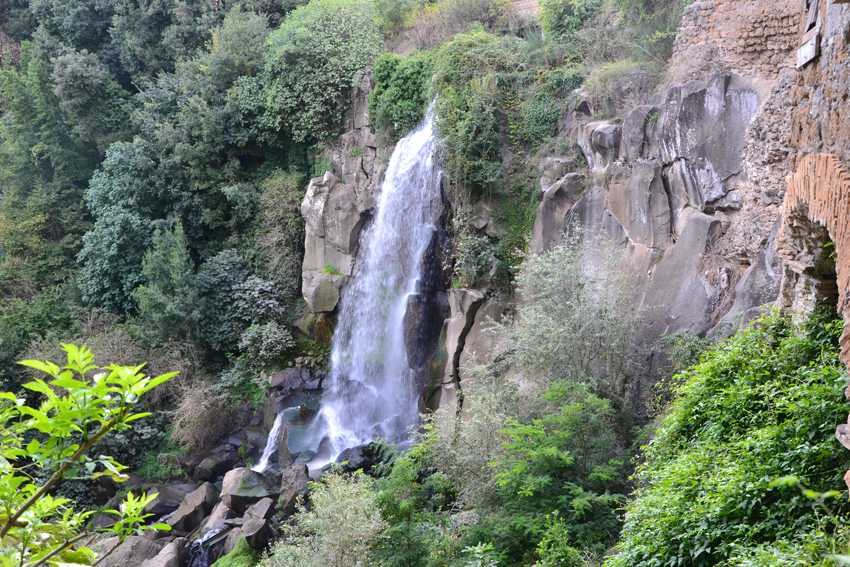
Nepi is particularly famous for its water and next to the main south gate of the town there is a powerful and enchanting waterfall called Cavaterra formed by...

Archeotourism 

The necropolis of Nepi dates from the third century BC and stretches along the ancient Via Amerina. Along the road you can still see the remains of three...

Full of important evidence of the past, the Thermal Baths of Gracchi of Nepi it is known for its purifying mineral waters and was already appreciated by the...
Festivals 

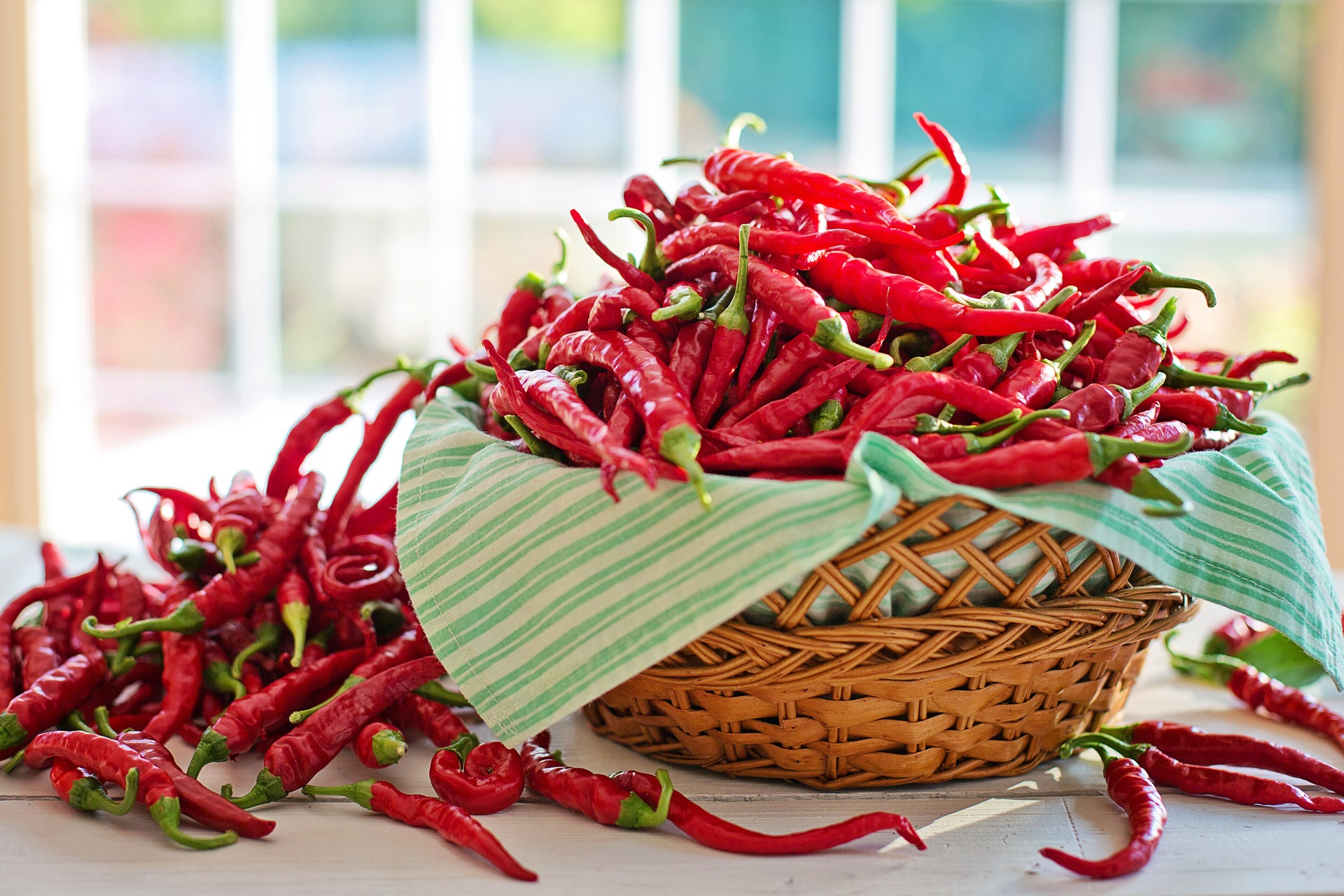
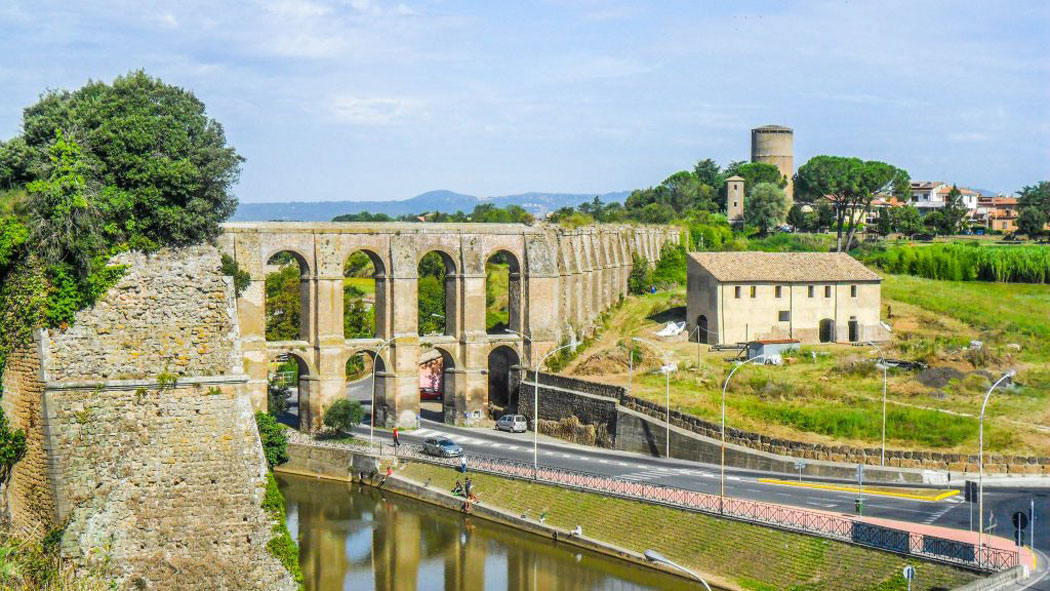
A weekend in Nepi with an exhibition and market dedicated to chili and all the delights that can be prepared. In the area of the ancient aqueduct, a series...

In May one in Nepi, Pecorino Festival celebrates the best local cheese. Pecorino is a local product and the festival is an opportunity to taste the...
Celebrations 

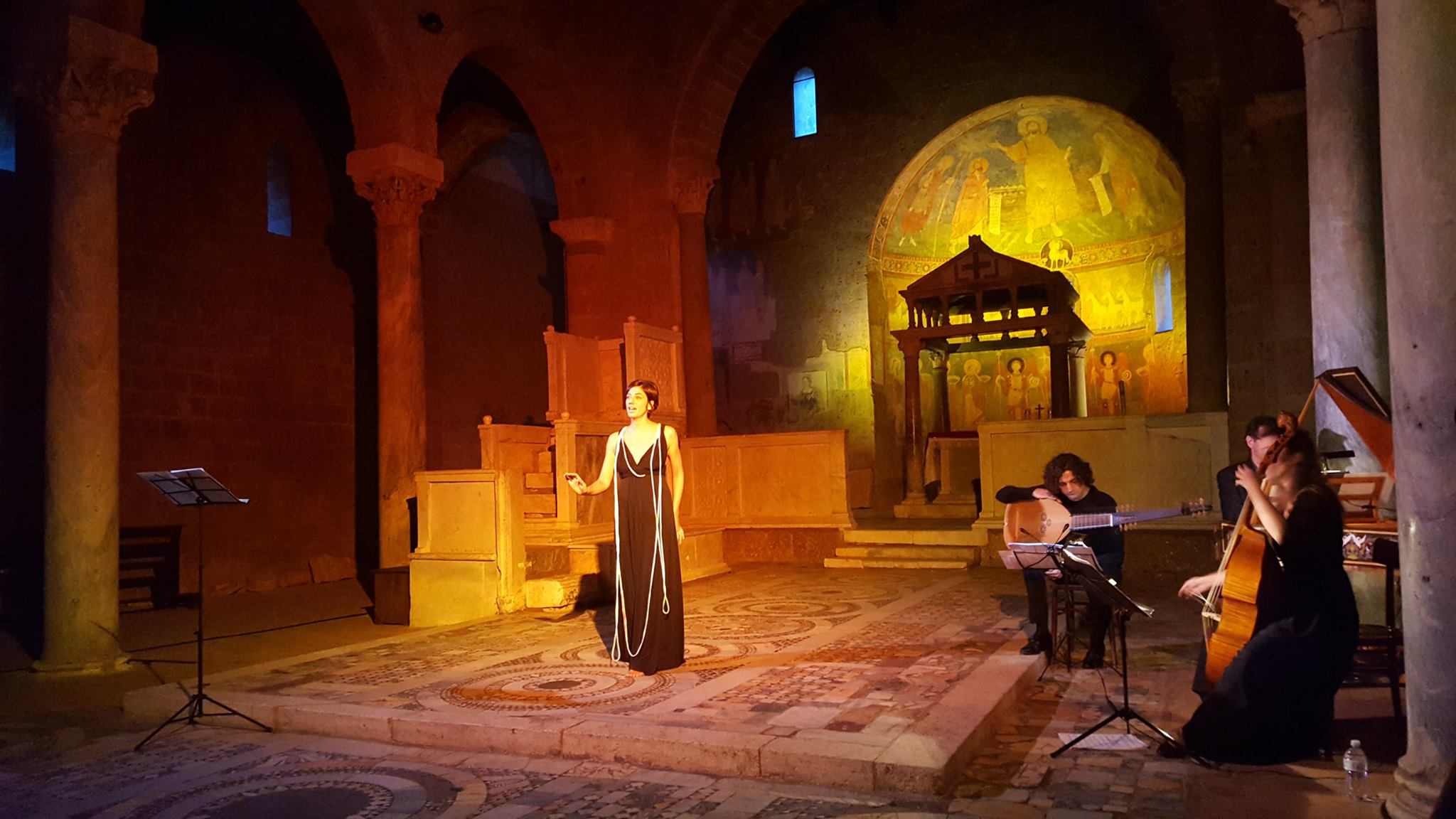
The Baroque Festival "Alessandro Stradella" is a point of reference for baroque music and in more than forty years of history has hosted artists of high...
Religious Celebrations 

Nepi inaugurates the season of events of its carnival on the Sunday after the day of Saint Anthony. On the weekend closest to 17 there is the Agricultural...

In Nepi, the Holy Week Rites rites begin on Thursday with a visit to the "Sepulchre". The altars are set up in the various churches and decorated with...

Churches & Places of Worship 

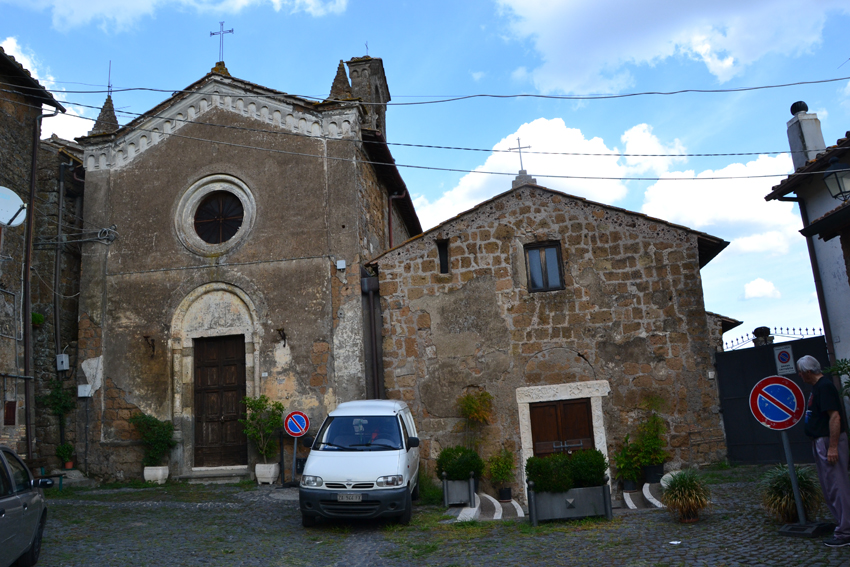
The church of San Biagio is one of the oldest buildings in the city of Nepi and already existed in 950. The church has a single hall with a raised presbytery...

The church of Santa Maria Assunta in Nepi was built in the twelfth century on a Roman temple on which had been built in the fifth century AD the early...
Archaeological museums 

The Civic Museum of Nepi is located in the Town Hall which, like the Duomo, is built on the site of a large temple which probably belongs to the Etruscan...
Architecture and monuments 

The majestic Borgia fortress of Nepi was built in 1450 by Cardinal Rodrigo Borgia, the future Alexander VI Pope. It was built on an old medieval castle and...

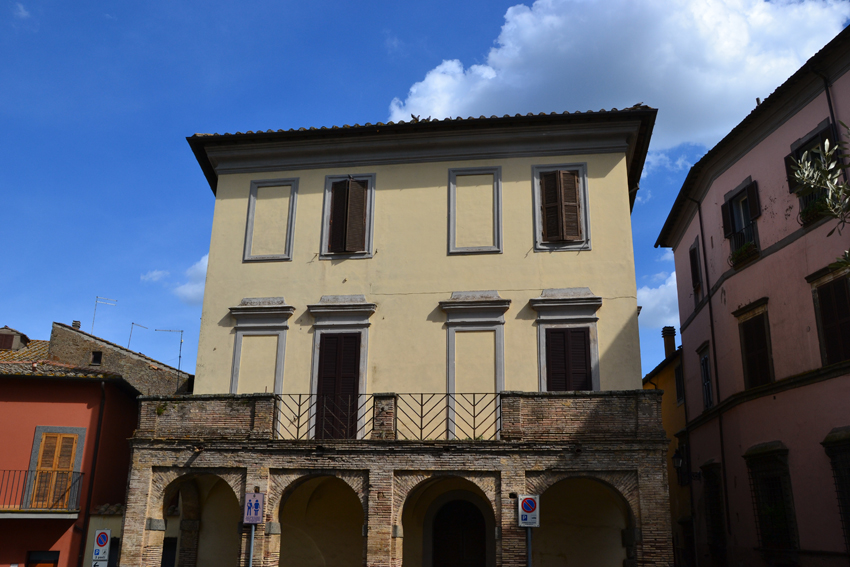
The Town Hallo f Nepi dates back to 1543 when the Duke Pier Luigi Farnese entrusted the project to Vignola but it was only finished in the eighteenth...

Special Places 

The Palio of Saracino (originally the Saracen jousts) is one of the most interesting events of Tuscia and the most important of Nepi. It was created in 1995...
Blog 

This Thursday we talked about Nepi, together with its Mayor Franco Vita! A village that we are waiting to find again, and that in the meantime you can get to...
Recipes 

Nepi, city of water, reveals some actual surprises for those who love wine. It seems that the name Nepi derives from the word Nepa, which in ancient Etruscan...
Town Ambassador
Discover your italian Roots


Subscribe to Newsletter

Discover a territory through the emotions of the people that have lived it.