Zagarolo


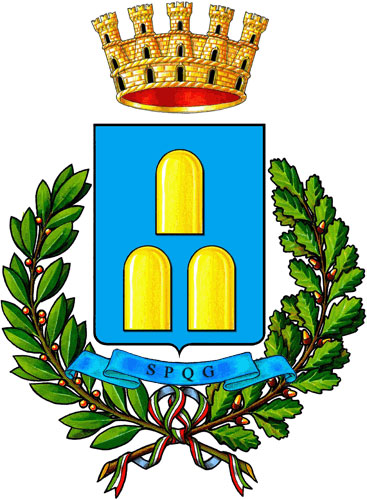
Coat of arms of Zagarolo

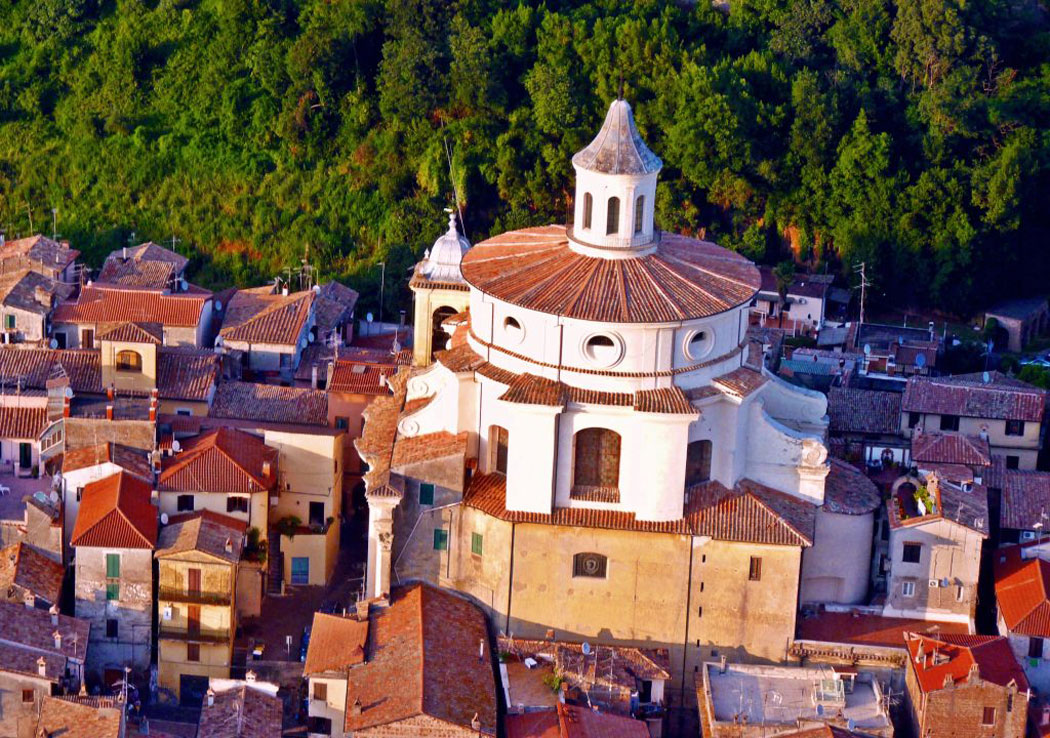
The town of Zagarolo is located east of Rome and stretches for two kilometers on a hill of tuff, a volcanic rock that came from the ancient volcanoes of the Castelli Romani.

According to ancient tradition, there was settlement here already during the era of the Roman monarchy and refuge was found here by the mythical exiles of Gabi, the Etruscan city destroyed by Tarquinius Superbus, the last king of Rome.

After the fall of the Empire the history of the area is confused with that of the decadence of Rome. The earliest written records date back to 970 AD when Pope John XIII gave these territories in fief to his sister Stefania of the Counsi of Tuscolani. In 1043 the Colonna family took over and loved so much these places to cede Tusculum to Pope Eugene III, in 1157, in order to keep Zagarola and Colonna.

In 1295 Boniface VIII was received with great magnificence in Zagarolo, in his first trip to Anagni, after election as Pope.

But following the struggles waged between the great patrician families for the supremacy of Rome, Zagarolo was conquered by the same Bonifacio VIII who then destroyed Palestrina. When in 1435 the Colonna family was subjected to the Pope finally peace came and Zagarolo became the headquarters of Lorenzo Colonna. Zagarolo was later destroyed by Cardinal Vitelleschi, but was rebuilt by the same Colonna.

Zagarolo was recognized in 1538 as the fief of Vittoria Colonna and the 'branch of Zagarolo Colonna' began. In those years the municipal statute was drafted and it experienced a period of peace and prosperity. The love of the Colonna was so strong that Marzio Colonna filled the family with debt to restructure the city. His successors were forced to sell the duchy to the Ludovisi and then to the Rospigliosi who gave it a new urban plan. This was the Zagarolo Renaissance with the construction of the Borgo Nuovo (now Corso Vittorio Emanuele) and St. Peter's Church.

In 1816 the fief of Zagarolo was abolished, while it remained under the control of the Pallavicini-Rospigliosi until 1848. On October 9, 1858, Pius IX declared Zagarolo a 'city'.

powered by social2s

Typical products 

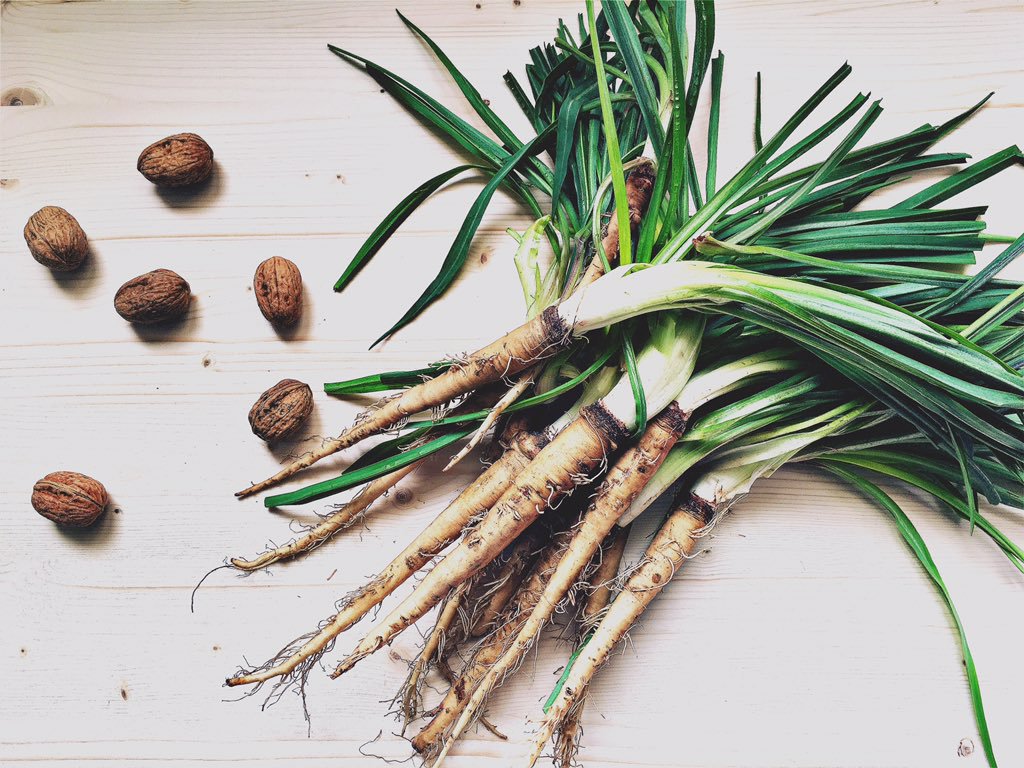
Sarzefini is an almost unknown tuber is one of the most unusual and tasty fruits of this territory. It is a typical dish of the winter season, which the...
Typical Dishes 

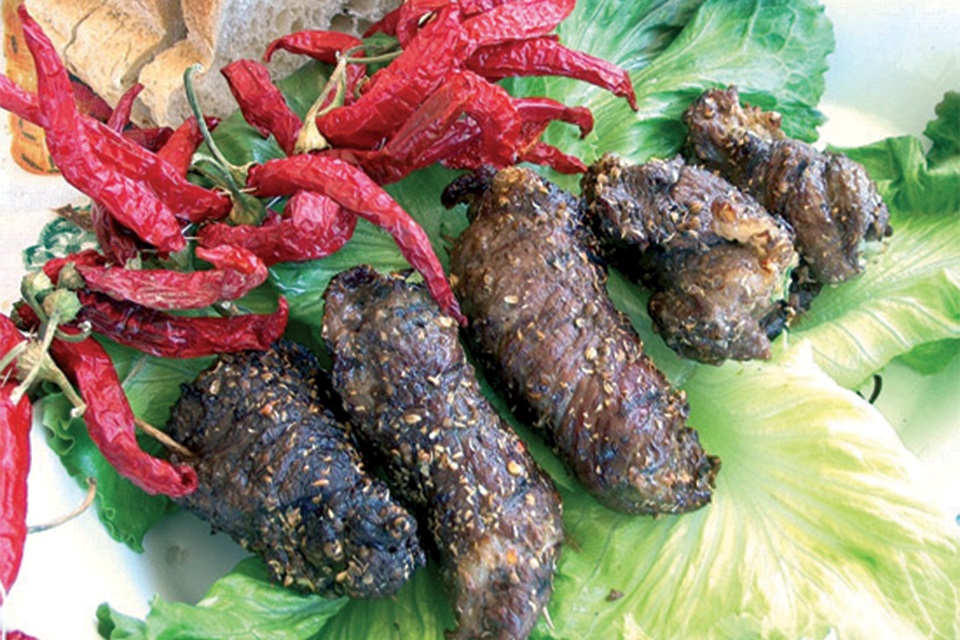
Tordo Matto is a typical dish of Zagarolo, the beautiful town south of Rome famous for its wine. it is a slice of rolled horse meat, with coriander inside,...
Typical Wines 

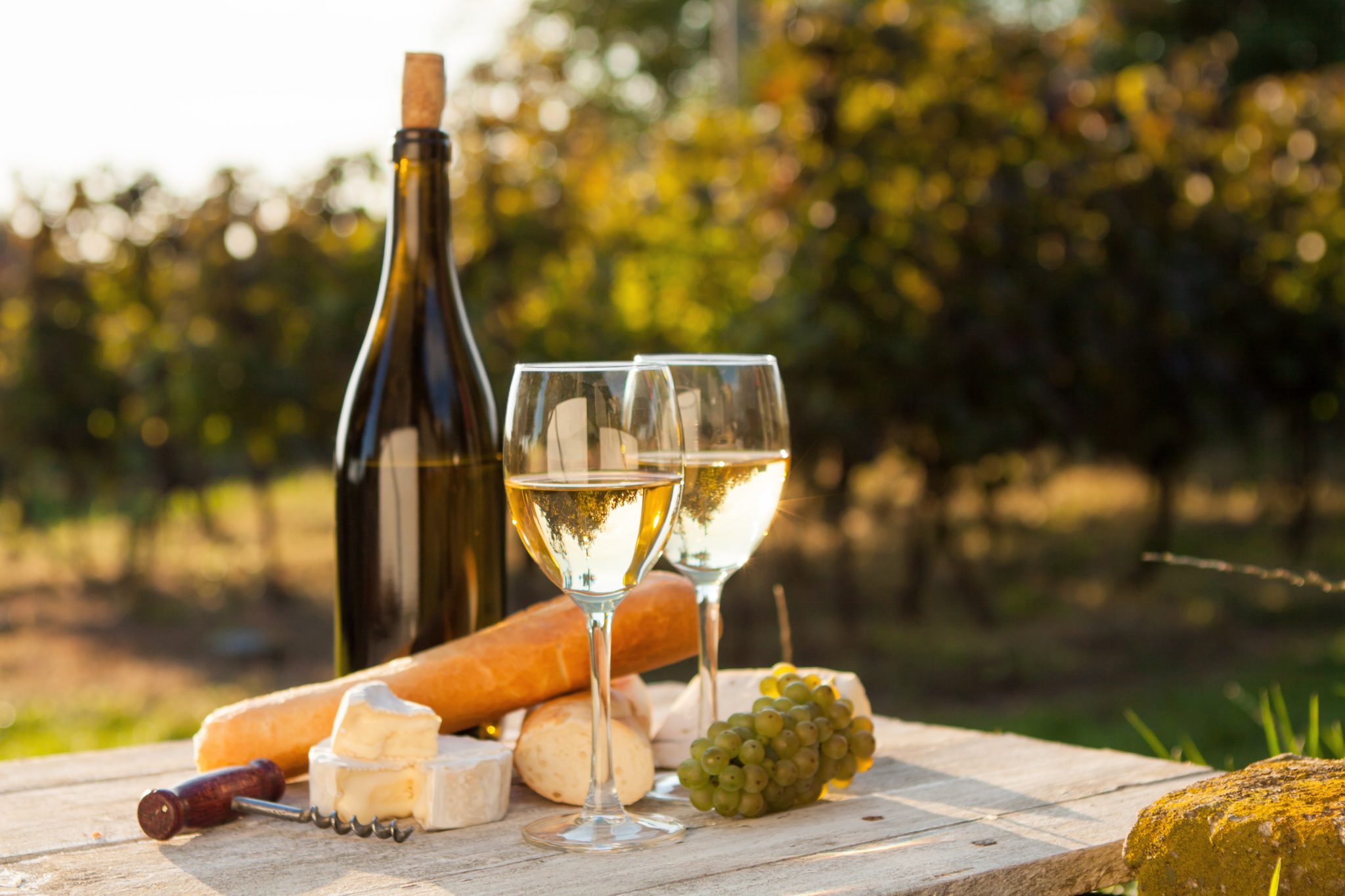
The area of Zagarolo is perfect for white grapes and is the production area of Zagarolo DOC Wines. Zagarolo has a volcanic soil and many cellars are dug into...

Archeotourism 

In Zagarolo is the ancient trade square of the Vignola school with arcaded sides where the market was held. The whole square is decorated with stuccoes,...
Festivals 

The grape festival of Zagarolo is the oldest grape festival of the Lazio Region after that of Marino. It takes place on the first Sunday of October.
Celebrations 

From the land to the table, without intermediaries. Every Sunday morning a direct sales agri-food market by producers takes place in Zagarolo, in the market...

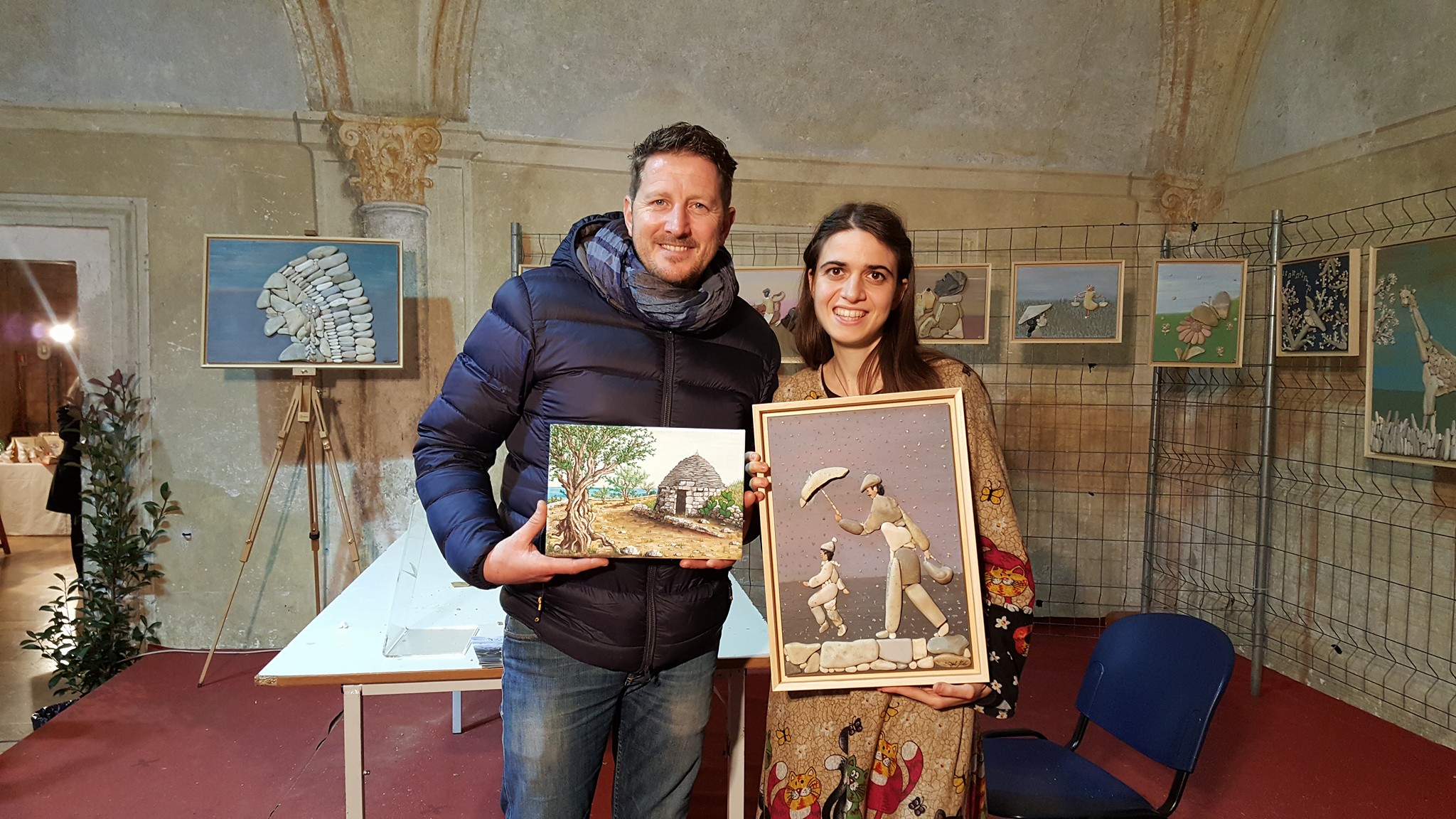
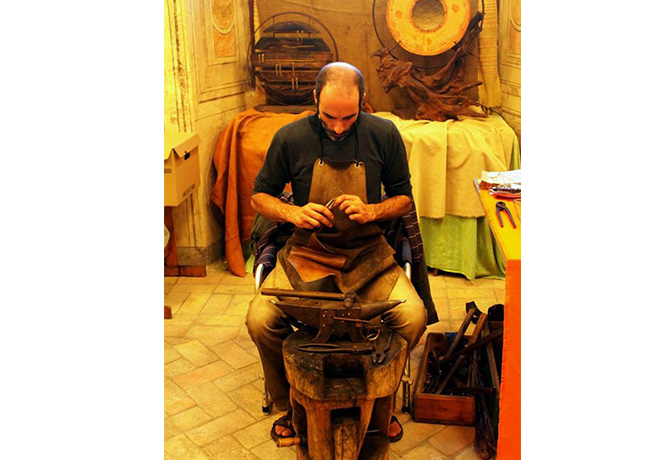
The weekend of mid-December, Palazzo Rospigliosi of Zagarolo hosts one of the most visited events for the quality of exhibitors, artists and craftsmen on the...
Religious Celebrations 

The night of the shooting stars, the patron saint Lawrence is celebrated in Zagarolo.

Churches & Places of Worship 

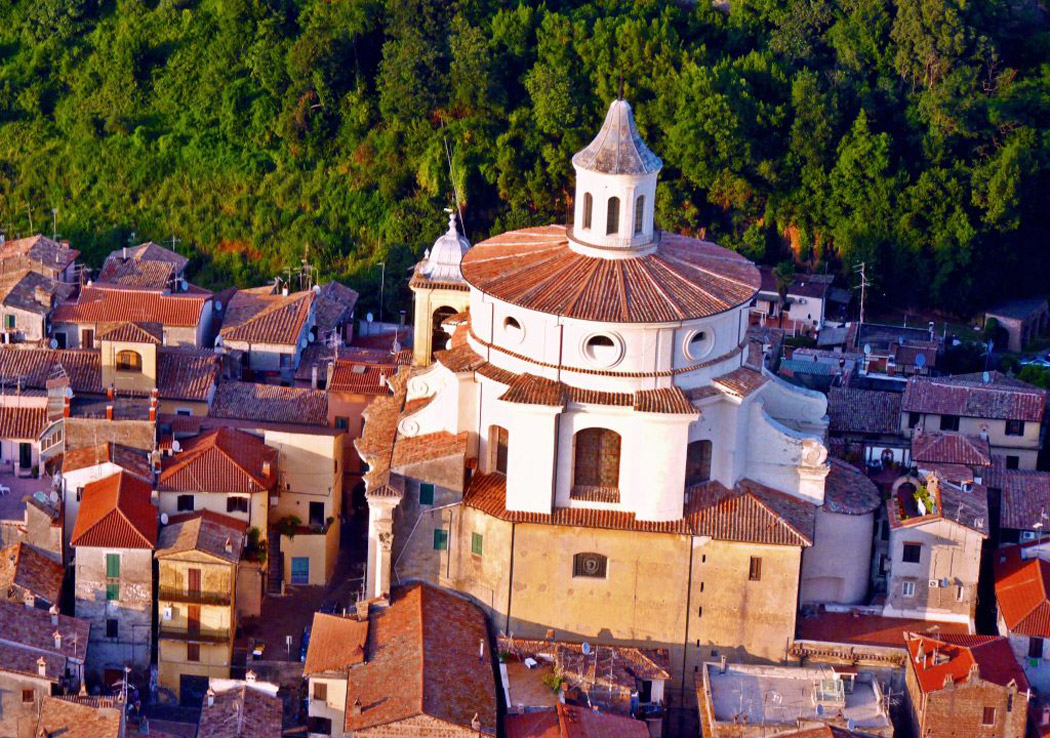
The collegiate church of San Lorenzo was built in Zagarolo on the remains of a church of the tenth century and has had several architectural interventions...

The church and convent of Santa Maria delle Grazie in Zagarolo were built from the transformation of a shrine with a miraculous image of the Madonna and a...
Particular museums 

The Toys Museum is located inside Palazzo Rospigliosi in the center of the town of Zagarolo. It is the largest theme museum in Italy and one of the most...
Architecture and monuments 

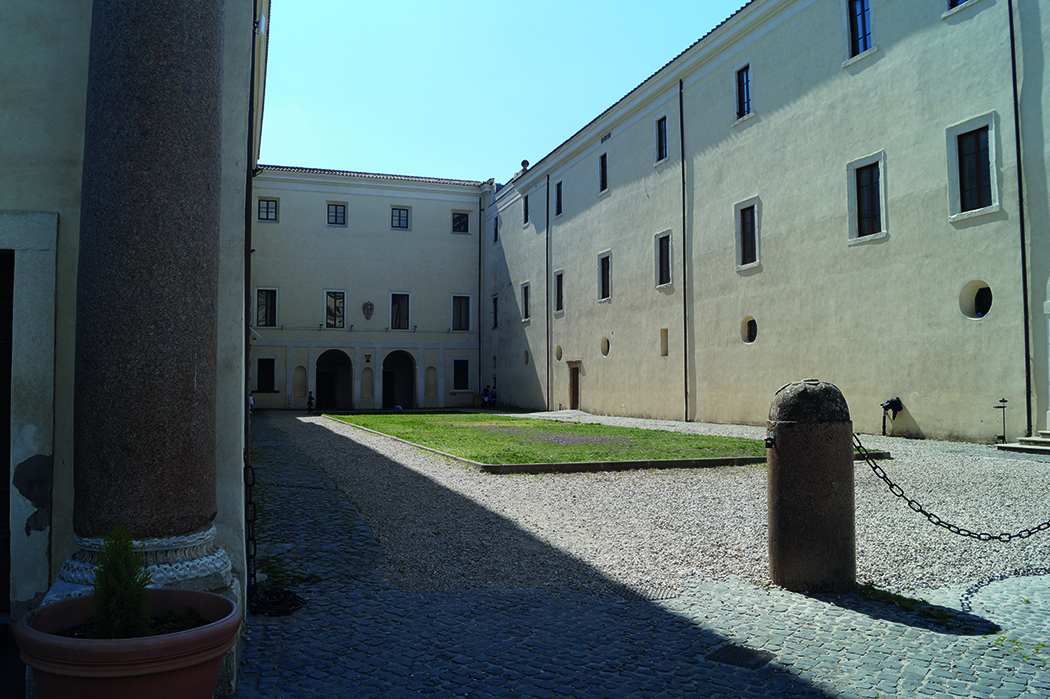
The Rospigliosi palace of Zagarolo is linked to the history of the Colonna family, one of the most powerful of papal Rome. Born as a medieval fortress with...

The arch of Zagarolo was built by the Colonna to commemorate the victory of Lepanto in 1571. It is a triumphal entrance arch to the area of Palazzo...

Food & Wine 

A truly incredible story links Tordo Matto to the culinary tradition of Zagarolo: and when a special taste is born from a fairy tale, tradition becomes part...
Special Places 

On an autumn afternoon, after the annual olive harvest, my daughter Maria and I went to Zagarolo, a town we had always known only by the train stop, where a...

The week long festivities for San Lorenzo, patron saint of Zagarolo, involve both religion and tradition. At night on the day of San Lorenzo, 10 August, there...
Blog 

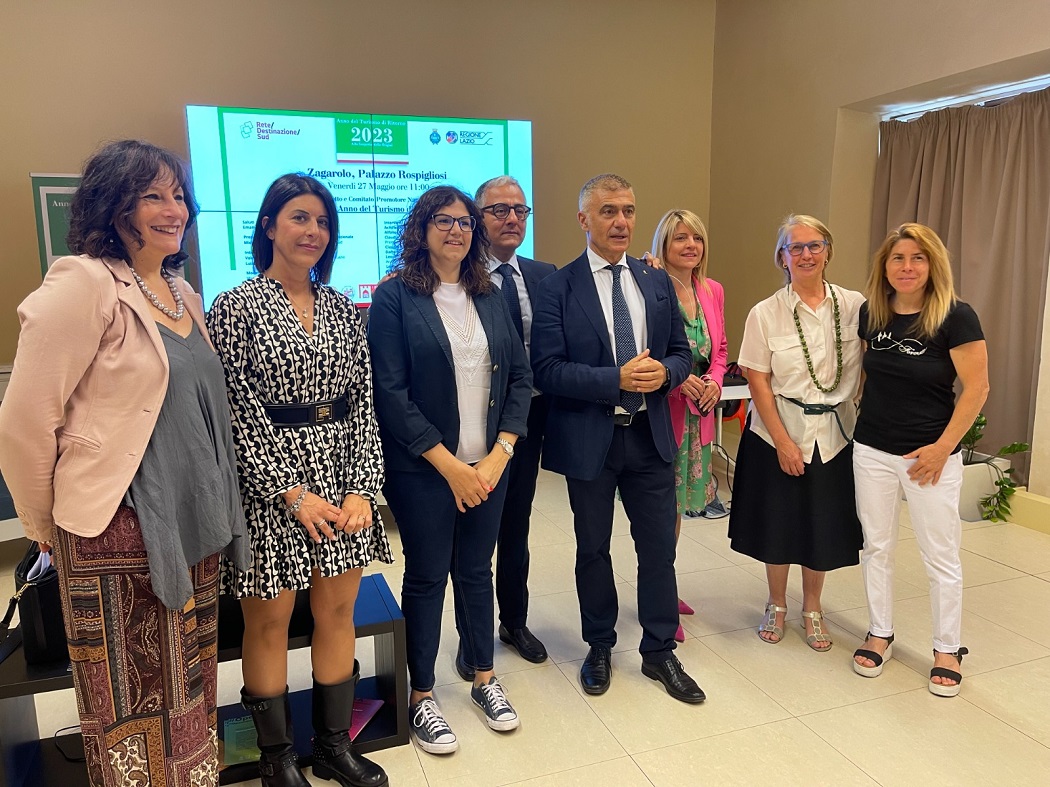
This Thursday we talked about Zagarolo a treasure trove of history and charm for all tastes, together with its Mayor Emanuela Panzironi! A town that we are...

If you think of Lazio, large emigrations abroad do not immediately come to mind. Most of the towns of Lazio were attracted by the capital Rome which tripled...
Recipes 

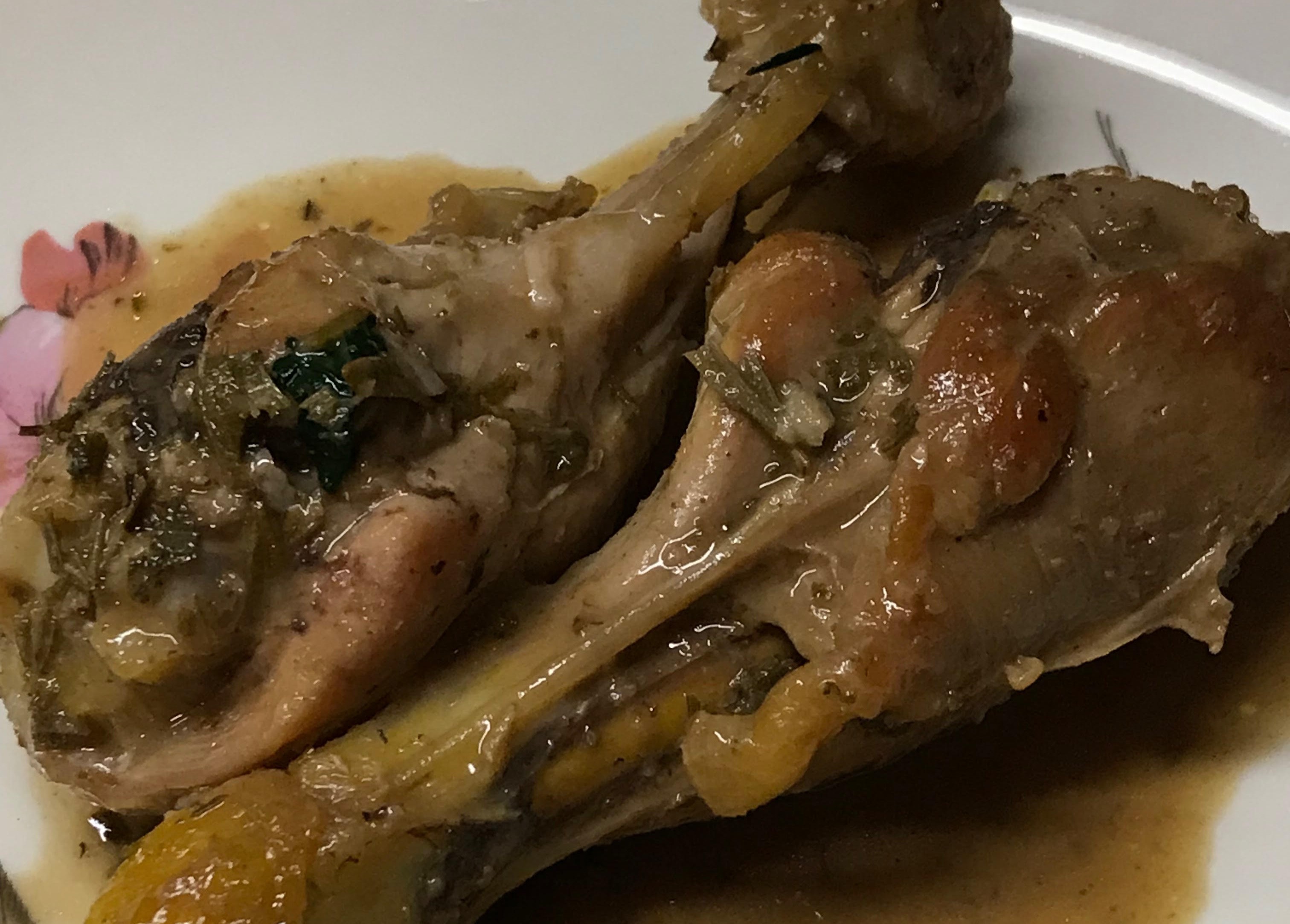
Every town has its own cacciatora and this is a fact. I have been around Italy far and wide and I have not eaten two the same. Above all in central...
Town Ambassador
Discover your italian Roots


Subscribe to Newsletter

Discover a territory through the emotions of the people that have lived it.