Churches & Places of Worship

Poli. Church of St. Peter Apostolico

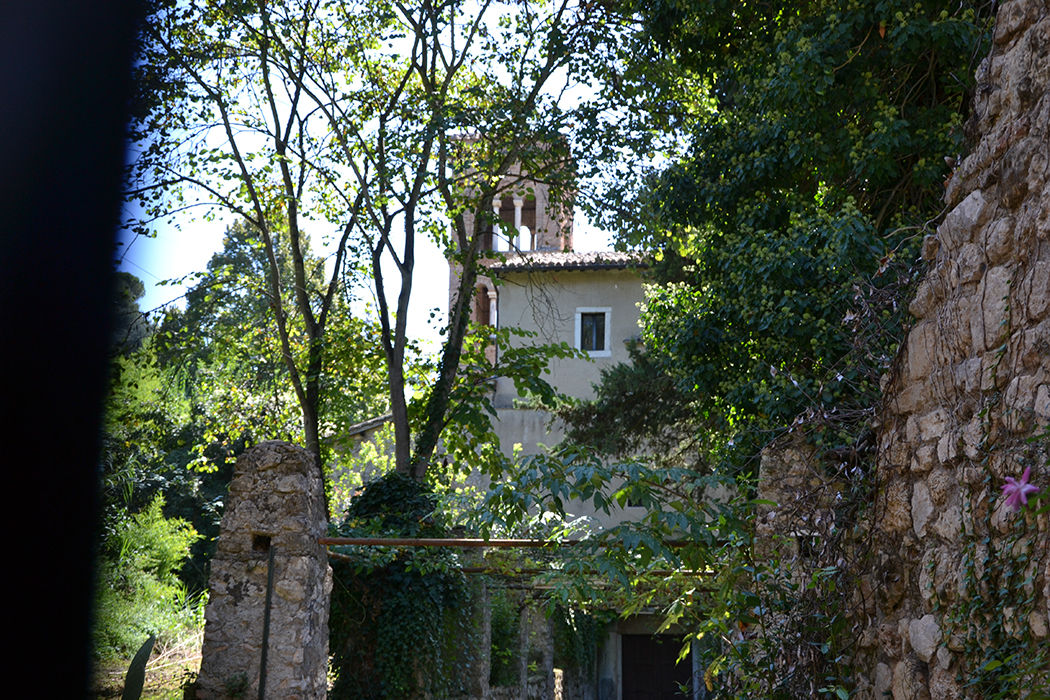
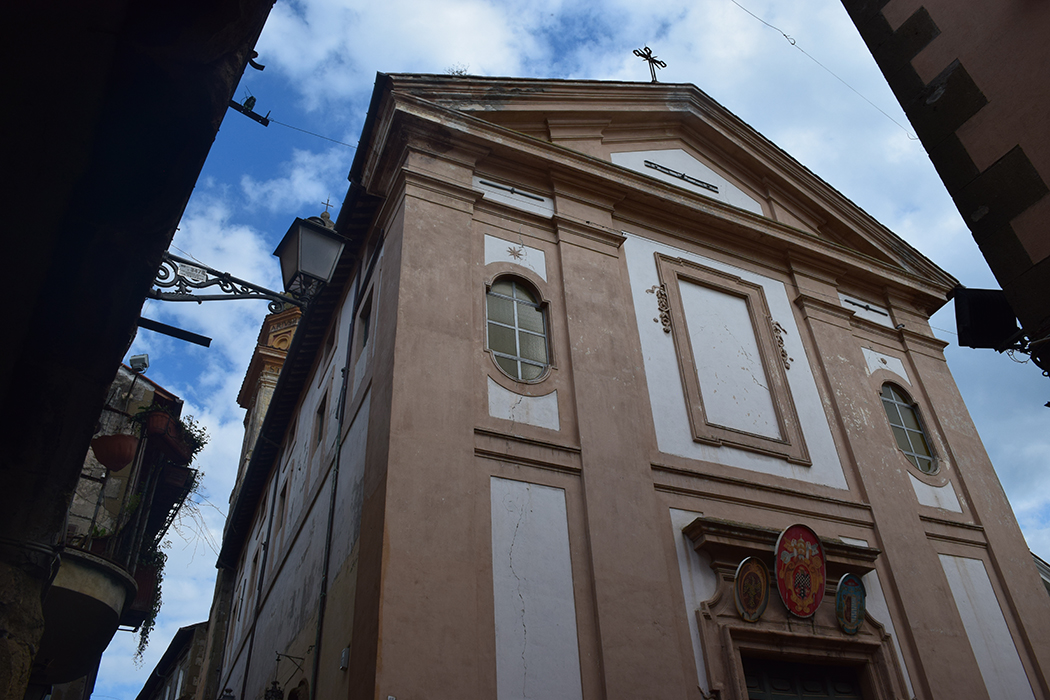
In the main street of Poli there is the church of St. Peter Apostol with its magnificent bell tower.

The facade is neoclassical and very geometric.

The interior of the church has a nave rebuilt in 1600, and is rich in decorations of gold and colored stucco and ornaments.

The six side chapels have elaborately carved altars.

Behind the main altar there is an apse with a large fresco while above the entrance a beautiful wooden choir worked with an organ.

Inside it houses interesting paintings of the fifteenth and sixteenth centuries

powered by social2s
Pisoniano. Church of Our Lady of the Snows

The church of Our Lady of the Snows in Pisoniano is built in the eighteenth century.

It owes its name to the image on the main altar, carried out following the model of that venerated in Santa Maria Maggiore in Rome.

The church was an important place of religious acceptance and prayer for pilgrims heading to the nearby sanctuary of Mentorella.

For this next to the sacred building stood, until the eighteenth century, a small hospice to house the travellers.

powered by social2s

The earliest records of the church of Santa Maria del Gonfalone in Palombara Sabina date back to 1343.

It has an original Romanesque style, although the façade was subsequently modified in 1770, in baroque style.

The portal has a frame in marble on which is located a border at the foul line. The facade is completed by a porthole window that replaces the classic rosette.

The interior has a nave with two side chapels. In the space behind the altar is an Annunciation, tempera on panel attributed to Antoniazzo Romano.

powered by social2s

The collegiate church of San Biagio dates from the twelfth century and is the oldest in Palombara Sabina.

It has been renovated several times and the marble facade is in Romanesque style with an entrance staircase.

The interior has three naves with side chapels.

The apse is decorated with a fifteenth-century painting of the Madonna of the Snow attributed to Antonio da Viterbo.

Above the apse there is a fresco depicting the apotheosis of San Biagio.

powered by social2s
Palombara Sabina. Abbey of Saint John in Argentella

Probably the first group of the Abbey of Saint John in Argentella in Palombara Sabina are Byzantine of the fourth century, built on an existing Roman building.

The monastery was functioning in the eighth and ninth centuries, during the flowering of monasticism in Italy and of the Benedictine order, when Sabina was donated by Charlemagne to Pope Hadrian I.

The architectural changes to the buildings makes it difficult to trace the true story because the changes were made by reusing old materials.

The church and the crypt are Romanesque.

The "in Argentella" denomination is due to the presence of a spring in the valley, which was probably nearby. A source of water still flows into the underground crypt.

This water was considered therapeutic and miraculous and, according to tradition, the people bathed there on June 24, the feast day of San Giovanni (St John).

powered by social2s

The church of Santa Maria del Pozzo in Nemi is one of the largest in the Castelli Romani.

It owes its name to the chapel of the castle probably built near a well.

In the early nineteenth century, following the restoration of the facade, the actual inscription placed on the pediment reads:

Deo et beatae Virgini in Coelum Assumpatae.

The church organ is from 1847 and was brought from the Altar Coeli in Rome.
 

powered by social2s

The church of St. Antimo in Nazzano dates from the tenth century.

It was built on the ruins of a Roman temple on a circular plan, even though the church has a Latin cross plan.

In the twelfth century the aisles and a portico with four columns were added.

Inside the apse are frescoes attributed to the school of Antoniazzo Romano.

powered by social2s

The convent of Santa Maria delle Grazie in Morlupo is also known by the name of "Convent of Santa Maria Second" for a wooden panel depicting the Madonna with child, believed to be the 'second' Madonna painted by St. Luke.

The first monastery was built by the Clareni, or Fraticelli because they vowed to poverty, who built it in the thirteenth century.

Angelo Clareno (1245 - 1337) was a Franciscan friar of great learning who was excommunicated and then founded his own community that can be considered an independent Franciscan order.

The convent of Santa Maria Second incorporates this first structure and was recognised from 1494 as a Franciscan convent.

In the fresco on the right wall of the church is visible an image of the old Clareno centre. The monastery is built around the small cloister with a central well that still functions.

The convent was then expanded in 1628 when the aqueduct was built and, from 1636, for several years, San Carlo da Sezze trained here.

powered by social2s

Recommended

Subscribe to Newsletter

Discover a territory through the emotions of the people that have lived it.