Churches & Places of Worship

Church of the Holy Cross

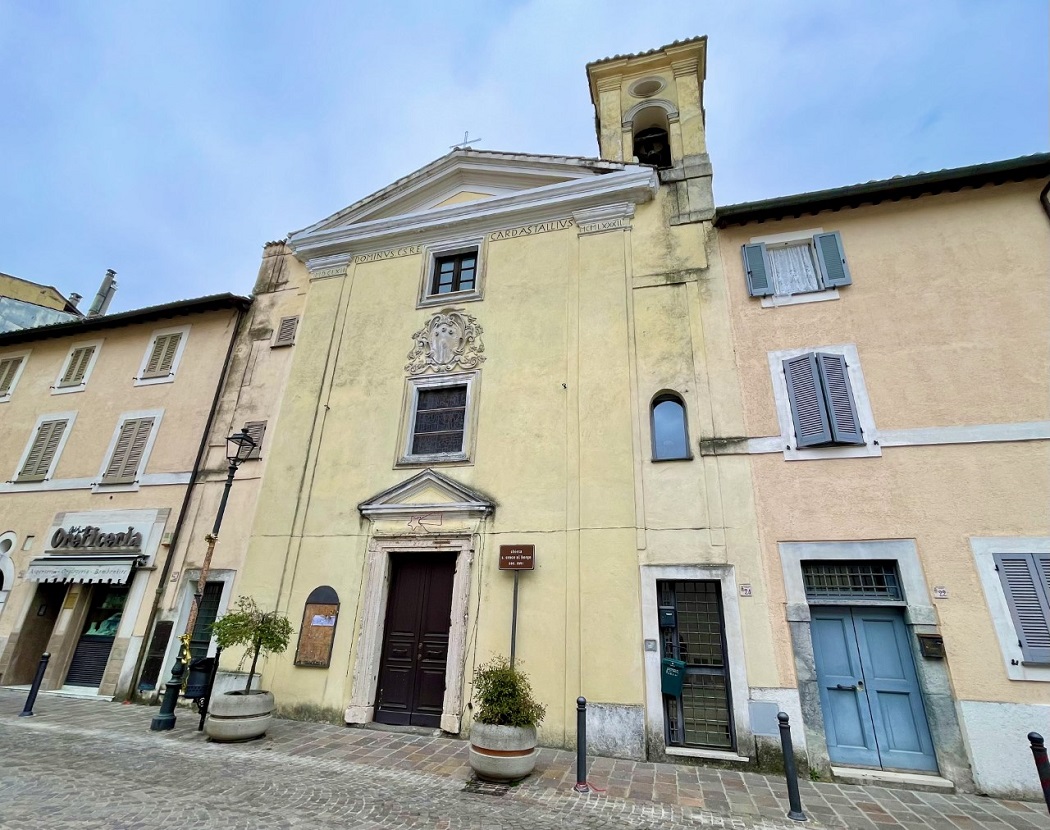
The church of the Holy Cross - Santa Croce is located in via Theodoli, the main street of Sambuci designed by Cardinal Astalli during the urban planning of the seventeenth century.

The current building dates back to 1662 probably by the cardinal and the family crest with three balls is clearly visible on the entrance door of the church facade.

The facade is plastered and ends with a tympanum, while the entrance door is enriched with marble friezes. On the right side of the facade there is a small bell tower which ends with an oval window in the Baroque style.

The interior has a single nave with side altars and a crucifix above the main altar to be admired.

powered by social2s
Church of St. Peter
Church of St. Peter

The church of St Peter - San Pietro is the oldest in Sambuci and preserves the relics of Saint Celsus, the patron saint of the village. Its foundation is due to the Benedictines, the religious order founded by Saint Benedict which had its heart in nearby Subiaco and was originally dedicated to Saint Sylvester.

The church is located in the medieval village not far from the castle and was renovated in the eighteenth century, as can be seen from its neoclassical facade and the coat of arms of the Astalli family who are responsible for the architectural and urban reorganization of Sambuci.

The interior has a single nave with a flat ceiling decorated with scenes dedicated to St. Peter the Apostle and ends with the altar area covered by a barrel vault and an apse.

Above the entrance area there is a choir loft with a seventeenth-century organ.

powered by social2s
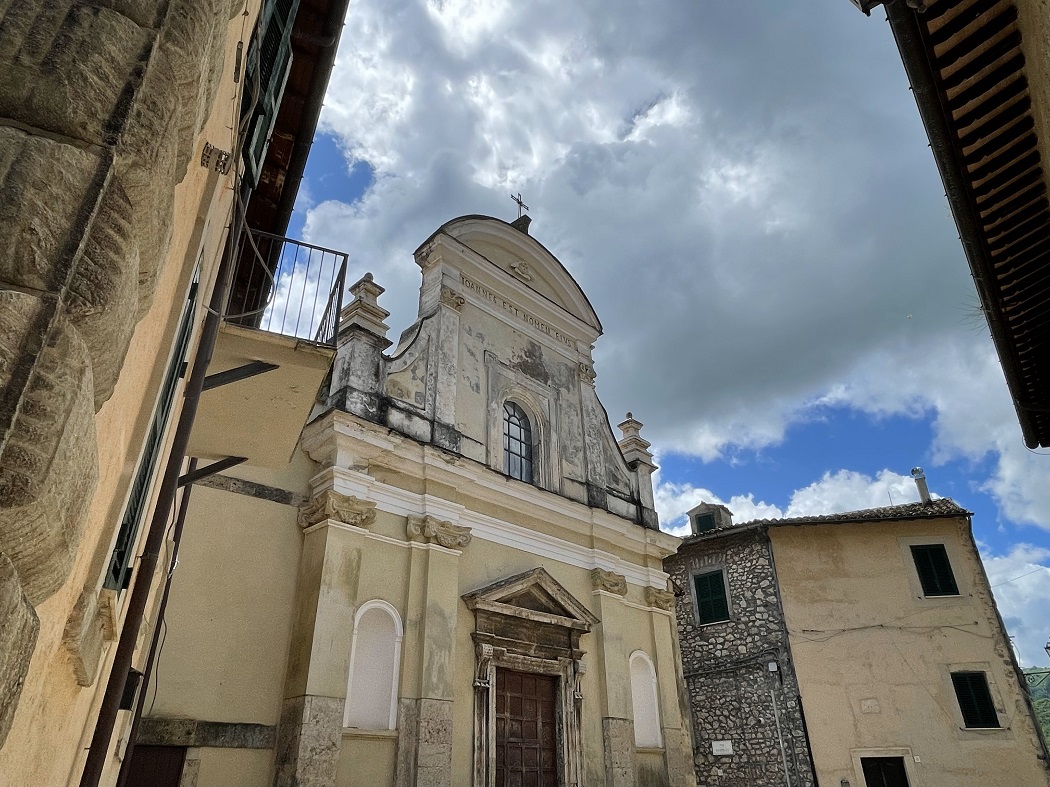
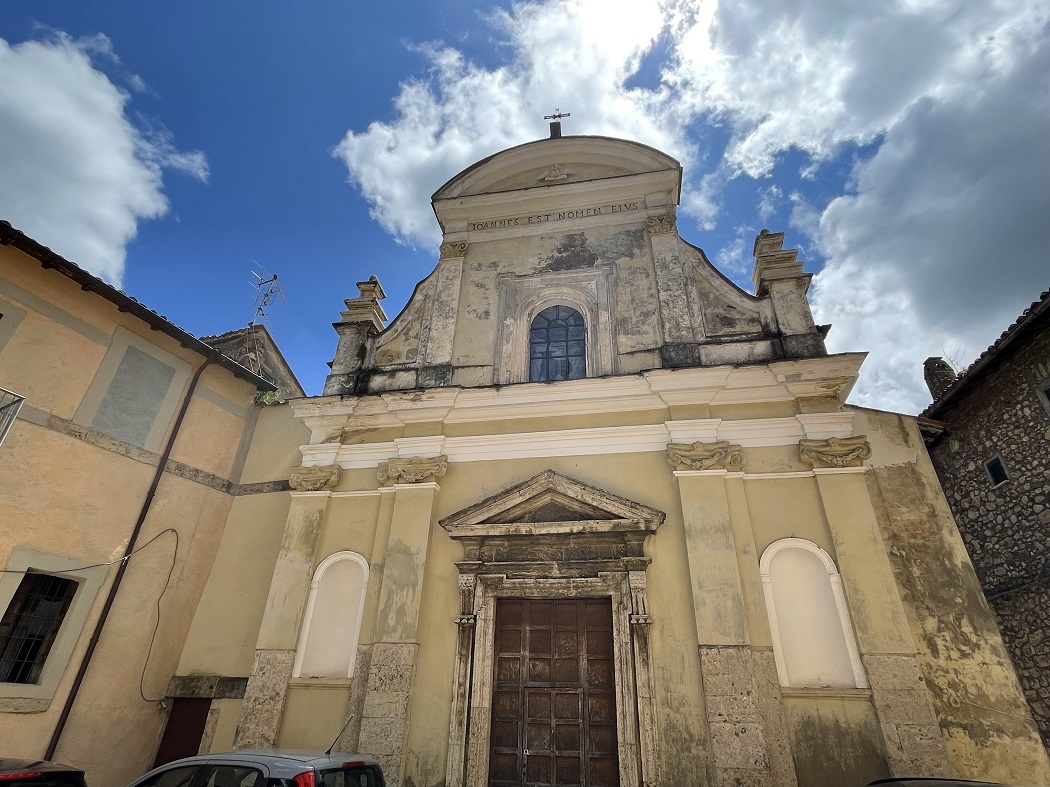
Sacrofano. Church of San Giovanni Battista

The church of San Giovanni Battista in Sacrofano dates back to the Middle Ages.

It was remodelled in the late fifteenth century.

It has a Romanesque bell tower dating from the twelfth century.

Inside there is a beautiful marble holy water font, an altar in coloured marble, a Renaissance ciborium and precious wooden ceilings.

The church has an irregular plan with a single nave with side niches and a carved wooden pulpit, dated 1641.

In the vestibule of the church there is a large bell that was cast in 1357 in honour of the liberation of the city 'from the tyranny of the princes'.

The bell in the bell tower worked for 442 years, until it was broken in 1799 and put on display in the church.
 

powered by social2s
Ruins of the church of Santa Maria dell'Oliva by Alessandro Pesce
Ruins of the church of Santa Maria dell'Oliva

The earliest records of the church of Santa Maria dell'Oliva in Roviano and its monastery show that they were built at about 867.

They were damaged by Barbarians and Saracens.

In 1223 the church was donated to St. Francis during his visit to the Sacro Speco of Subiac.

The Franciscans enlarged the building.

The convent was closed in 1653 and in the church were buried the dead of Roviano.

Today only some ruins remain.

powered by social2s
Church of St. John the Baptist Beheaded

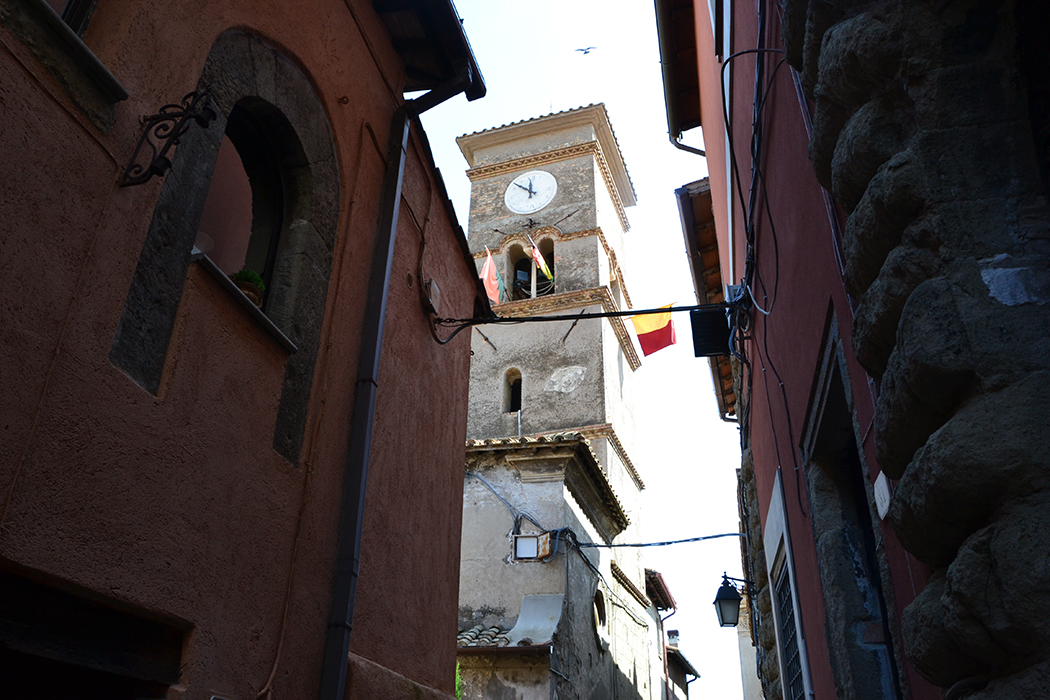
The church of St. John the Baptist Beheaded - San Giovanni Battista Decollato is located in the center of Roviano near the Brancaccio castle. It was probably originally the chapel of the castle but its current form dates back to a period between 1606 and 1709.
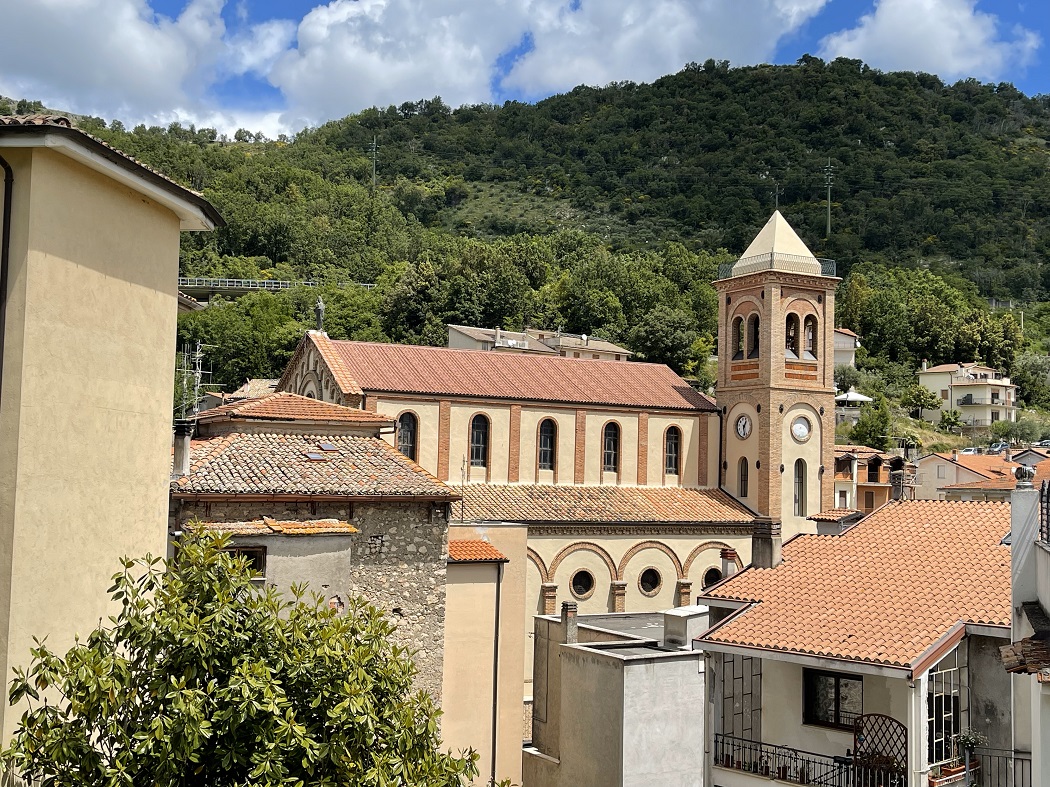
The church is located in a small square and has a Baroque-style facade with a small bell tower at the back of the building.

The interior has a single nave with five altars and has a wooden roof with decorated coffers.

The Baroque-style main altar is located in a raised area covered with a cross vault. It is decorated with a canvas that represents St. John the Baptist Beheaded, i.e. decapitated and under the altar are the remains of St Fortunato martyr, killed at the age of 12 by his father for his Christian faith

Above the entrance there is a choir loft.

powered by social2s
Church of Our Lady of the Holy Rosary

The church of Our Lady of the Holy Rosary - Madonna del Santo Rosario is the most recent in Roviano and the works only began in 1947, after the bombings of the Second World War had destroyed the church of Saint Anthony.

The history of the cult of the Madonna is very ancient and dates back to the cholera epidemic of 1867 when the population prayed to the statue of the Our Lady of the Holy Rosary - Madonna del Rosario and they were satisfied. The faithful then turned once again to the Madonna during the war and when the church that housed her statue was destroyed, they decided to dedicate a religious building to her.

The first stone was laid in 1947 and the church was built in a short time thanks to the work contribution of all citizens.

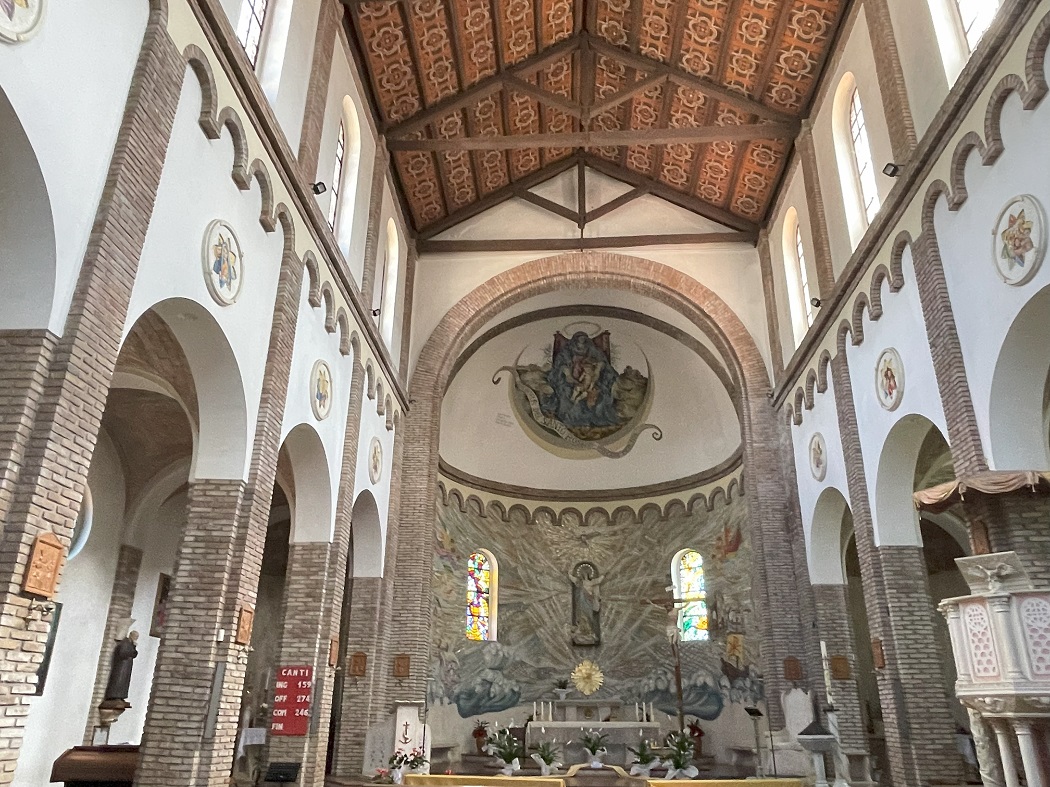
The church takes up the lines of the Romanesque style updating it to the characters of the twentieth century and is made with bricks, used to decorate the facade and the bell tower, and plaster.

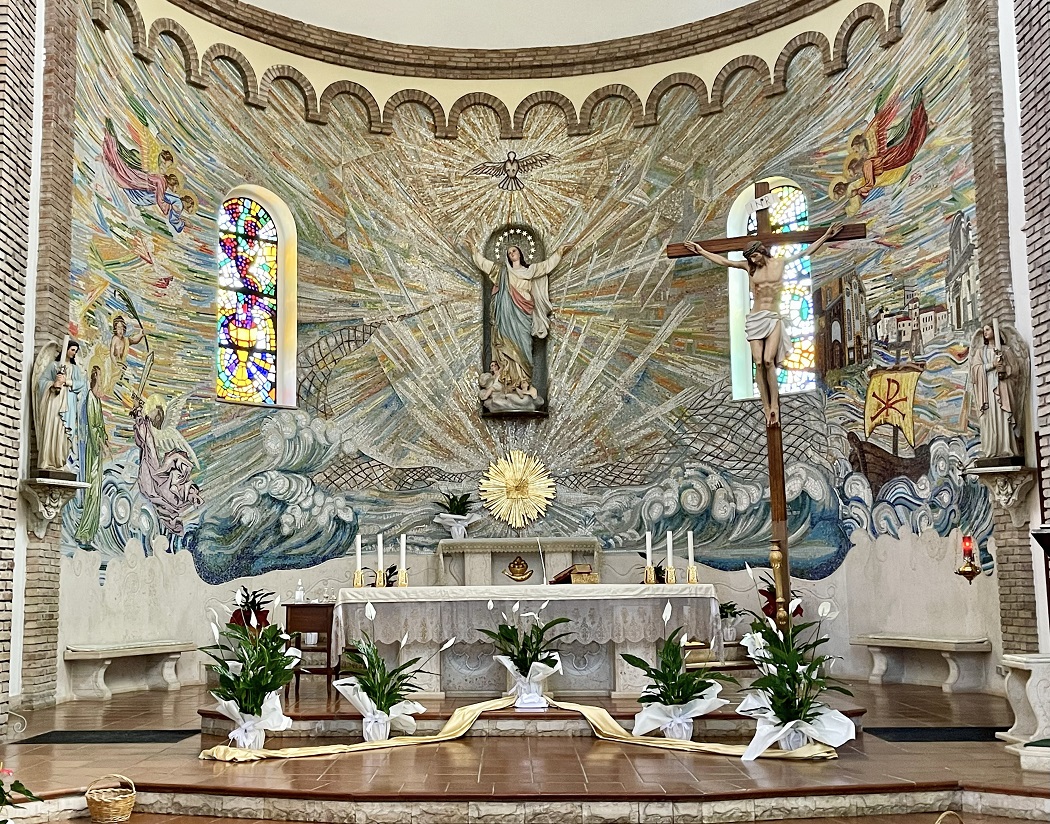
The interior has three naves and a roof with decorated wooden trusses and is modern with works by contemporary artists. The central altar is placed in an apse decorated with a large mosaic representing the descendant of the holy spirit and was created by the Ligurian artist Vittorio Venturelli.

All the openings made with glass mosaics give particular and mystical reflections to the church.


powered by social2s
Church of St. Thomas the Apostle

The ancient church of St. Thomas the Apostle in Roiate was the private chapel of the Palace of the Colonna and

It was quite small and it was demolished and rebuilt in 1565.

The interior has a single nave and various renovations have erased the frescoes.

On the sides of the nave there are four niches containing a statue of San Rocco in papier mache, a statue of Our Lady of Lourdes, a picture of the Immaculate Conception and a picture of the Sacred Heart.

Two work of art have a great artistic value: a panel painting from 1400 depicting the Holy Saviour, attributed to the school of Giotto.

The second work is a painting on canvas, from the end of 1700s, representing the Assumption of the Virgin Mary into heaven.

The choir and an organ with restored pipes are above the entrance door.

powered by social2s
Church of St. Benedict

The church of San Benedetto in Roiate was erected to enclose a hollowed stone boulder.

According to an ancient tradition, the saint left the imprint of his body on this boulder after resting one night on the site.

In certain periods or circumstances, the boulder exudes small drops of liquid.

The faithful attribute miraculous powers to these drops which are portents of fatal events (the two world wars and the Irpinia earthquake).

powered by social2s

Recommended

Subscribe to Newsletter

Discover a territory through the emotions of the people that have lived it.