Churches & Places of Worship

Cori. Oratory of the SS. Annunziata

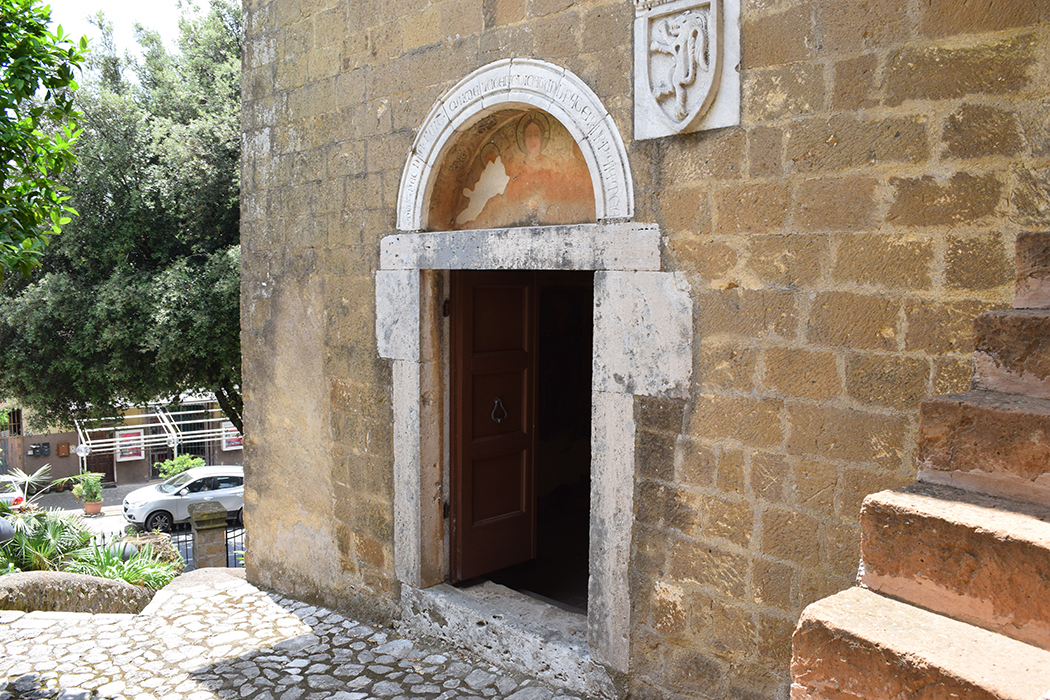
The oratory of the SS. Annunziata di Cori with its frescoed chapel is one of the most extraordinary works of the fifteenth century and is a national monument.

The oratory was a room annexed to the church dedicated to S. Crocifisso and is located along the road that connected Cori to the foothills.

From an inscription on the entrance portal we read that it was wanted by Cardinal Pedro Fernández de Frías, who governed the provinces of Campagna and Marittima.

The frescoes were made in three phases and the last ones date back to the fifteenth century. There are scenes from the Old and New Testaments and stories of local saints.

Next to the door, there is the oldest coat of arms of the Municipality of Cori.
powered by social2s
Santa Maria della Pietà

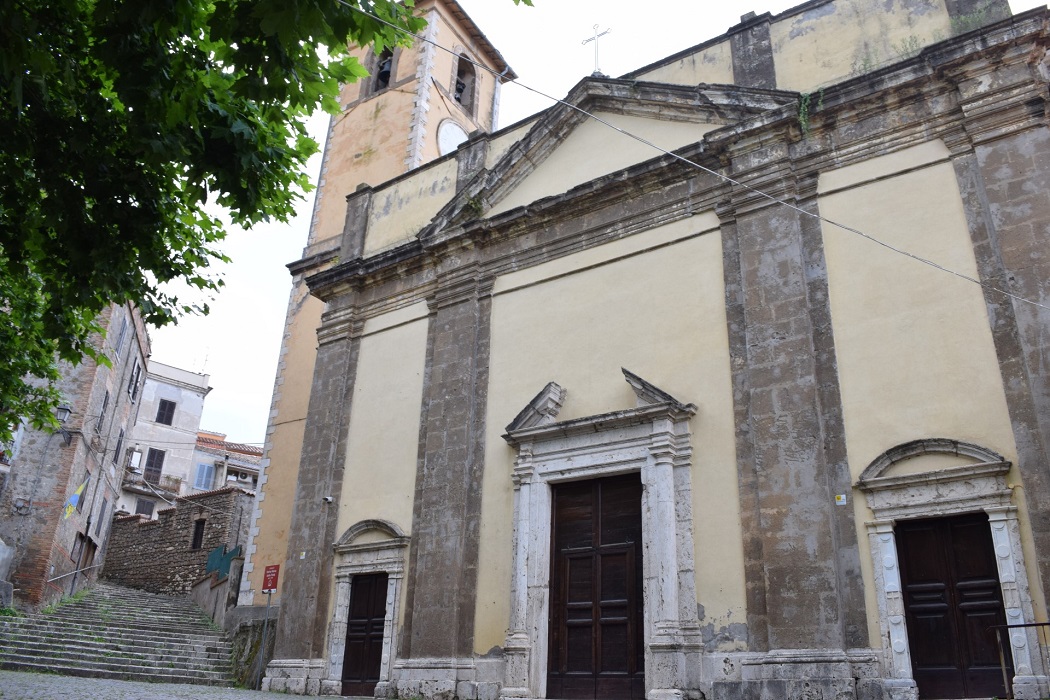
The church of Santa Maria della Pietà is the collegiate church of Cori, and was built on a Roman temple perhaps dedicated to the goddess Diana and Fortuna.

The original Romanesque building dates back to the 12th century but the church underwent a major transformation in the 17th century. Next to the church is the oratory of the Gonconone Archconfraternity.

The interior has 3 naves and contains many treasures such as a twelfth-century paschal candle chandelier which is the oldest known and was made by artists from Cassino.

Another valuable work is a 12th century Cosmatesque sarcophagus and a 16th century painting of the Madonna del Rosario.

powered by social2s

The Sanctuary of the Madonna del Soccorso in Cori dates back to 1634 and was built by expanding a previous chapel dedicated to an apparition of the Madonna.

The project is by the architect Mario Arconti and the facade has a portico with three round arches. In the 1950s, a hotel for pilgrims was built next to the church.

The interior of the church with a single nave covered by barrel vaults ending in a dome surmounted by a lantern.

On the sides of the nave there are 4 altars and just below the dome there is the door of the original Chapel of the Apparition.

The interior style is baroque, like that of the era of construction, and contains many treasures such as a fourteenth-century image of the Madonna with child, angels and Olives from the Florentine school.

A legend says that on May 4, 1521 a little girl named Oliva who went to visit her mother who worked in the fields was lost in the Cori mountains during a great storm. Oliva sought shelter under a broom and here the Virgin appeared to her and protected her and fed her for 8 days.

Just in the place where the little Oliva was found, an icon of the Madonna was also found and the same year it was decided to build a chapel to protect the painting.

So many pilgrims arrived at the place that within a century it was decided to enlarge the chapel and to build the sanctuary that we can admire today.

powered by social2s

The church of the sanctuary of Archangel Michael was built in 1358 by Nicolò Biagio di Vitorchiano after a trip to the sanctuary of Archangel Michael in the Gargano.

The very simple white façade has a simple door with a frescoed lunette leading inside which has a single nave. The church is adorned only with a statue of St. Michael the Archangel with a sword that strikes the devil and is carved in peperino and painted in gold and red.

Next to the entrance you can see a small bell gable with a bell.

powered by social2s

The church of Saint Anthony from Padua in Vitorchiano in style and the nearby convent date back to 1793 and has a Renaissance facade characterized by an entrance pronaos with three round arches. Above this atrium there are still geometric decorations that reflect the scans of the three arches.

The interior has a nave covered by a barrel vault and at the entrance there is a choir with an organ.

The church is adorned with works of art such as the nineteenth-century high altar with marble and stucco and a canvas of the Immaculate Virgin subduing the serpent.

powered by social2s

The church of St Anthony the Abbot is located in the historic center and was founded in 1406 before being entrusted to the "Confraternita of Misericordy" in 1568. The simple facade is enriched by a door and a central rose window.

The interior has a unique quadrilateral-shaped environment, the walls are frescoed and is enriched by a statue of the saint, some votive offerings and a series of sculpted and painted pulpits (including that of St. Michael the Archangel).

Today it is the seat of the Confraternities of Vitorchiano and houses the "Christs" in painted wood of the seventeenth century which are carried in procession on the most important religious celebrations.

powered by social2s

The medieval church of Saint Mary Assumption in Vitorchiano, with its Romanesque bell tower, is the oldest in the town.

You enter through a simple facade or through a particular side door in Gothic style with a finely worked stone tympanum with the symbol of the Eucharist in the center and which protects a fresco of the Virgin.

The interior has a nave and near the altar there is a choir with a seventeenth-century organ on a stone balcony decorated with geometric motifs.

The church houses many works of art including 16th-century frescoes, such as the Madonna enthroned with child, 17th-century canvases and a 16th-century peperino baptismal font.

Santa Maria Assunta: religious heart of the town

Santa Maria is the pulsating center of the town and along the central nave it is possible to admire the processional machine with which the image of the Assumption into Heaven is transported during the procession of August 14th along the streets of the town.

The machine dates back to the 17th century and is made of gilded and silvered carved wood. Above the base on which the statue is placed, putti can be recognized in the act of worshiping the Madonna, a stylization of clouds ending with a crown and a series of candelabra for evening lighting.

During the Easter period, then, in this church is placed the statue of the Risen Christ with a white robe and the raised arm with the cross.

powered by social2s

Recommended

Subscribe to Newsletter

Discover a territory through the emotions of the people that have lived it.