Churches & Places of Worship

The Clarisse Monastery in Città della Pieve is one of the oldest monasteries of the cloistered nuns of Clarisse.

It was formed when Santa Chiara was still living as witnessed by the foundation bull of Innocent IV issued August 9, 1252.

The grand parchment of the bull is kept in the sacristy of the church monastery.

The convent is surrounded by a high wall along which runs an avenue of oaks called Park of Remembrance.

It is still inhabited by thirty Clarisse Nuns.

powered by social2s

For six centuries, the Franciscans lived in this facility in Città della Pieve until 1860, when they abandoned it.

Today the church is dedicated to Our Lady of Fatima and the premises of the old convent there is the Oratory.

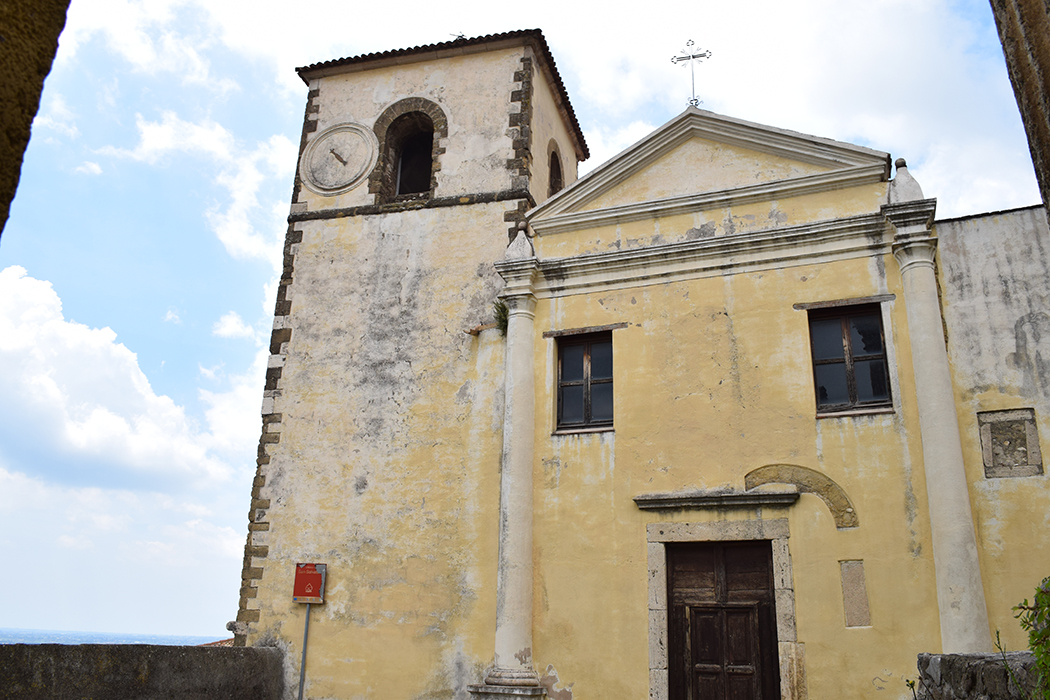
In 1280, the Franciscan fathers acquired from the Benedictine monks an oratory dedicated to St. Bartholomew with a small house and a small plot of land on which they built this convent and a spacious church, of which we know nothing of the structure. In fact, this church was destroyed in 1776 with the exception of facade, left in the original up to the rose window and in its total height.

Inside, the church was completely renovated in the style of the time and made very bright. The bell tower was built (or perhaps rebuilt) in 1600 as readable by the date engraved on a brick.

Of the original convent remains one wall in which you can still see very small windows in correspondence of the cells of the monks. In the fifteenth century, because of the growth of the Franciscan religious community, three sides were destroyed to allow increasing the breadth and length of the complex and to create inside the courtyard a new porch where the ancient oratory of San Bartolomeo was maintained.

In 1426, San Bernardino da Siena had stayed in Castel della Pieve, and inside of this very oratory established the Brotherhood of Mercy that remained there until 1567.

Subsequently, the Oratory became the refectory of the Franciscans.

Inside you will find "The Crucifixion of Jesus", an important fresco popularly known in Italian as “Il pianto degli angeli”, (The Tears of the Angels), the only survivor of a painting cycle that almost certainly was in the same convent. Unfortunately the blue background above disappeared leaving visible the dark colour of the underlying preparation.

It is a painting by the Sienese Jacopo di Mino del Peillicciaio, from the second half of the fourteenth century. He was one of the more important popularizers of figurative techniques of the Sienese masters Ambrogio Lorenzetti and Simone Martini.

powered by social2s

The cathedral of Città della Pieve is dedicated to Saints Gervasio and Protasio, Milanese martyrs, whose remains were found in 326 A.D. by Bishop Ambrose, and who became the object of special veneration locally, and then, patrons of the city.

It is the oldest church and is located at the highest point of the city.

It was founded originally on a pagan temple and then on an old pieve church (that is a church with the baptismal font) probably built around the eighth century AD.

There are substantial remains in the mighty stone columns supporting pointed arches, dating from the early thirteenth century.

The church has undergone continuous transformation to become the first Collegiate and then Cathedral in 1600.

Inside one can find sixteenth-century works of Antonio Circignani known as Pomarancio, Salvio Savini, Giannicola di Paolo, and Domenico di Paride Alfani.

Of most note is that of Pietro Vannucci, known as Perugino: The Baptism of Christ and the Madonna in Glory with Saints.

Pomarancio painted the walls of the tribune and the canopy of the choir but his paintings were damaged by lightning (1783) that struck the church to the extent that what remains today we can only see the glory of the Saints on the apse.

In the apse, above the choir, you can admire a painting by Pietro Perugino depicting Our Lady of the patron saints Gervasio and Protasio, who are holding two battle standards (oriflamme) with the ancient coat of arms and the S.S. Peter and Paul.

powered by social2s

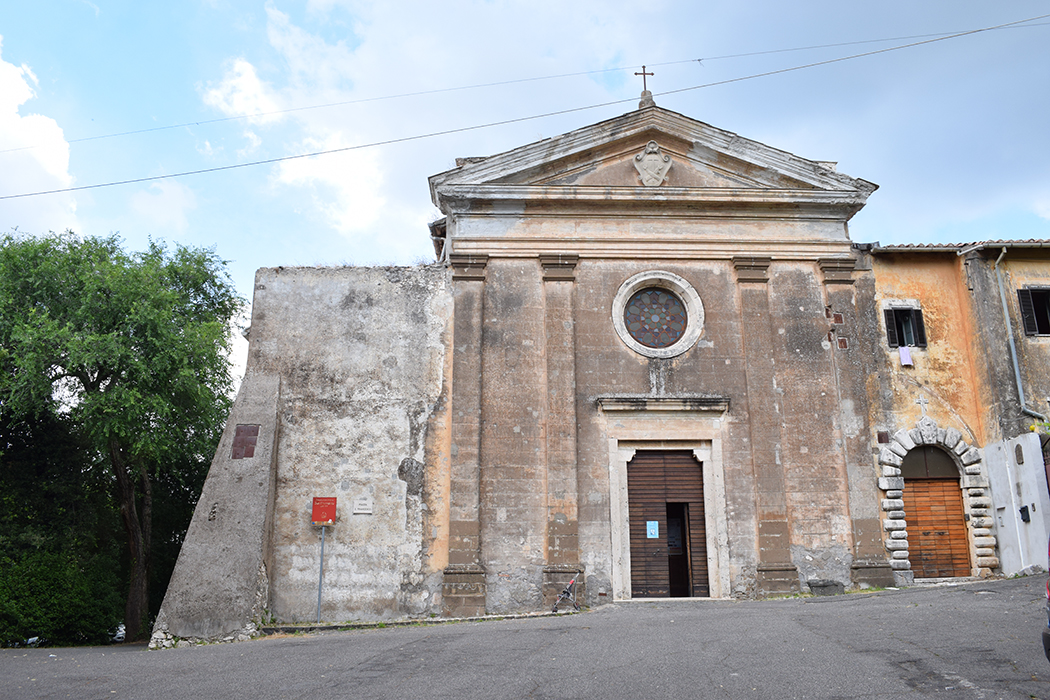
The rural Church of the Madonna della Consolazione of Cori is located near the cemetery, along the road to Artena, also called "Madonnella".

The building dates back to 1616 and in 1706 a particular prodigy occurred which is remembered every year on the night of August 14 and the day of the 15th with a particular procession.

Legend has it that Blessed Antonio Baldinucci showed the population an elm tree that lost leaves in quantity, and that according to him symbolize the descent into hell of the souls of sinners.

The phenomenon stopped only when the Blessed Baldinucci shouted: "Enough!".

powered by social2s
Cori. Church of the SS. Salvatore

The church of SS. Salvatore di Cori is located on the temple square and dates back to the Middle Ages.

It was later renovated in the 16th century.

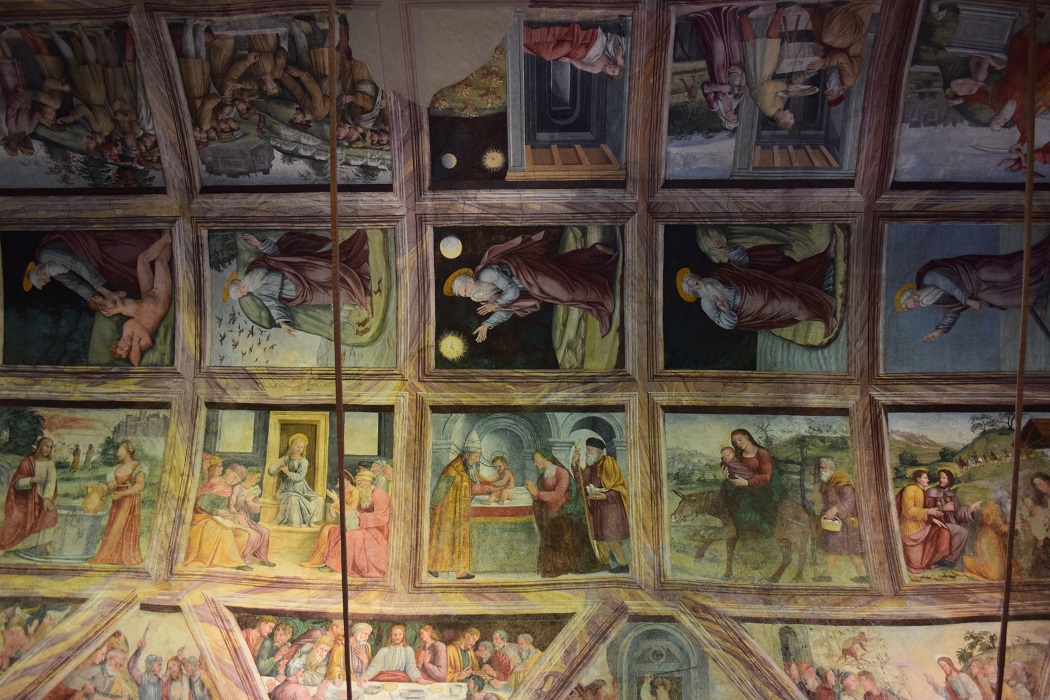
Inside there are valuable works of art such as two frescoes by Anastasio Fontebuoni, the Adoration of the Shepherds and the Adoration of the Kings, a fresco by G.B. Ricci representing the Circumcision of Jesus and two paintings in the chapel of the Madonna del Carmelo.

All the works date back to the early 1600s.

powered by social2s
Curch of Sant'Oliva
Curch of Sant'Oliva


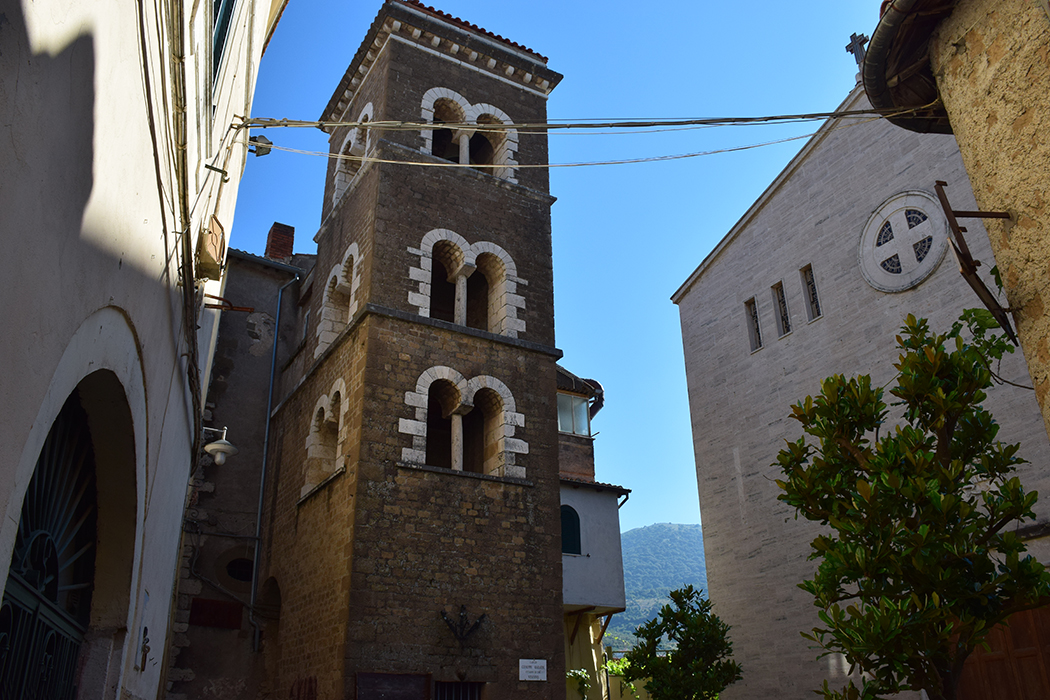
La Chiesa di Santa Oliva di Cori risale al XII secolo in stile romanico e aveva la forma delle basiliche romane con 5 navate, di cui oggi ne restano 4. Forse era stata costruita sopra i resti di un antico tempio romano del III secolo AC dedicato a Giano.

powered by social2s
Cori. Church of Saint Francis

San Francesco passed by Cori in 1223 and in his honour in 1521 a church and a convent were built, with a cloister in local stone, for the Franciscan fathers.

The Church of San Francesco of Cori was restored in the 17th century in the Baroque style of the time.

Inside you can admire the coffered ceiling made by Luigi Guarnirei and the painting depicting San Carlo Borromeo by Niccolò Pomarancio from the early 1600s.

powered by social2s

Recommended

Subscribe to Newsletter

Discover a territory through the emotions of the people that have lived it.