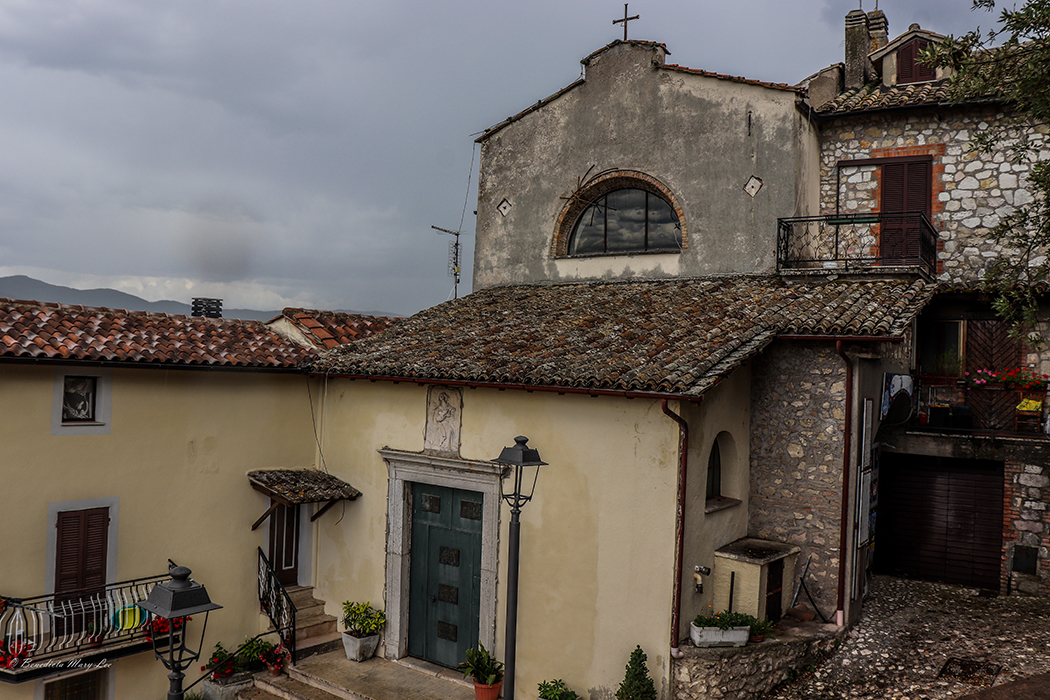
Churches & Places of Worship

The cathedral of Santa Maria in Sermoneta dates back to the 12th century and was probably based on the ruins of a temple dedicated to the goddess Cybele.

In the thirteenth century it had its first transformation, perhaps by the architects of the nearby Abbey of Fossanova, which gave it the current Gothic appearance.

You enter the church through a Gothic portico with two arches and covered by a cross vault.

On the entrance door, you can see a lunette frescoed in the fifteenth century with the image of the Virgin with Child.

The interior has three naves, all covered with cross vaults that end with a square-shaped apse and the choir.

The 1452 altarpiece of one of the side chapels is attributed to Benozzo Gozzoli and represents a Madonna degli Angeli.

Among the other works is a sixteenth-century Madonna of the Neapolitan school who nurses the Child, near the entrance a fresco of the Last Judgment of the fifteenth century.

A wooden crucifix of the fifteenth century in the chapel of the Magi.
powered by social2s
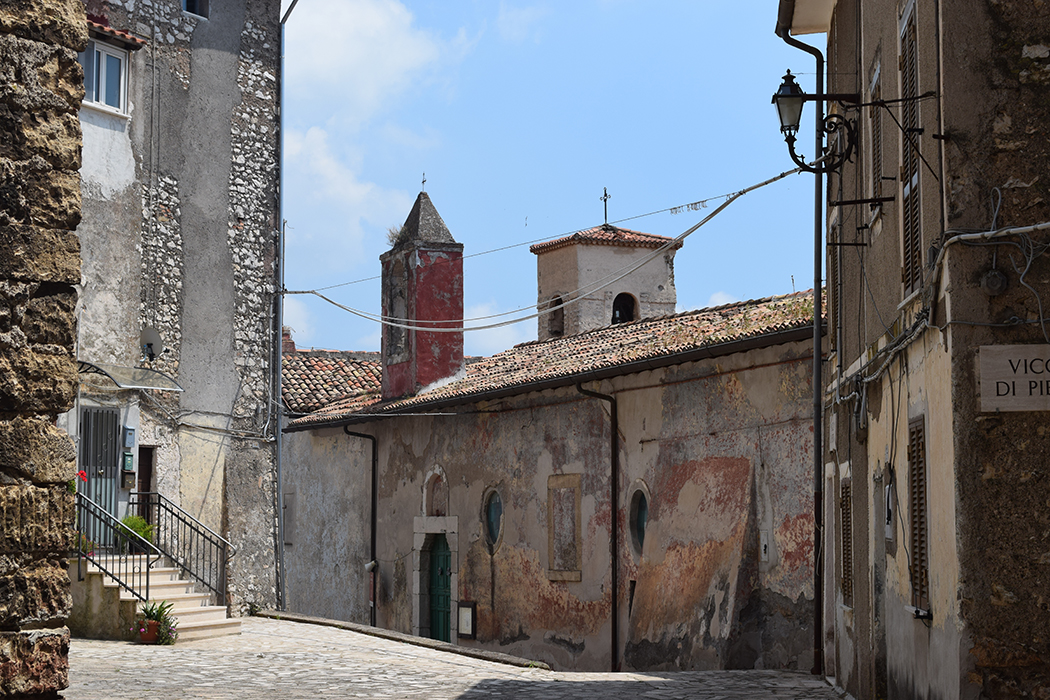
Norma. Church of San Rocco

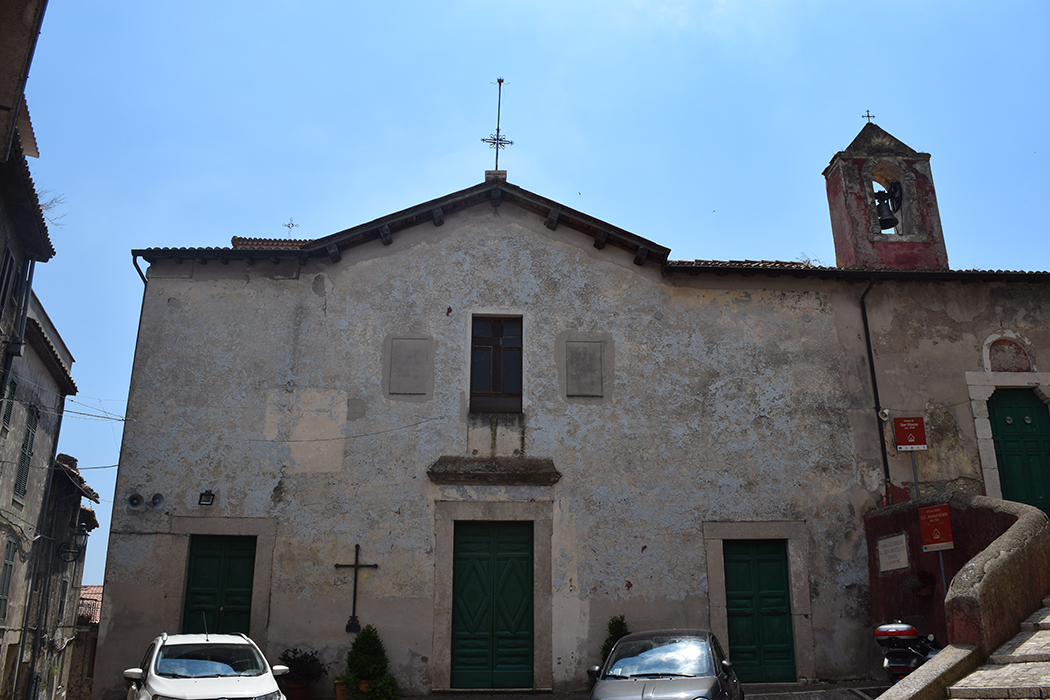
The church of San Rocco is located in the highest part of the village in what was once the courtyard of the castle of Norma.


The initial structure dates back to the Middle Ages but then underwent modernization and changes in the eighteenth century.

The entrance door is adorned with a white stone frame with some carving in the upper part.

Above the door one recognizes a frescoed lunette but the subject represented in the drawing is not distinguishable.

The church is attached to the SS. Annunziata.

A bell tower with a bell complete the facade.

powered by social2s
Norma. Madonna del Carmine Church or New Church

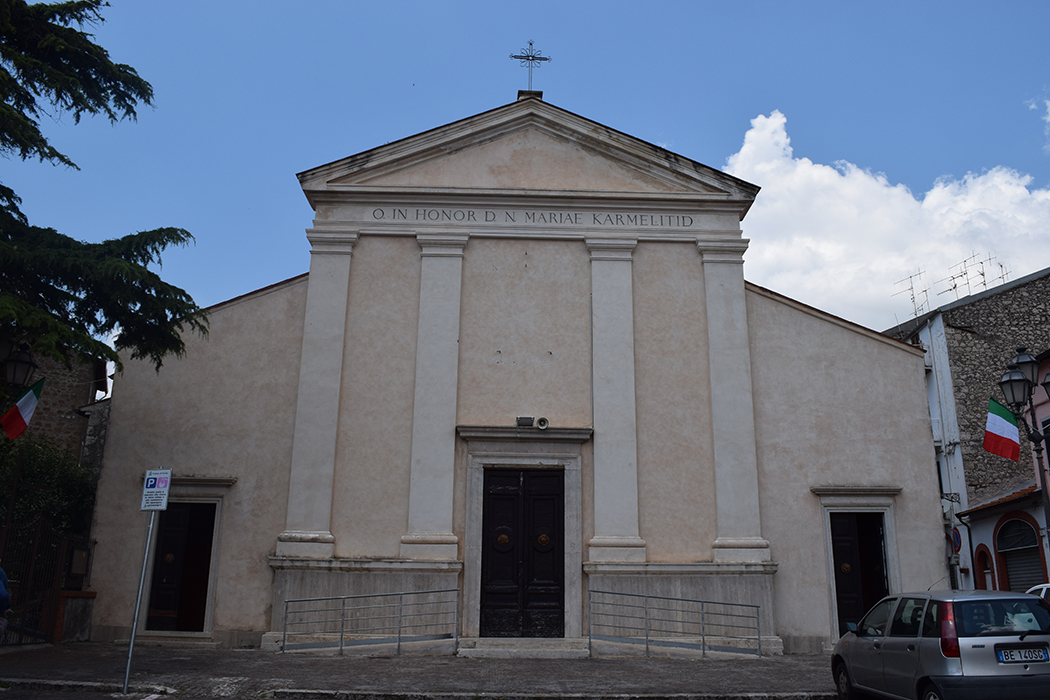
The Madonna del Carmine Church is located outside the medieval centre of Norma and was built in the nineteenth century, which is why it is known as the New Church.

The simple façade recalls that of a Roman temple with an addition of two side wings.

It has three entrance doors framed in marble with openings that correspond to the three internal naves.

The central nave has a frescoed vaulted ceiling and ends with an apse.

The interior light is given by a series of openings both in the vault and in the apse.

The simple style of the church is enriched by side frescoes of fake marble and statues of saints including San Rocco as well as a deposed Christ.

The high altar is enriched by a neoclassical marble structure that frames a painting representing the Madonna with a child on a cloud with saints and beatified persons.

powered by social2s
Norma. Church of the SS. Annunziata or Madonna del Rifugio

The church of the SS. Annunziata or Madonna del Rifugio is located in the centre of the medieval village of Norma.

It is attached to the church of San Rocco on its right facing.

This is the highest point of Norma and recognizes the urban structure of what was to be the castle around which the village was formed.

The church was renovated in the sixteenth century.

The very simple façade has three entrance doors, which correspond to the three naves, each of which is framed by simple white stone slabs.

A window with a cross illuminates the central nave.

A slender white stone bell tower with two levels with single-light windows is located at the end of the church which stands out among the alleys of the ancient village.

A plaque on the outside recalls that in this church in 1059 Norma consecrated herself to the immaculate heart of Mary.

powered by social2s
Ventotene - Chiesa di Santa Candida by Ettore Caratelli

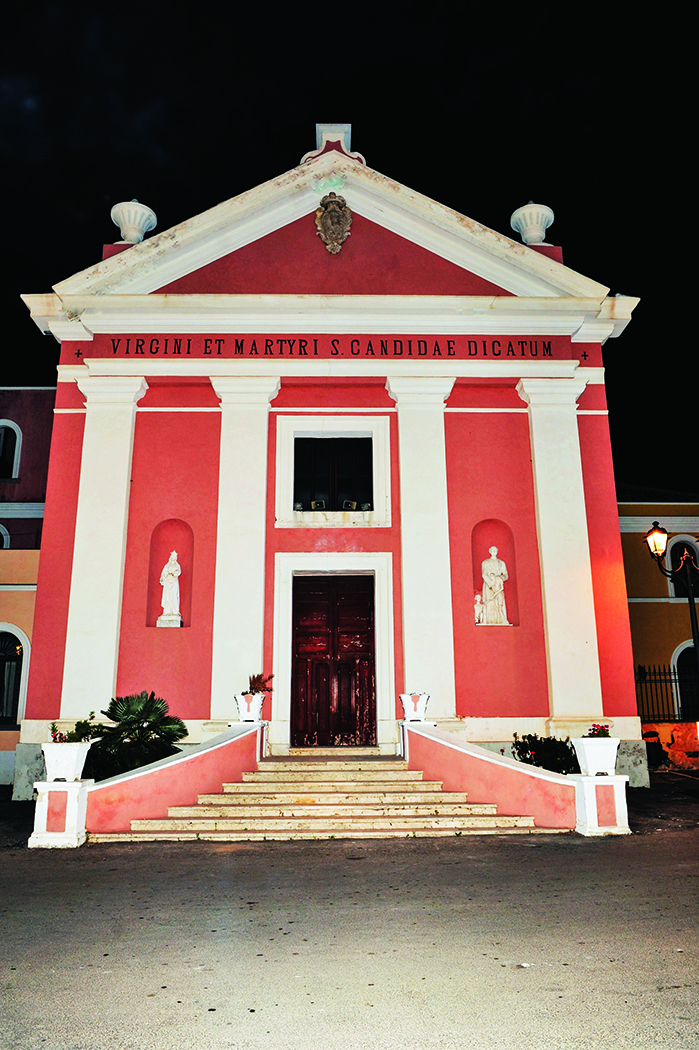
The only church on the island of Ventotene was built in the mid-18th century and is dedicated to Santa Candida, the patron saint of Ventotene.

It is in neoclassical style with a gabled roof and a simple facade decorated with 4 columns that frame two niches.

The entrance portal is highlighted by a rectangular window.

The interior has a single nave and houses the wooden statue of the saint that is carried in procession on the day of her feast.

Near the church was the college of Santa Candida.

powered by social2s
Contigliano. Church of Saint Anne

The church of Saint Anne is located on a hill at the end of town of Contigliano.

This position makes it visible from afar making it a really good reference point.

The square facade in the form of a parallelepiped is decorated with a marble friezed door, two small side openings and a framed window aligned between the door and the small bell tower.

A string course and a final frame mark the façade.

powered by social2s
Configni. Church of Santa Maria Assunta in Cielo

The church of Santa Maria Assunta in Cielo in Configni dates back to the fifteenth century.

The simple facade consists of a low body and a higher one.

As if the low body had been obtained from the closure of an access portico of the characteristic ones during the Middle Ages.

The only ornament of this body is a panel above the Renaissance portal while the upper part has a semicircular window that gives light inside.

The interior has a single nave and has a late Baroque style with walls decorated with frescoes, paintings and stuccos.

In 1882 the church was enriched by an organ that came from the monastery of San Paolo di Spoleto, when it was abandoned and the furnishings were sold at auction.

A painting depicting Saint Anthony the Abbot with a fire in his hand recalls how this is the protector of animals and capable of healing from herpes zoster, also called "fire of St. Anthony".

In this way it was also called blessed fire lit in his honor by the devotees who brought home part of the embers.

powered by social2s

Recommended

Subscribe to Newsletter

Discover a territory through the emotions of the people that have lived it.