Churches & Places of Worship

ph Claudia Bettiol
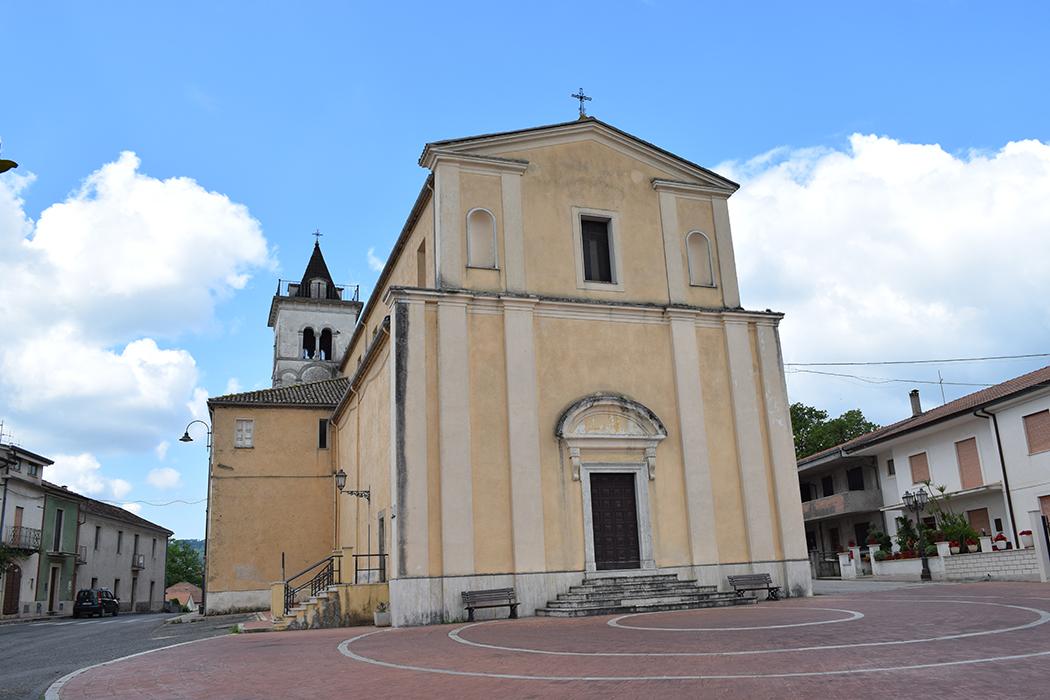
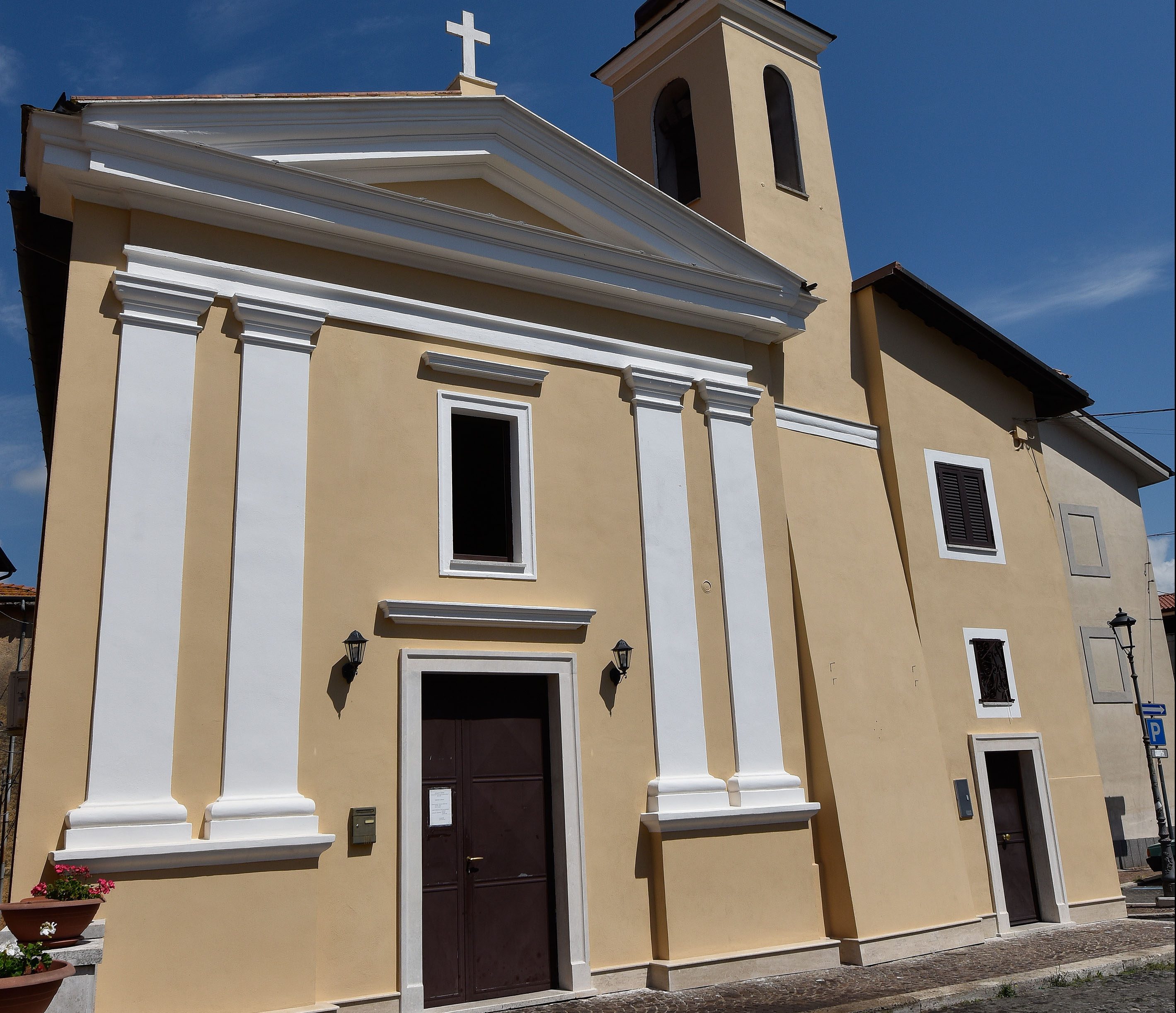
Casalvieri. Church of Our Lady of Grace

The church of Our Lady of Grace is located in the hamlet of Purgatorio of Casalvieri.

It has an imposing facade in neoclassical style with a door with a marble frame surmounted by a lunette. 

small staircase leads into the building from the square in front.

The church has a bell tower, connected by a low construction, which ends with mullioned windows and a pointed roof.


powered by social2s
ph Claudia Bettiol
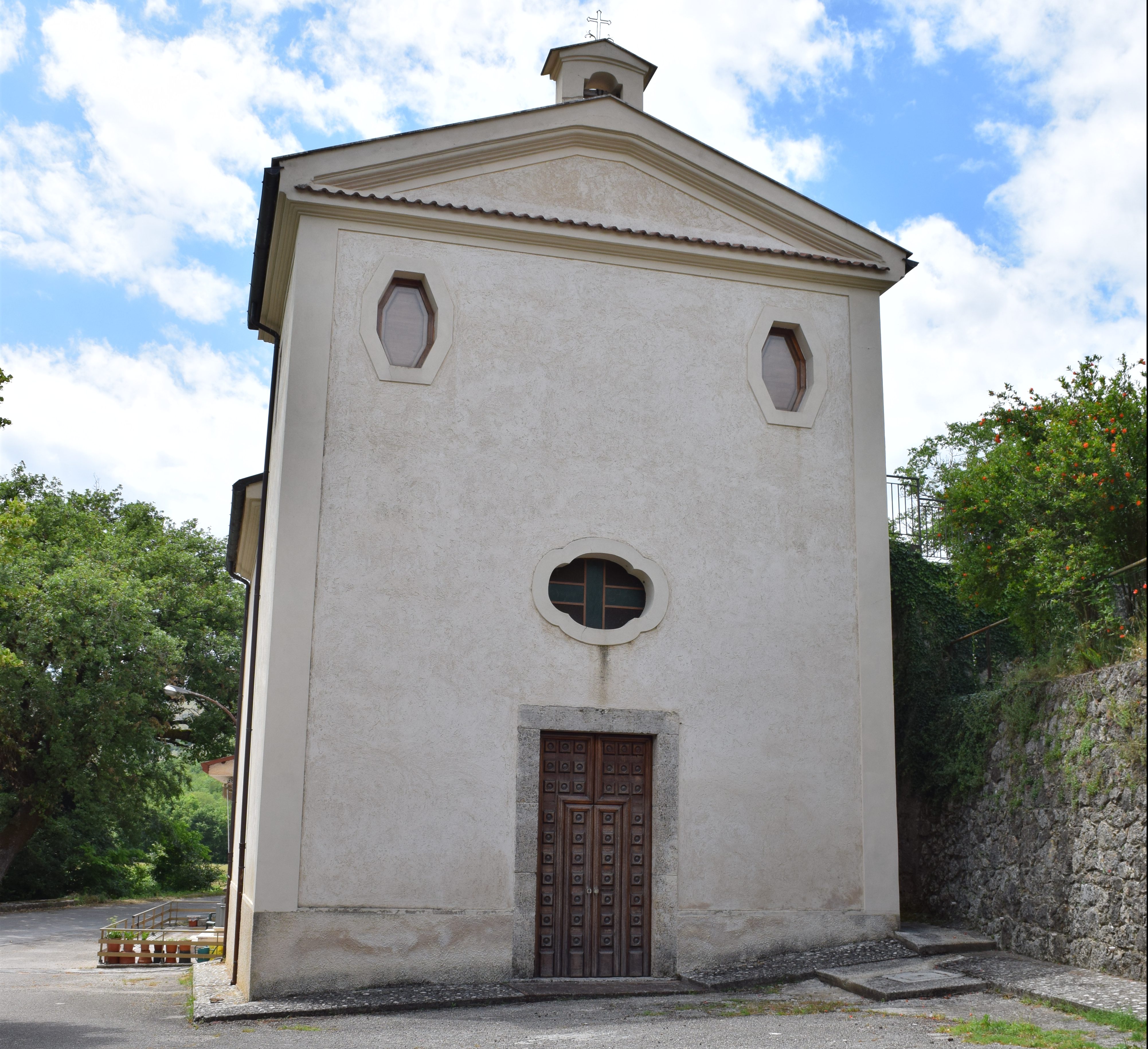
Casalvieri. Church of St. Anthony of Padua

The small neoclassical church of St. Anthony of Padua is located in Casal delle Mole, the hamlet of Casalvieri along the road that leads to Casalattico. 

The simple facade ends with a door framed by marble that has an elliptical opening and ends with a gabled roof. 

The interior is a very simple arrangement.

It is opened on the occasion of the celebrations of Sant’Antonio da Padova on 13 June.


powered by social2s
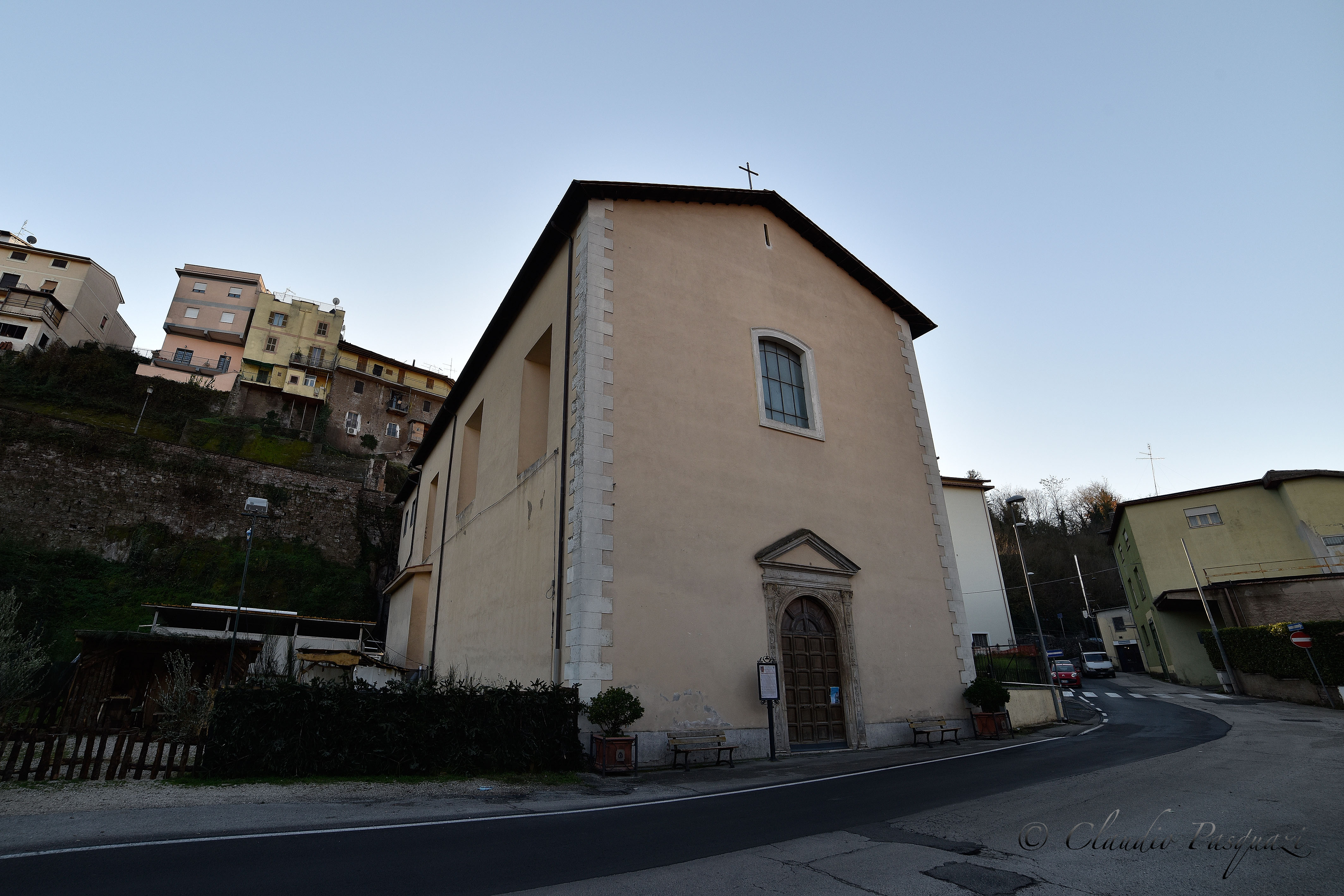
FOTO CLAUDIO PASQUAZI
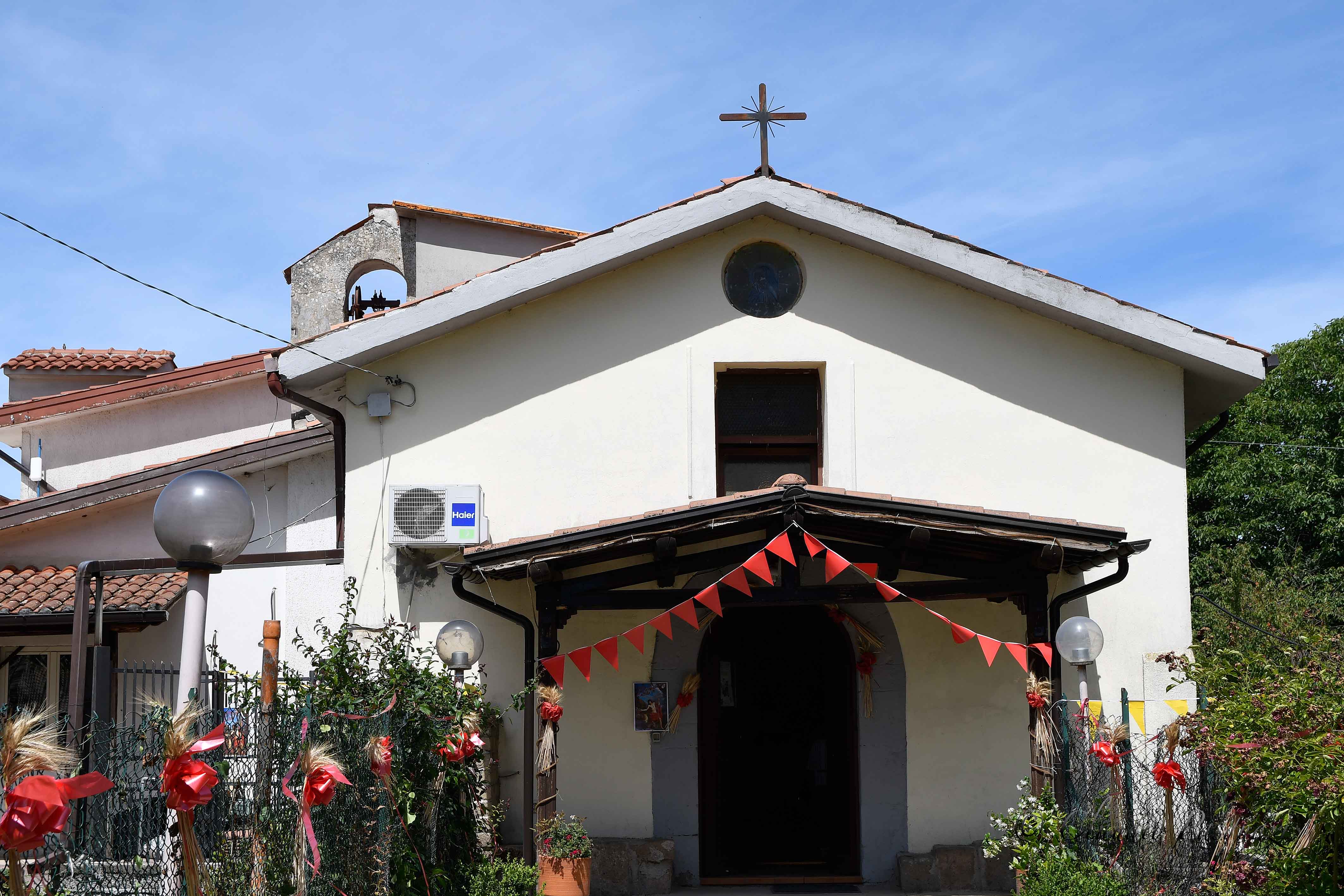
Valmontone. Church of St John in Silva

A small country church of St John San Giovanni in Silva in Colle San Giovanni in Valmontone.

It was built in the 11th century and restored several times. You can still see the frescoes of the sixteenth century, the two columns of the eighth century, which support the canopy above the altar, and a precious holy water stoup from an uncertain period.

Remains of seventeenth-century frescoes, removed for conservation reasons, are visible in the Air Room of Doria Palace.

powered by social2s
FOTO CLAUDIO PASQUAZI
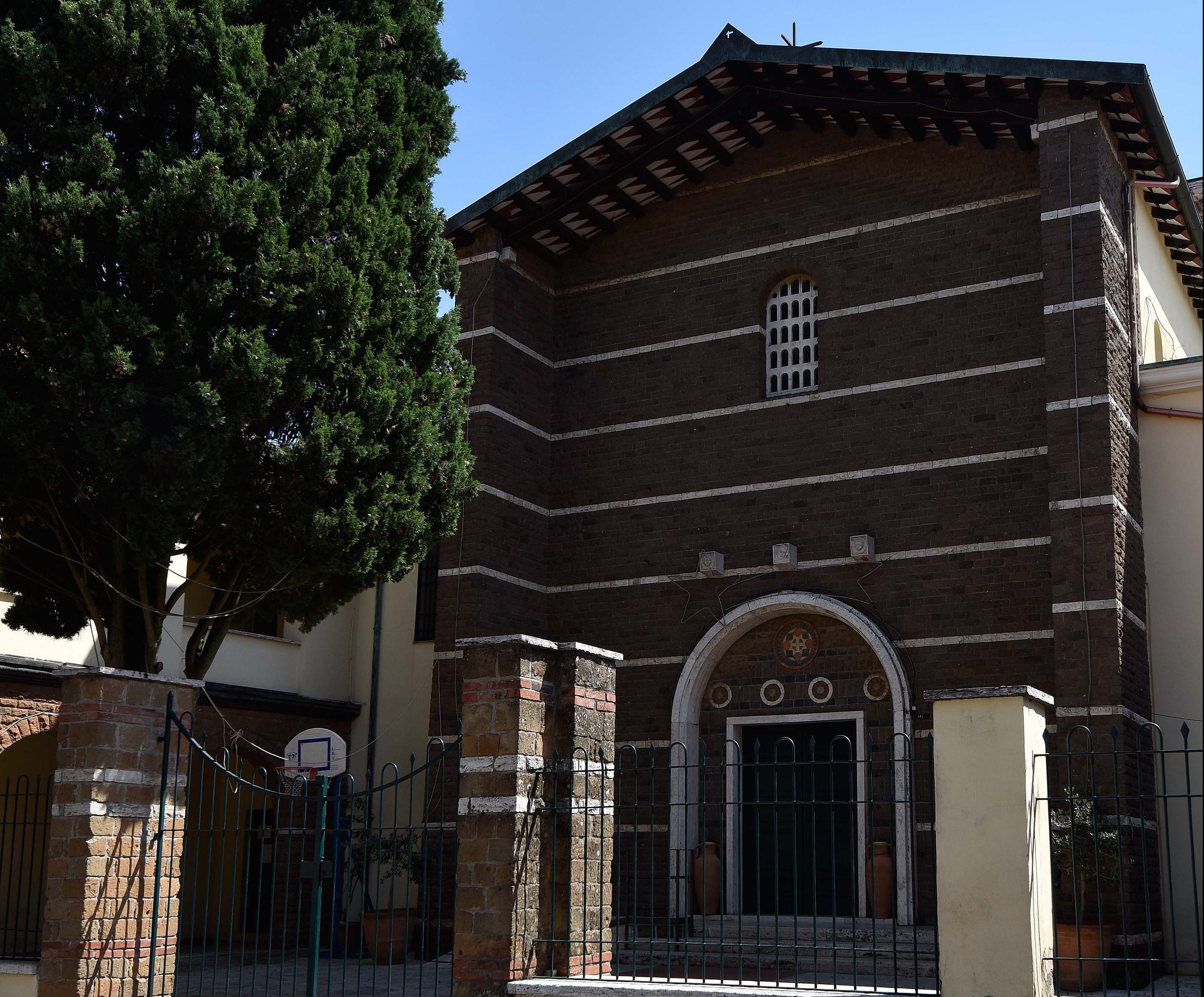
Valmontone. Church of St Stephan

The small church of St Stephan - Santo Stefano with simple lines is believed to have been built in 1624 after the destruction, in 1557, of a previous church near Porta Romana in Valmontone.

It was enlarged by Prince Pamphilj in 1733, and later restored other times, until 1914 by Monsignor Oreste Giorgi. The latest restoration is the post-war one.

The church has three altars, the main one dedicated to Saint Stephen, on the right the one to the Madonna of Loreto and on the left to Sant’Anatolia.

It is currently an Orthodox rite church.

powered by social2s
FOTO CLAUDIO PASQUAZI
Valmontone. Sanctuary of the Madonna del Gonfalone

The sanctuary of the Madonna del Gonfalone was built in 1508 outside the city walls of Valmontone, in Prato della Madonna, with the title of Sancta Maria Nova extra Muros.

In 1738 the sanctuary was restored and renovated by the architect Gabriele Valvassori, who completely redesigned it, leaving only the entrance portal and the apse area of ​​the original church.

The building was severely damaged during the bombings of 1944, and restored in the 1950s.

The miracle of the Madonna del Gonfalone

At the beginning of the 16th century a farmer intent on hoeing his field near the village, in Prato della Madonna, suddenly heard a voice saying to him: “Stop, stop!”.

He immediately stopped and started cleaning that boulder that he discovered had painted the image of the Virgin that he had involuntarily scarred with her hoe.

A second miracle occurred in 1738, during the restoration of the Church of the Gonfalone. At one point, a large beam from the scaffolding of the vault came off and fell on a worker who was carrying lime. The two were left unharmed by the intercession of the Holy Virgin del Gonfalone.

Also during the restoration, on Sunday 8 March 1739 at 4 pm the floor of the church had to be raised and the image of the Holy Mary with the Child in her arms had to be sawed. The workers chiseled the boulder which suddenly rises into the air and placed itself in the position we see it today.


powered by social2s
FOTO CLAUDIO PASQUAZI
Valmontone. Church of Saint Angel hill

On Sant'Angelo hill are the cemetery of Valmontone and the church and the Convent of Sant’Angelo - Saint Angel. They appear to have been built on the site of an ancient pagan temple, possibly dedicated to Mercury.

Erected in the 8th century by monks of the Benedictine Order, with the church dedicated to San Zosimo, it was then converted into a Franciscan convent in the first half of the 13th century and the church was dedicated to San Michele Arcangelo, who then gave the current name to the hill .

powered by social2s

Recommended

Subscribe to Newsletter

Discover a territory through the emotions of the people that have lived it.