Churches & Places of Worship

Church of St. Leo the Great

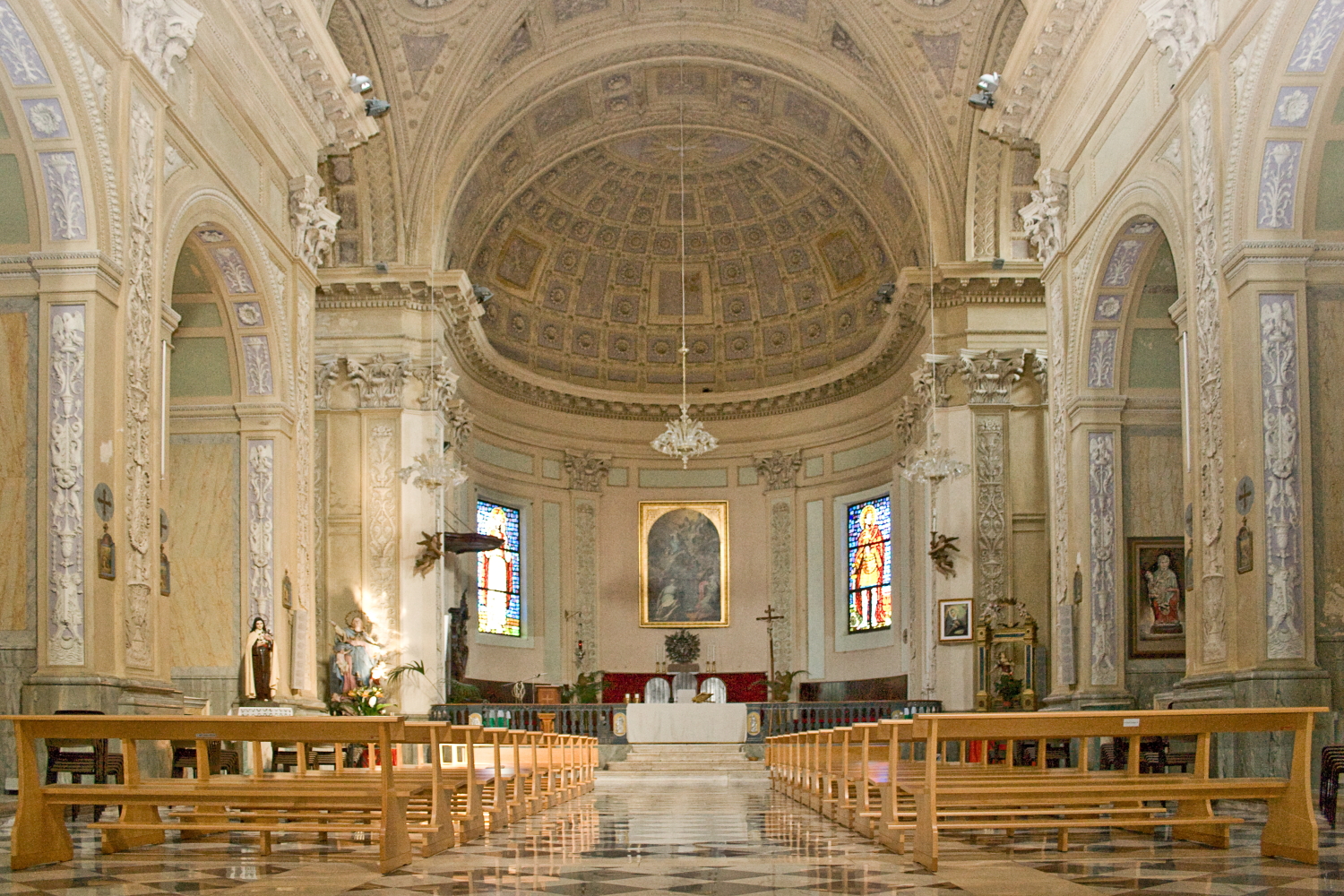
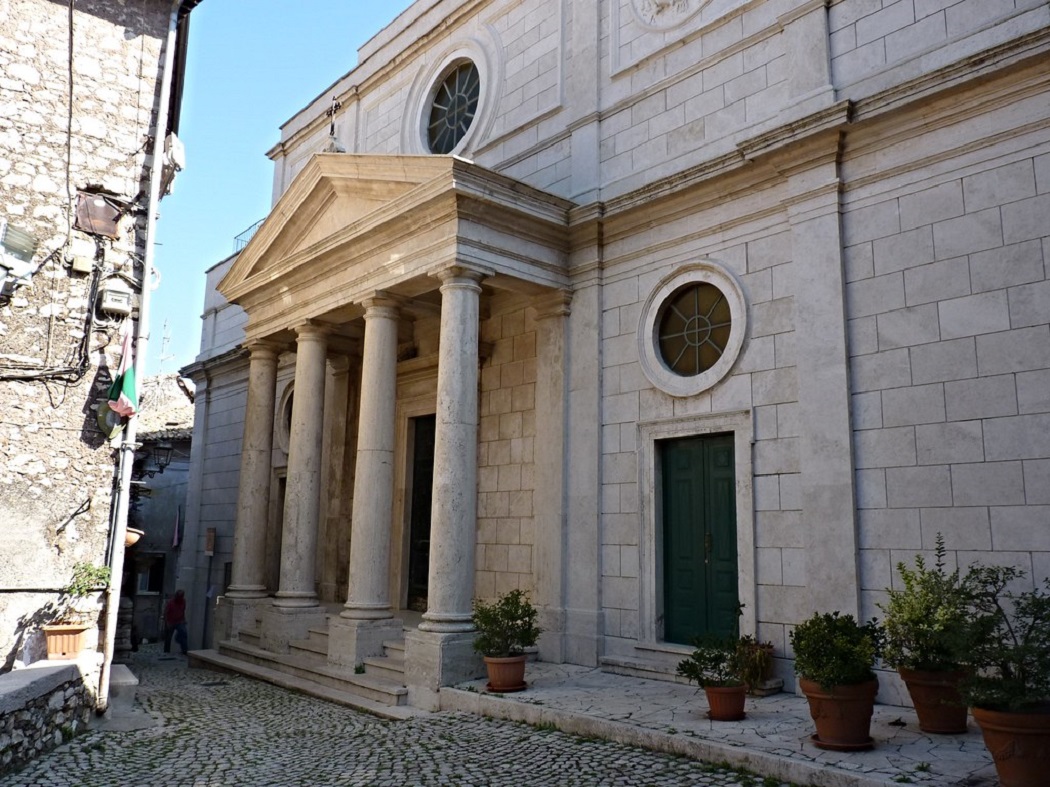
The Church of St. Leo the Great was built in 1882 by architect Francesco Fontana at the behest of Pope Leo XIII, it is located on the square in Carpineto Romano that bears the name of the Pontiff.

In neoclassical style, it has three entrances with a tetrastyle portico topped by a pediment: the interior is a basilica structure with three naves and a barrel vault, supported by Corinthian columns on which rests the blacony for women.

On the sides of the aisles are four chapels with altarpieces by Perugia painters.

On the main altar is the marble Pietà by Sosnowski and in the rotunda stands the Madonna of the Rosary, with the titled saints (St. Leo the Great and St. Nicholas) and devotionals of the Pope (St. Joseph and St. Joachim).
 

powered by social2s
Carpineto Romano. Collegiate of the Sacred Heart

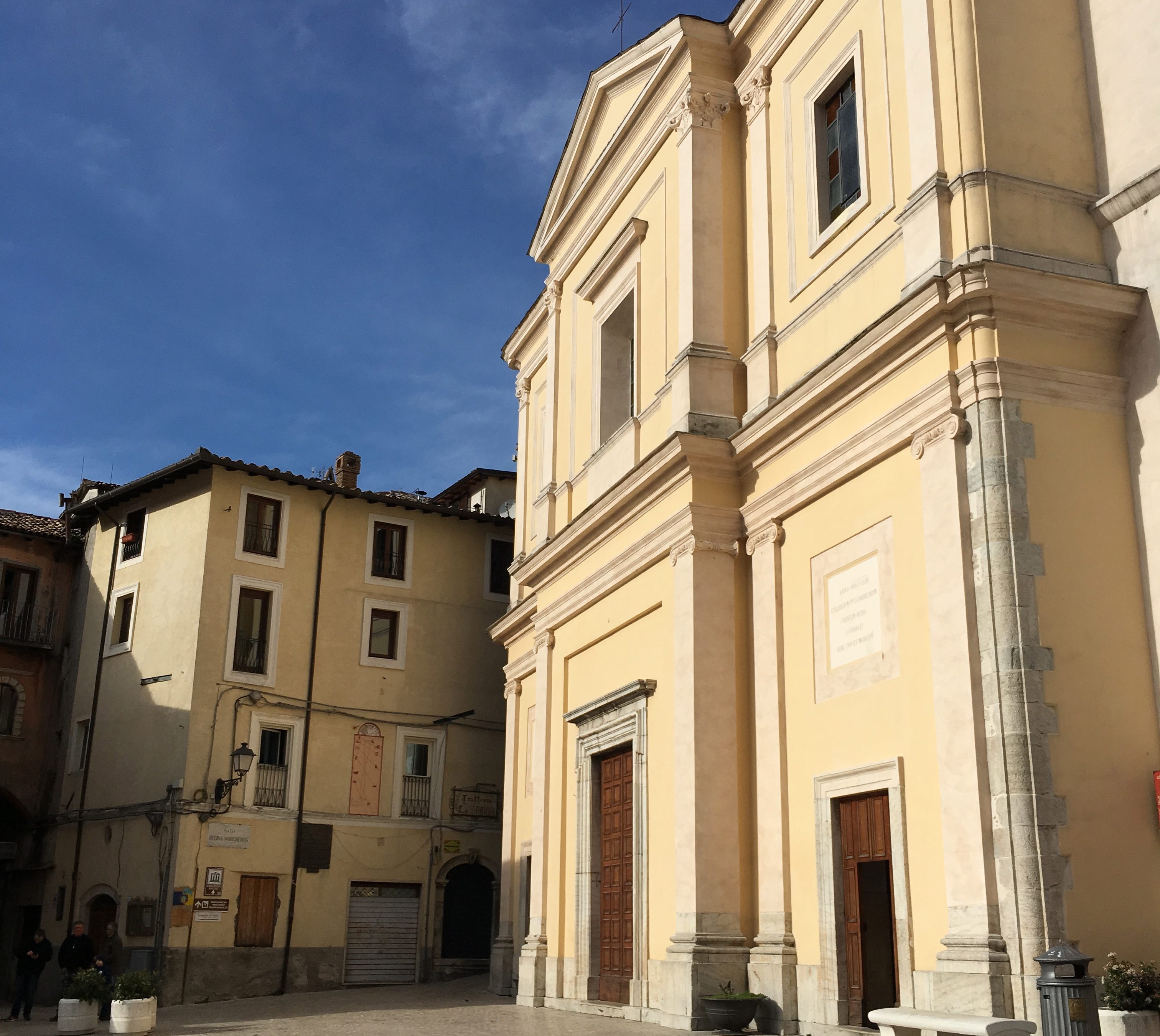
Also known as the Church of the Sacred Heart, it is dedicated to St. John the Baptist and St. John the Evangelist and was built in 1753.

The church is located in the heart of Carpineto Romano in Piazza Regina Margherita, and presents a massive and imposing structure with three limestone portals, made by local stonemasons.

The interior has a Greek cross design, and a single nave with side altars. To the right stands a marble statue of Leo XIII, by Giuseppe Lucchetti.

There is also an altarpiece recently restored representing the flagellation of Christ, attributed to Giulio Romano, the greatest disciple of Raffaello.

In the sacristy there is an ancient bell, donated by a certain Messer Matteo to the Valvisciolo Abbey in 1249 and considered the best expression of a Lazio bell fromthe Middle Ages.

In the church there is also an organ with a very particular sound, courtesy of Leo XIII.

powered by social2s
Carpineto Romano. Church of Santissima Annunziata

The small rural church of Santissima Annunziata in Carpineto Romano was built by private citizens in 1786, on the ruins of an ancient hermitage destroyed in the seventeenth century.

It has a single nave, roof trusses, and the altar has paintings by Gaetano Nenci.

The church is accessed by a large limestone staircase with a portico on which there are inscriptions, including a carving by the hand of the young Gioacchino Pecci, the future Pope Leo XIII.

Alongside is a beautiful limestone steeple.

powered by social2s
Acuto. Church Santa Maria de Matteis

The church Santa Maria de Matteis is dedicated to Maria De Matteis, a saint born in Ciociaria and who in Acuto gave rise to the order of nuns that takes her name.

Maria was born in 1805 in Vallecorsa that was then the border town of the Papal States with the Kingdom of the Two Sicilies.

In 1834 she founded the Congregation in Acuto called the ‘Adorers of the Blood of Christ’ in the place where she had been called to build a school for girls.

Today the community is present in 26 nations and her Holy remains are preserved in the Church of the Precious Blood in Rome

powered by social2s
Acuto. Madonna Church Mount Mezzo

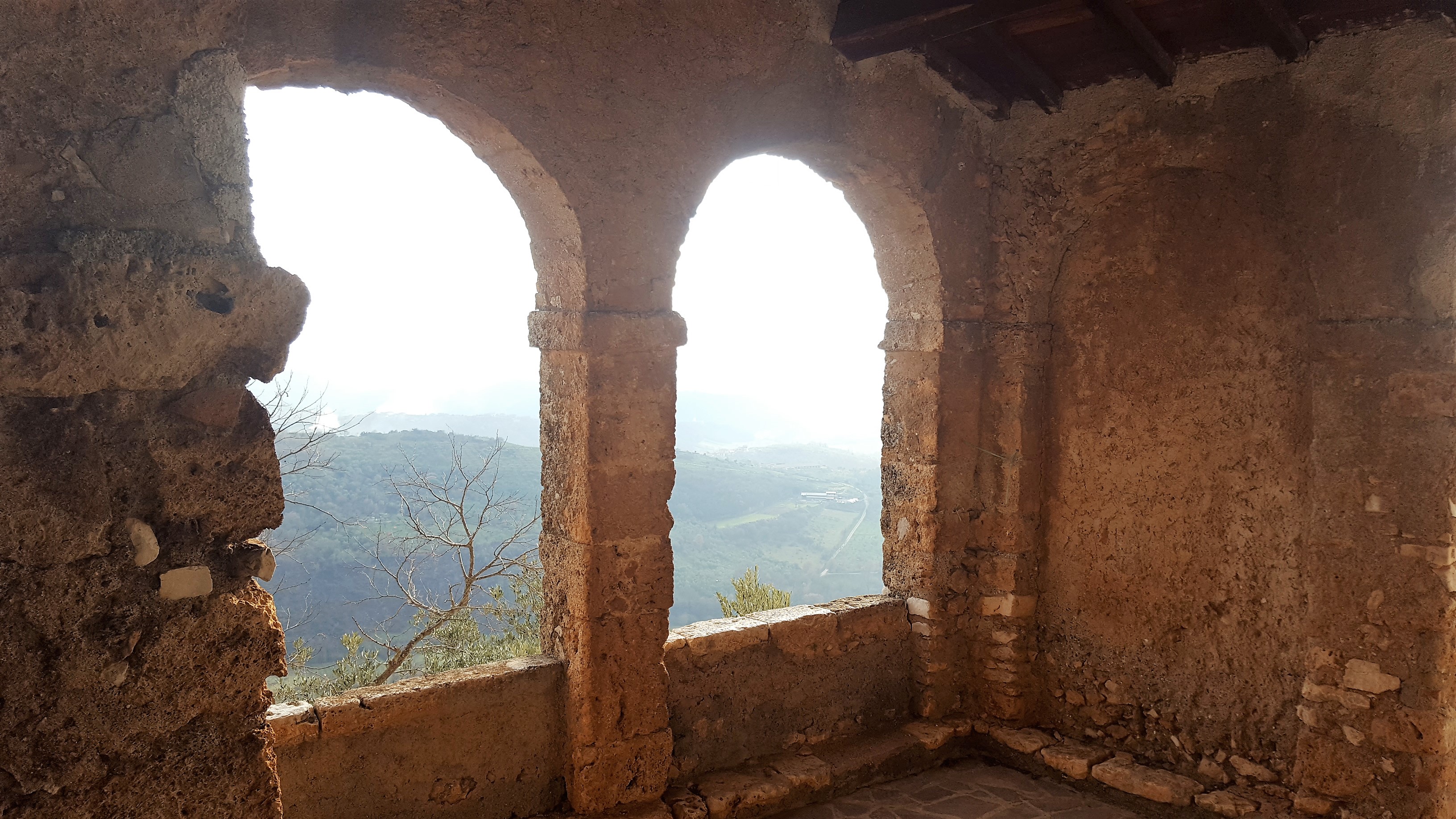
The Madonna Church Mount Mezzo takes its name from its location in the countryside, in the area where they cultivated the fields, but it is also known by the name of Our Lady of Hope.

This is why the building is surrounded by olive trees and the countryside consists of the typical terraces of mountain areas of Acuto.

The church is built from carved limestone, as are the walls of the terraces.

Its peculiarity is that the portico in front of the building is crossed by the road.

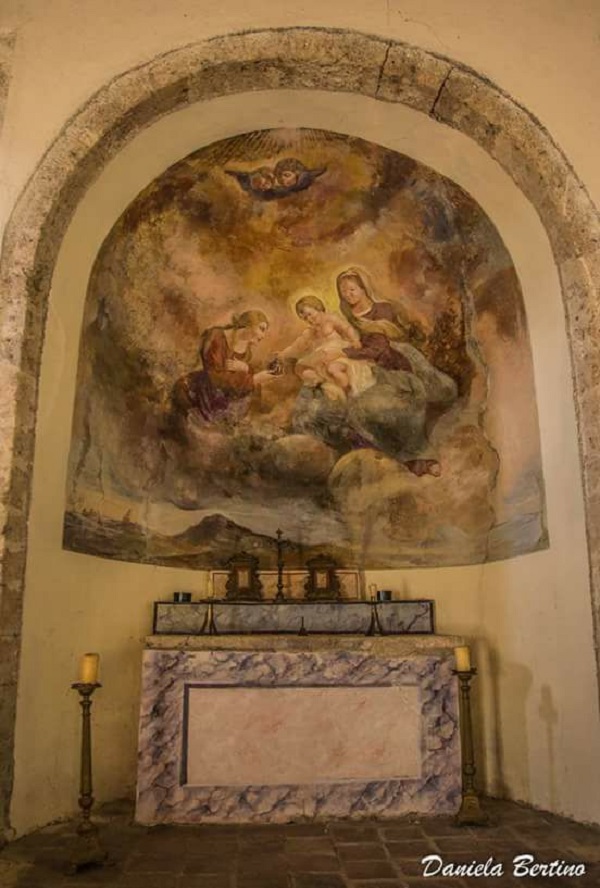
Inside there are frescoes of fine workmanship from the 1600’s.

powered by social2s
leprosarium by Daniela Bertino
Leper Church of Saint Maria Maddalena

The Leper Church of Saint Maria Maddalena is very old and is located in the vineyards and in the past on July 22 the inhabitants of Acuto organized a party in honour of the Saint.

You can get to the church by passing under a pointed arch of a wall that encloses the area.

In fact, next to the church already by the year 1000 Archpriest Peter had built a leper hospital for the many sick people who roamed the countryside.

The area was suitable to host a centre for sick due to the presence of fresh water sources and its southern exposure.

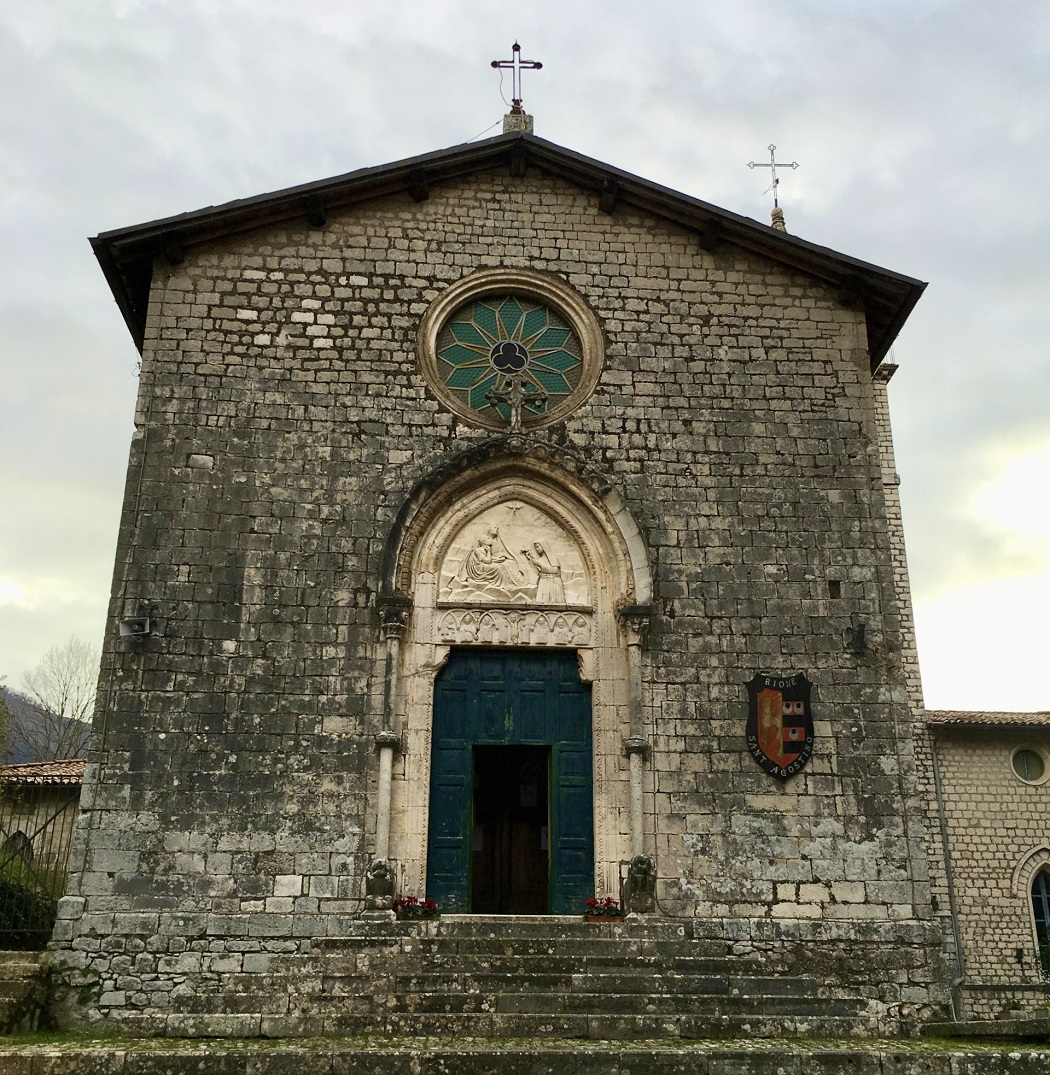
The façade is in limestone and is very simple with a main door above which there is a frescoed lunette.

The interior of the church has a unique layout that ends with an altar and a small apse and is illuminated by the rose window of the main facade and two side windows along the sides of the apse.

The roof is made up of three wood trusses and normal bricks, some of which are imprinted with the date of 1601.


powered by social2s

Recommended

Subscribe to Newsletter

Discover a territory through the emotions of the people that have lived it.