Churches & Places of Worship

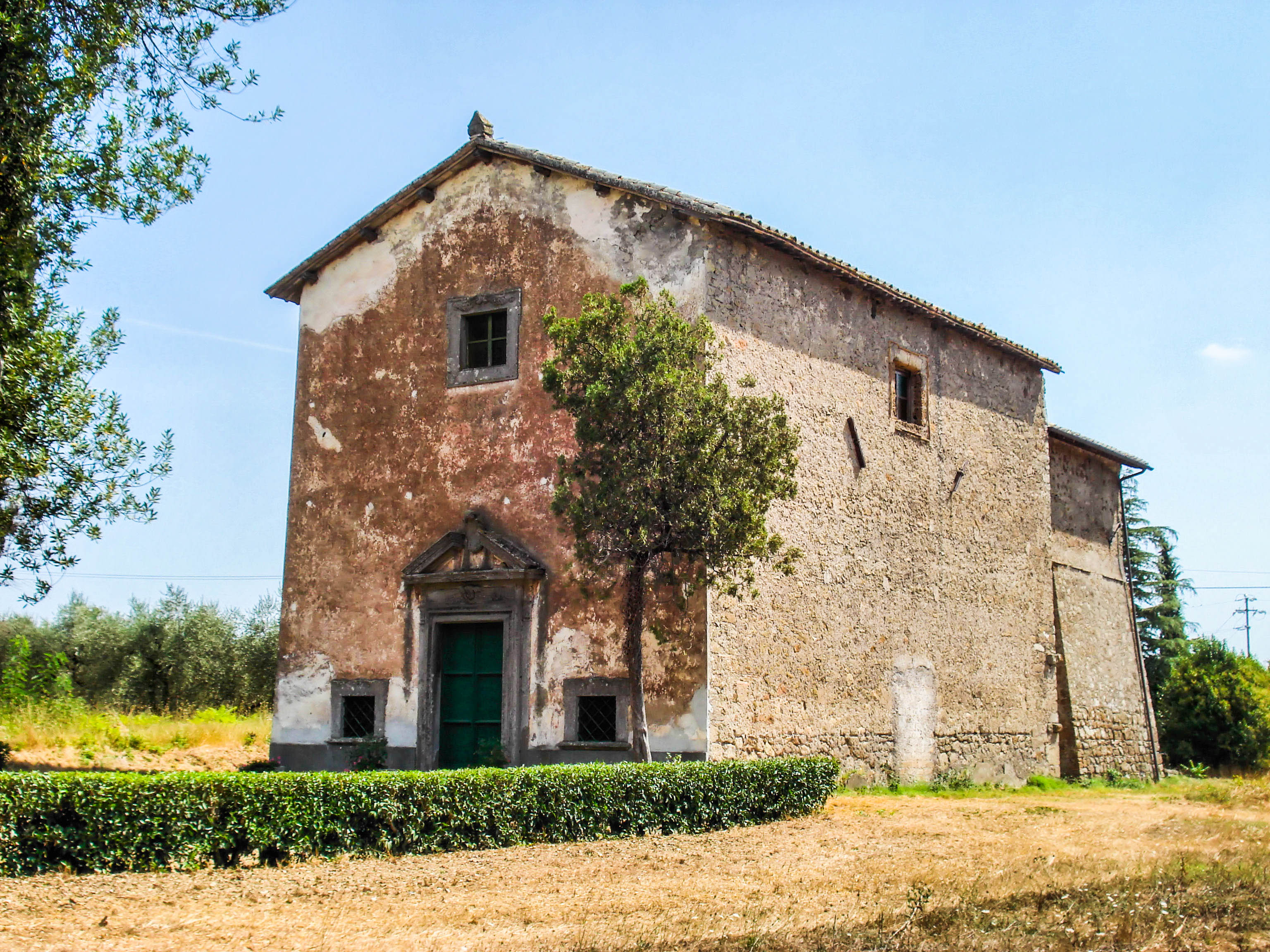
In Bassano Romano, the church of Holy Mary of Mercy was built around the first half of the 1600s.

Originally it was dedicated to San Filippo Neri whose holiness was supported by Cardinal Benedetto Giustiniani.

At the beginning of the nineteenth century the Giustiniani family undertook works of restoration and beautification of the church interior with marble, furniture and paintings.

In the first altar on the right is a painting on canvas of the nineteenth century, a copy of a painting by Guido Reni, representing Saint Michael Archangel resting his feet on Lucifer's body.

According to a tradition of the time, the devil is depicted with the traits of Pope Clement X who persecuted the family Barberini protectors of the artist.

The framework of the apparition of the Virgin to San Filippo Neri is a copy of a work by Guido Reni.
powered by social2s

The oratory of Bassano Romano is the headquarters of the Brotherhood of the Holy Trinity.

The interior has a single nave and above the altar is a fifteenth-century fresco of the Ascension of Our Lady between San Lorenzo and Santo Stefano.

The altar was transformed in the seventeenth century, assuming a baroque style and is composed of two columns surmounted by stucco angels and fake marble decorations.

Leaning against a wall is a majestic banner of 1683 by the painter Francesco Viterbo Ciaci.
 

powered by social2s
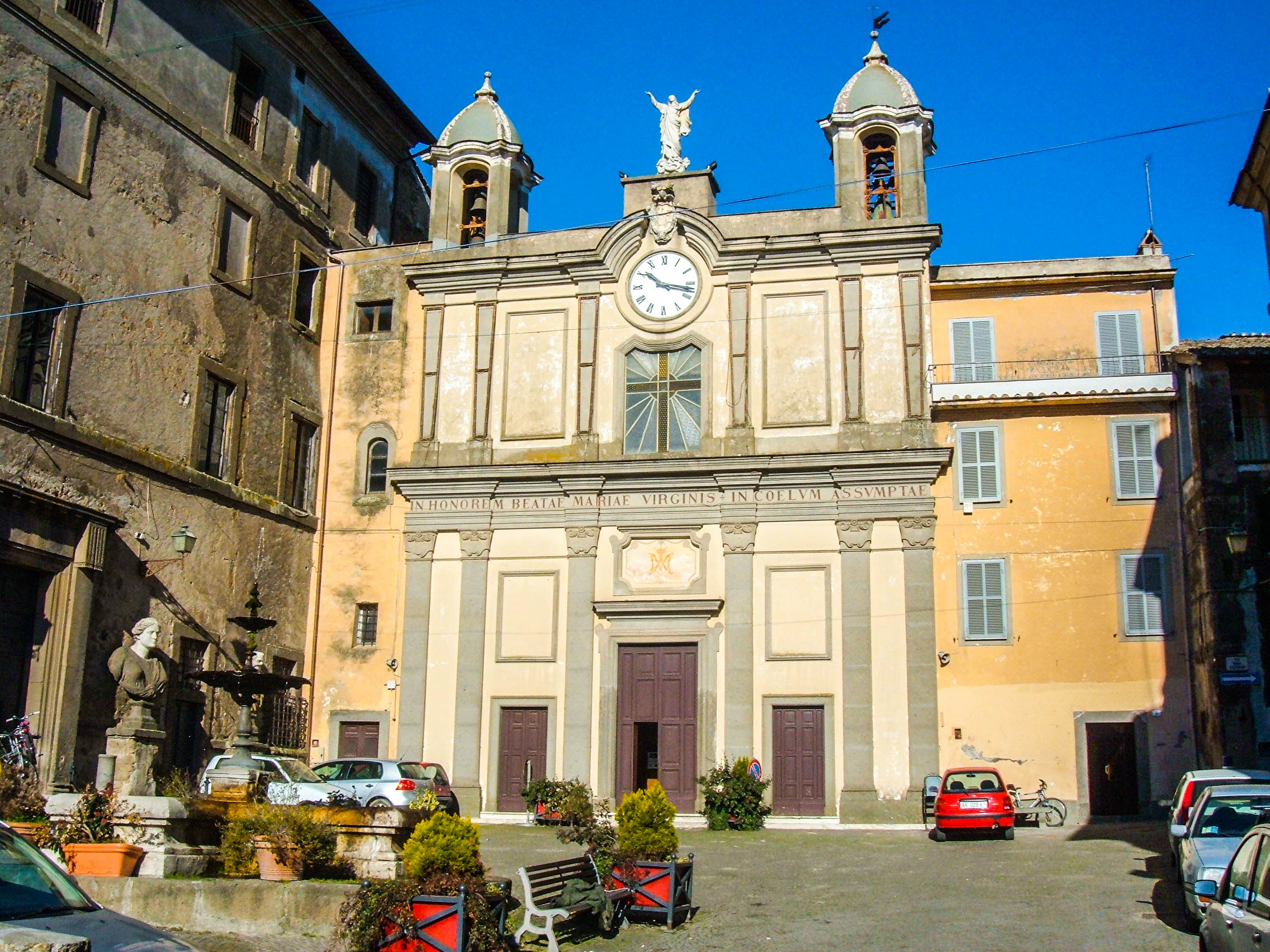
Bassano Romano. Church of St. Mary of the Assumption

In Bassano Romano, the church of St. Mary of the Assumption was built in 1703 on a previous Romanesque chapel.

The facade is made of local stone with a statue of the Virgin on the roof and two small lateral bell towers topped by globes and Latin crosses.

The interior has a Latin cross plan, and here lies the small stage where the Giustiniani prayed.

The relic, enclosed in a silver bust, and the head of the Patron Saint Gratiliano, a Roman who was martyred after his conversion to Christianity.

The interior has a single nave, with a barrel vault.

On the back wall is a nineteenth century painted wooden choir stall and an organ dating back to the early eighteenth century.

powered by social2s
Bassano Romano. Church of St. Vincent Martyr

In Bassano Romano, the church of St. Vincent Martyr that dates back to the seventeenth century was to be the mausoleum of the Marquis Vincenzo Giustiniani family who is buried with his descendants here.

It was to be the center of a village, called Giustiniano, which was never realized.

The building is in the Renaissance style, and in the will of the Marquis, who died in 1637, it was ordered that "the church was to be brought to ultimate perfection beginning with me ... confirm the design of Giacomo Pacifici architect and M. Nicolo Valle chief mason".

The initial design is attributed to Carlo Maderno which had a monumental facade, decorated with pilasters, which ends with a central balustrade, with a large bust of the Redeemer.

It has two bell towers at the sides and between them it appears the dome that creates an interesting visual effect.

In 1805 it was visited by Pope Pius VII.

In a chapel is the statue of Christ bearing the cross or Christ the Redeemer, commissioned by Metello Vari in 1514 to Michelangelo Buonarroti.

The statue has a particular history: Michelangelo, after finishing the draft, noticed that the marble had a black grain right at the face of Christ.

He abandoned the work and carved a new one with a "different posture".

The first statue remained with the customer who placed it in his own garden.

After several transfers of ownership it was purchased by the Marquis Vincenzo Giustiniani who had it completed by artists of the time and took it to his Roman palace.

Later, in 1644, Prince Andrew Giustiniani, who wanted to do the will of his uncle, took it into the Bassano Romano church.

Today the church is connected to a reception center, vacation home and a retreat for spiritual activities.

powered by social2s
Bassano in Teverina. Church of Madonna della Quercia

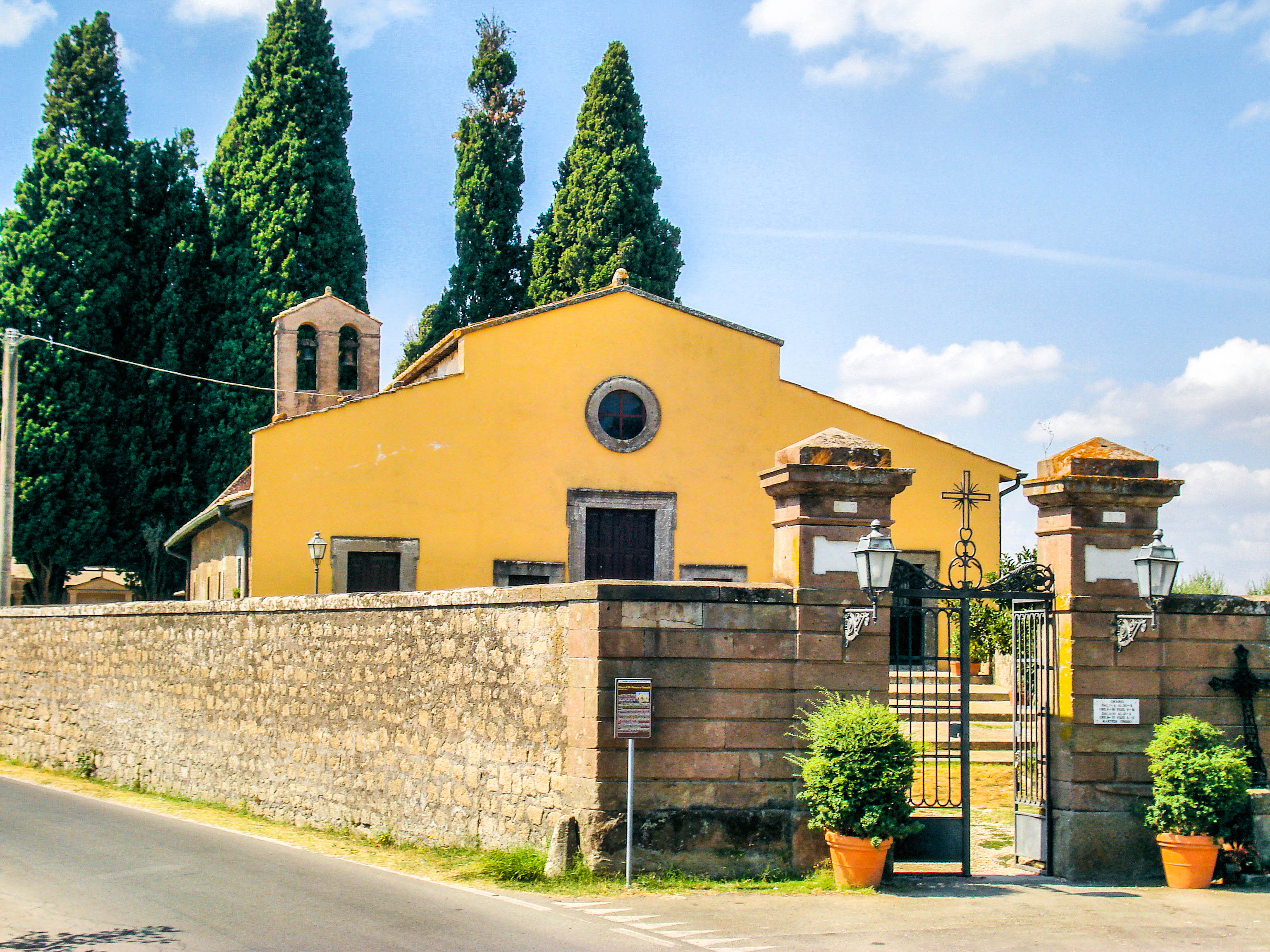
In Bassano in Teverina, the church of Madonna della Quercia is a namesake of the famous Viterbo shrine.

It was built between 1674 and 1678 to house a tile with the image of the Madonna and Child, made in the sixteenth century.

Inside there is a seventeenth-century fresco of the Crucifixion and a painting by artist Brandi of 1947 with the Saints Fidenzio and Terenzio, proclaimed protectors of Bassano in 1632.
 

powered by social2s
Bassano in Teverina. Immaculate Conception Church

In Bassano in Teverina, the Immaculate Conception church was built in the second half of the nineteenth century.

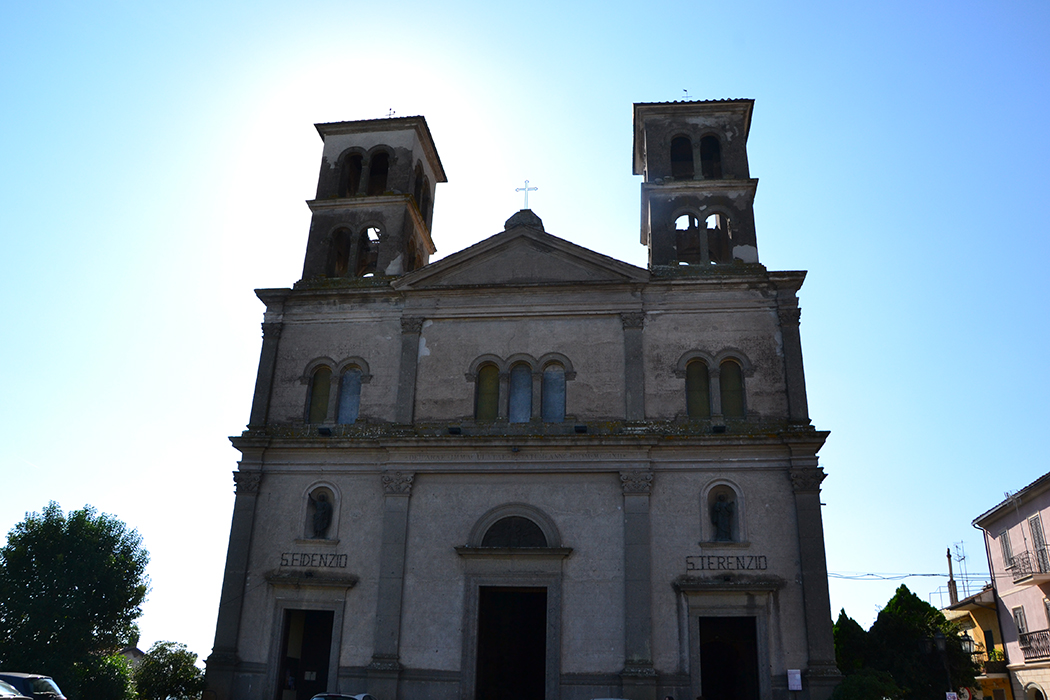
It is the first in the world to be dedicated to the Immaculate Conception, its consecration dates back to 1879.

On the front there are two bronze statues of Saints Fidenzio and Terenzio and a bas-relief depicting their martyrdom, works by sculptor Roberto Ioppolo Viterbo (1989).

Inside there is a wooden crucifix of the sixteenth century, a fifteenth-century painting depicting the Assumption and three large paintings of sacred subjects by Francesco Grandi, Roman painter of the nineteenth century.

powered by social2s
Bassano in Teverina. Church of Santa Maria dei Lumi

In Bassano in Teverina, the church of Santa Maria dei Lumi was built in the first half of the twelfth century near the fortified village.

Inside the building is adorned with capitals inspired by the Lombard Romanesque and early medieval repertoire.

The church is decorated with frescoes dating from the fifteenth to the seventeenth century.

powered by social2s
Bassano in Teverina. Church of Saints Fidenzio and Terence

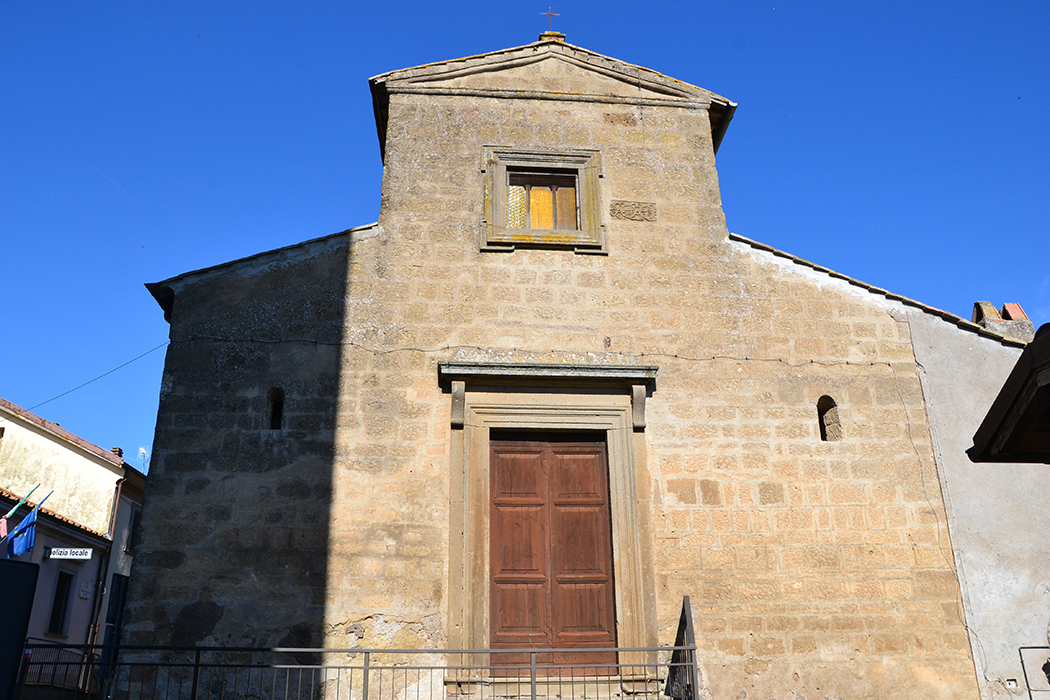
In Bassano in Teverina, the church of Saints Fidenzio and Terence dates from the late sixteenth century. It is dedicated to the patron of the town.

Inside there is a fresco of the sixteenth century that has been removed and transferred to canvas and which comes from the destroyed church of San Rocco.

The painting depicts the Madonna Enthroned with Child flanked by Saints George and Rocco.

In the apse there is the late-Renaissance painting Eternal Blessing, with the Saints Carlo Borromeo and Biagio.

powered by social2s

Recommended

Subscribe to Newsletter

Discover a territory through the emotions of the people that have lived it.