Churches & Places of Worship

Carbognano. Church of St. Peter the Apostle

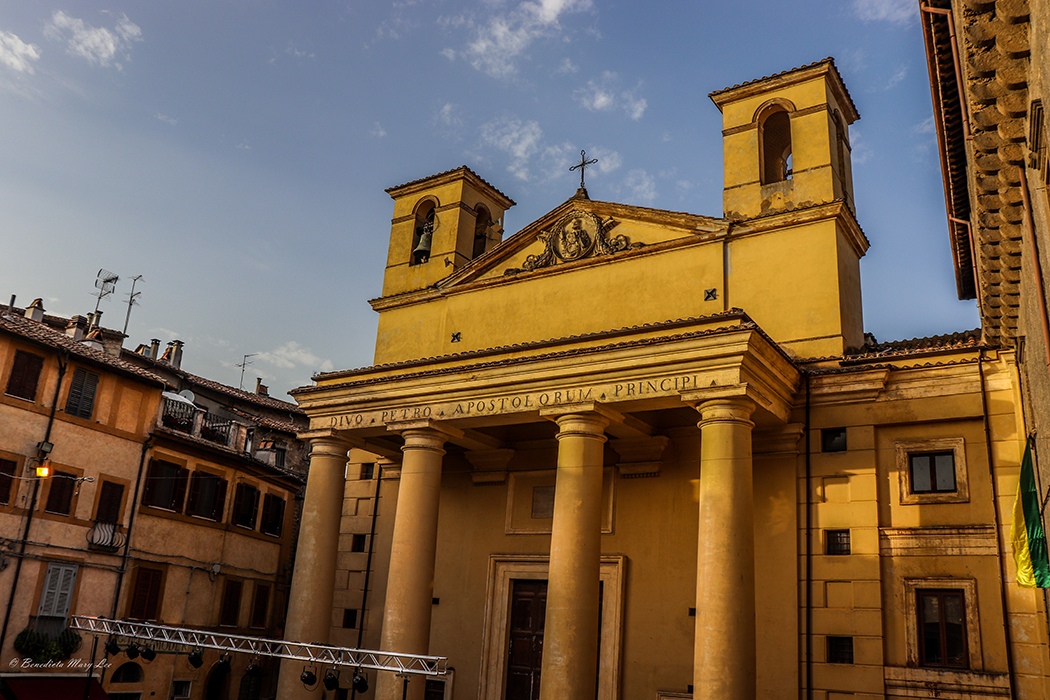
The church of St. Peter the Apostle in Carbognano was designed in 1779 by architect Venanzio Rubini who succeeded other architects.

In an antique document it shows how the construction of church involved demolishing five houses, a cellar and a stable.

The construction was slow depending on the amount of money they could find.

The original design included statues of saints above the facade but for lack of funds they opted for two small lateral bell towers.

The building has a large nave with six side chapels communicating with each other.

In the apse behind the altar there is a painting depicting Jesus with the Apostles that consigned the keys to St. Peter.

The marble high altar dates back to 1857 and was built by the Roman stonemason Joachim Pizzicheria.
powered by social2s
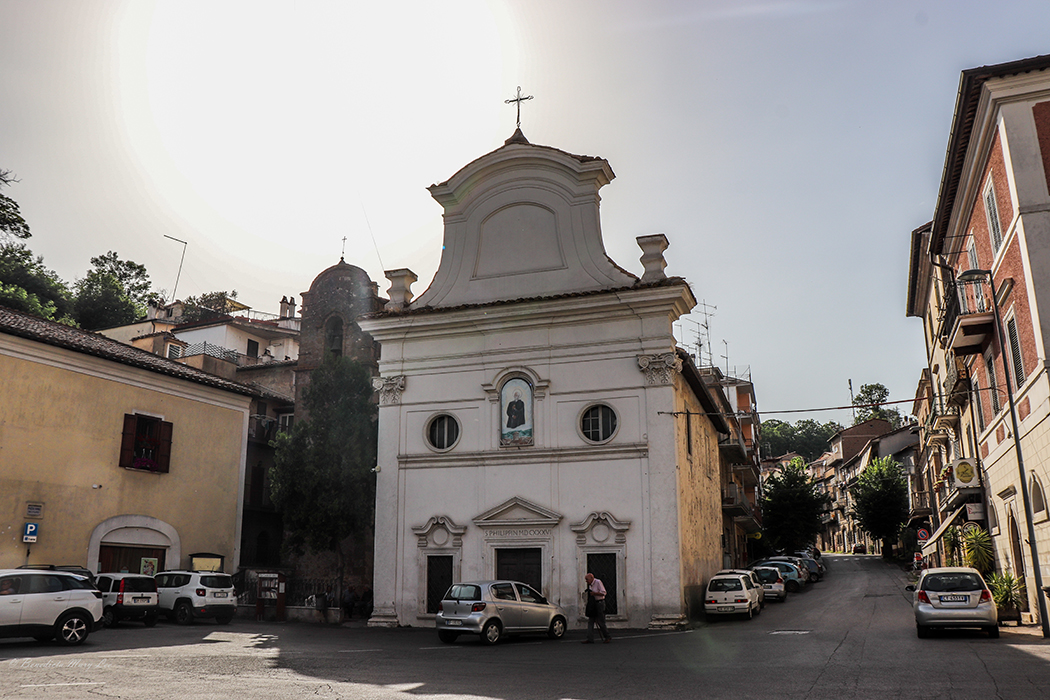
Carbognano. Church of San Filippo Neri

The church of San Filippo Neri dates back to 1636 and was built in Carbognano in a clear baroque style by Orazio Giustiniani, a priest of the Congregation of San Filippo Neri.

Inside are a font of the eleventh century and fine paintings depicting San Filippo Neri, copy of a painting by Guido Reni, Our Lady of Grace, St. Anthony and St. Catherine.

The bell tower, also baroque, was originally a Romanesque tower.

powered by social2s
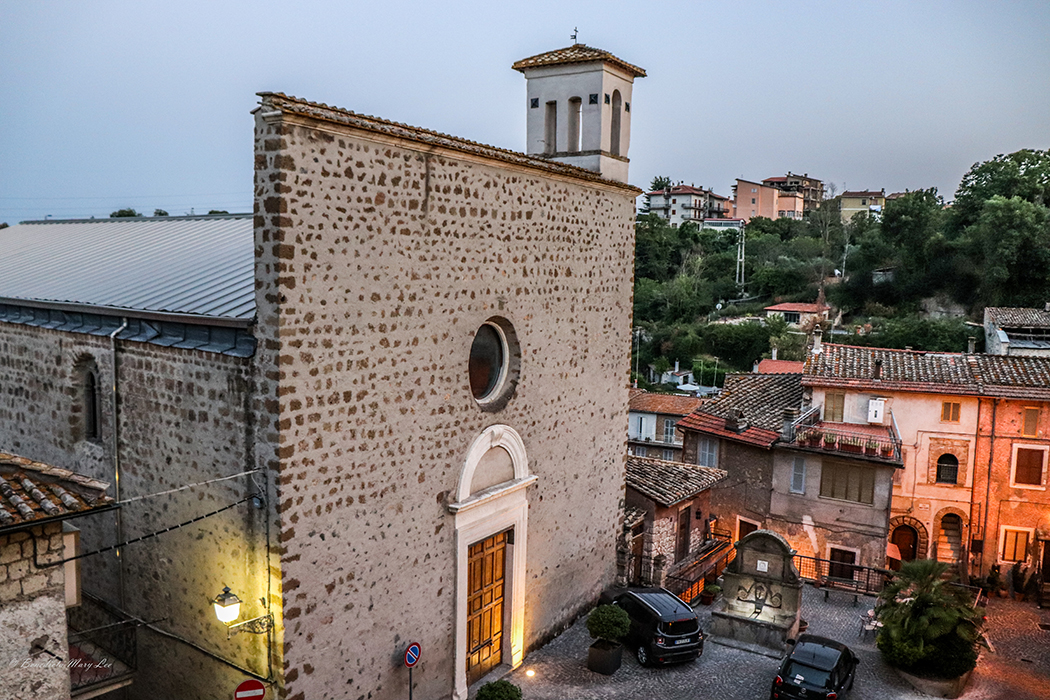
Carbognano. Church of St. Mary of the Immaculate Conception

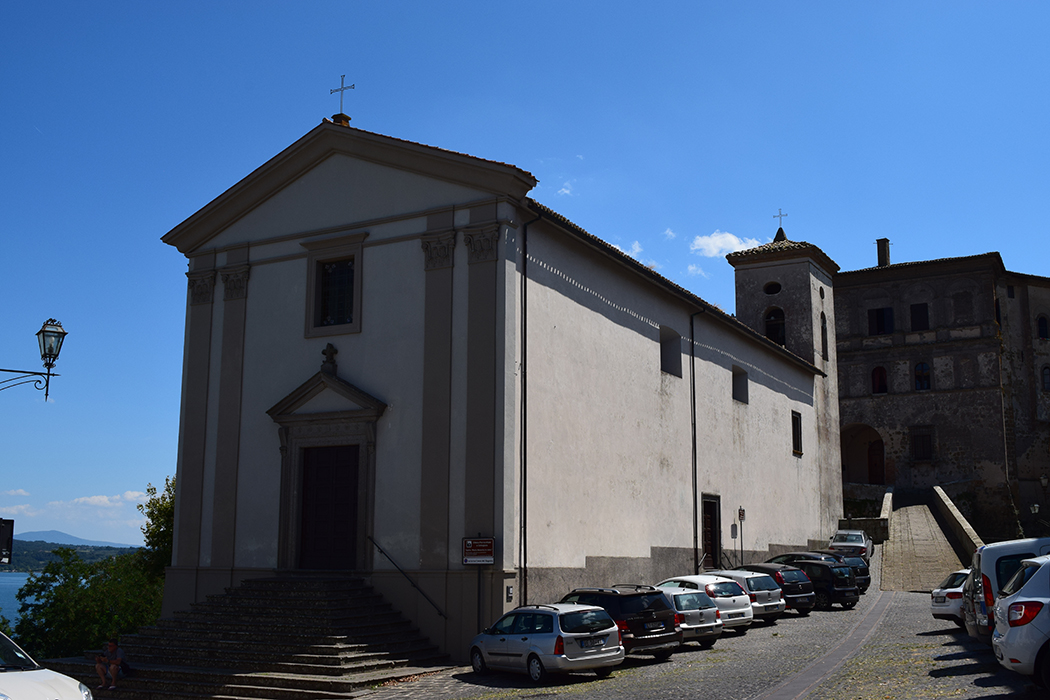
The church of St. Mary of the Immaculate Conception was built in Carbognano in the sixteenth century by Giulia Farnese.

It has a simple smooth facade with a small bell tower on the façade side.

Inside there are frescoes of 1581 from the school of the Zuccari brothers.

The church has been abandoned for several years and has been used as a gym.

powered by social2s

The church of Our Lady of Consolation of Caprarola is called "Madonna" and is an example of late Renaissance architecture with an early Baroque style.

It was built in the sixteenth century by the Farnese.

It has a simple façade with a portal in lava stone and a fully carved wooden door.

Inside there are important works including the Madonna with Child of the twelfth century.

The altar was made of carved wood and decorated with gold designed by Vignola.

powered by social2s
Caprarola. Church of St. Teresa of Carmel

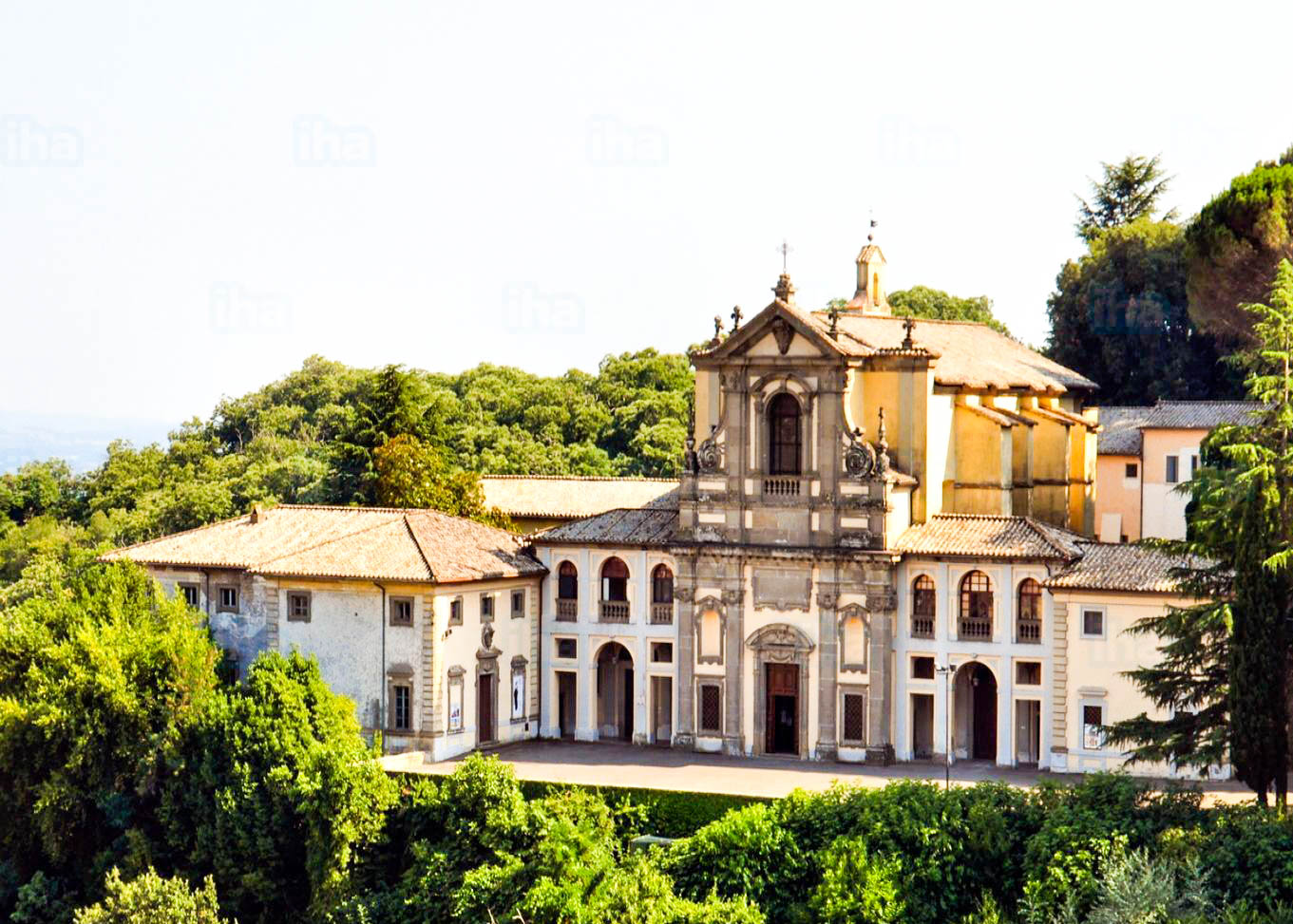
The church of St. Teresa of Carmel in Caprarola is a masterpiece of Girolamo Rainaldi and was built by the Farnese to complete the transformation of the village.

It has an imposing façade and is built on a tuff cliff in front of the south facade of the Palazzo Farnese.

It is surrounded by green hills and its facade recalls the architecture of the Venetian villas.

Inside, there are important works including the portrait of Odoardo Farnese, who gave funds to realize the church to grant the wish of his uncle Pope Paul III, and also a painting by Guido Reni which depicts Santa Teresa.

powered by social2s

The church of Saint Michael Archangel is the cathedral of Caprarola and was built around 1300, simultaneously with the Anguillara palace which is called Riario.

The building was almost completely destroyed by fire and was rebuilt in 1870.

Inside, on the first altar on the right, is a fifteenth century table depicting the Saviour Blessing, and behind the altar there is a seventeenth-century painting by Francesco Cozza depicting the Madonna in Glory with Child and Saints Peter, Paul, Antonio of Padua, Dominic and Blaise.
 

powered by social2s
Capodimonte. Church of Saints James and Christopher

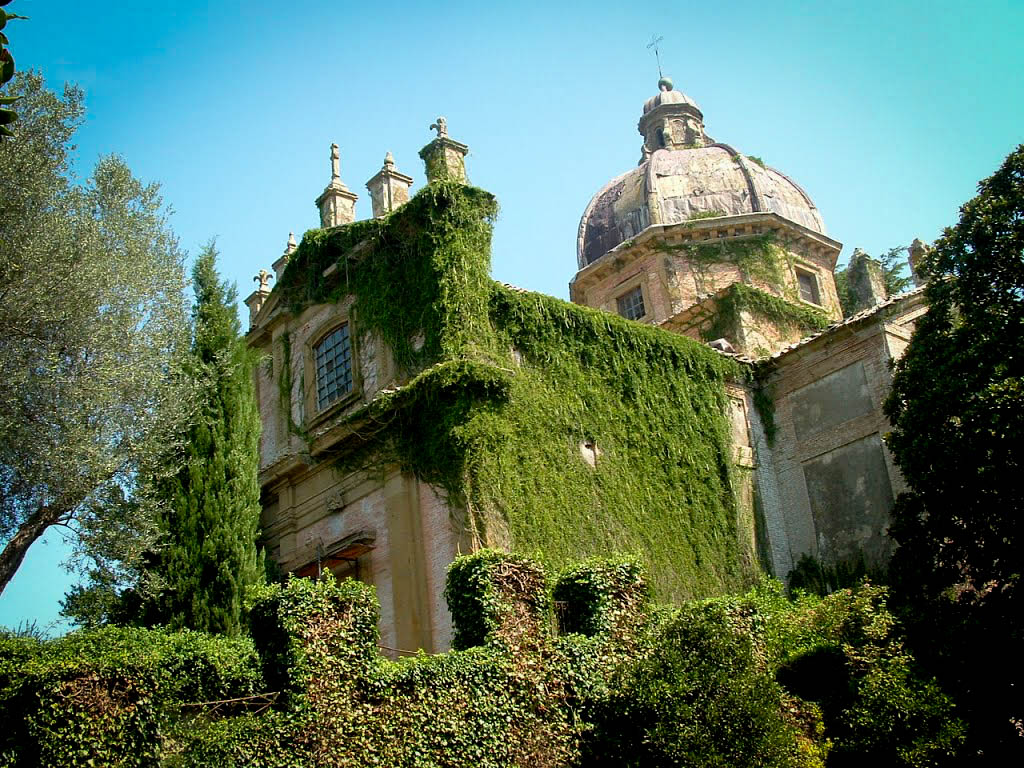
The church of Saints James and Christopher is the most important monument of Capodimonte and is located on the Bisentina Island.

It was built in 1588 by the nephew of Pope Paul III who wanted it as a family mausoleum.

The building was constructed in place of a small chapel which already contained the remains of family members.

Although traditionally the project was of Vignola, by then, Vignola was already dead and it is likely that the architect Giovanni Antonio Viggiù, a pupil of Vignola, was employed.

The facade is divided into two floors with the coat of arms of Cardinal Farnese above the portal.

The interior is a single nave with a Latin cross plan and the building has an octagonal dome that ends with a lantern.

At the sides, two stone portals give access to the choir stalls.

In the church is the sarcophagus in marble of Ranuccio Farnese the Elder, attributed to the sculptor Isaiah from Pisa.
 

powered by social2s

Recommended

Subscribe to Newsletter

Discover a territory through the emotions of the people that have lived it.