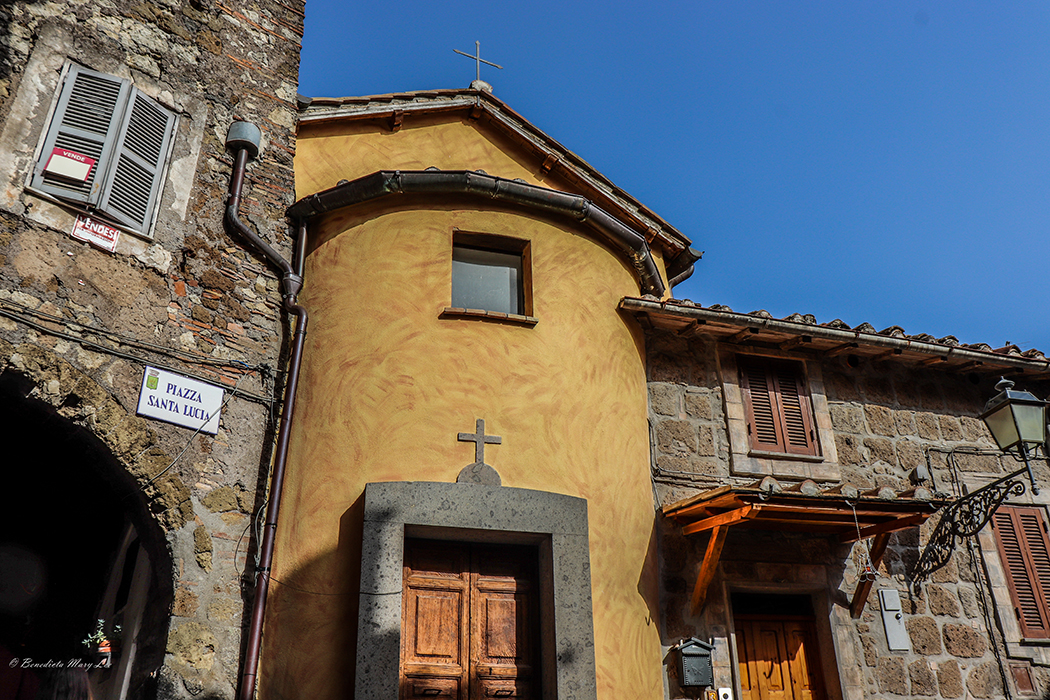
Churches & Places of Worship

Castiglione in Teverina. Church of Our Lady of the Snows

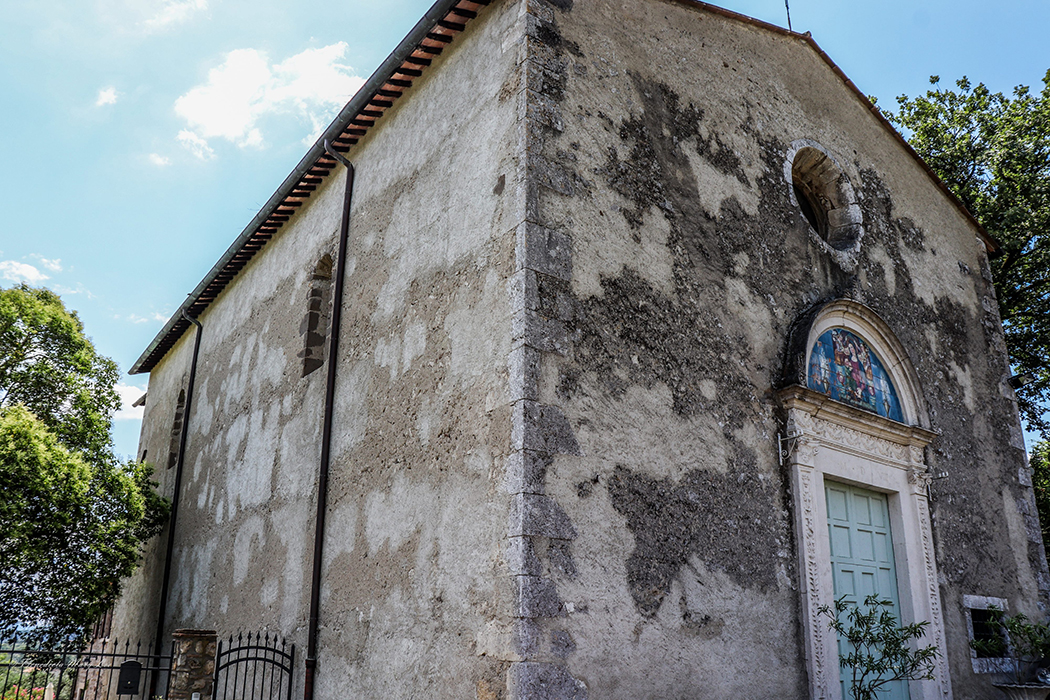
The country church of Our Lady of the Snows was built by Alexander VI at the beginning of the sixteenth century and is famous for the original ritual that took place in the past.

The building has a simple façade embellished with a lunette with hand-painted tiles representing Our Lady of the Snows.

The interior has a single nave and above the high altar is a fresco with the miraculous image of the Madonna and Child with a shovel in her arms.

The building is part of an old house where in the past various Hermits lived.

The image was realised in 1400s, an abandoned fund was found and the population erected a church where they could worship this image.

The church was authorized by Pope Alexander VI and inaugurated in 1509.

The name comes from the road leading to the basilica of Santa Maria Maggiore in Rome.

A curious note is that some citizens began to ask 'Thanks to the Contrary' that is preying for evil spells and woes for their enemies.

Our Lady of the Snows is celebrated every August 5 with a rich lunch and a palio that was down-sized by the bishop in 1699 for the excesses of the citizens.

powered by social2s
Castiglione in Teverina. Collegiate Church of St. Philip and James

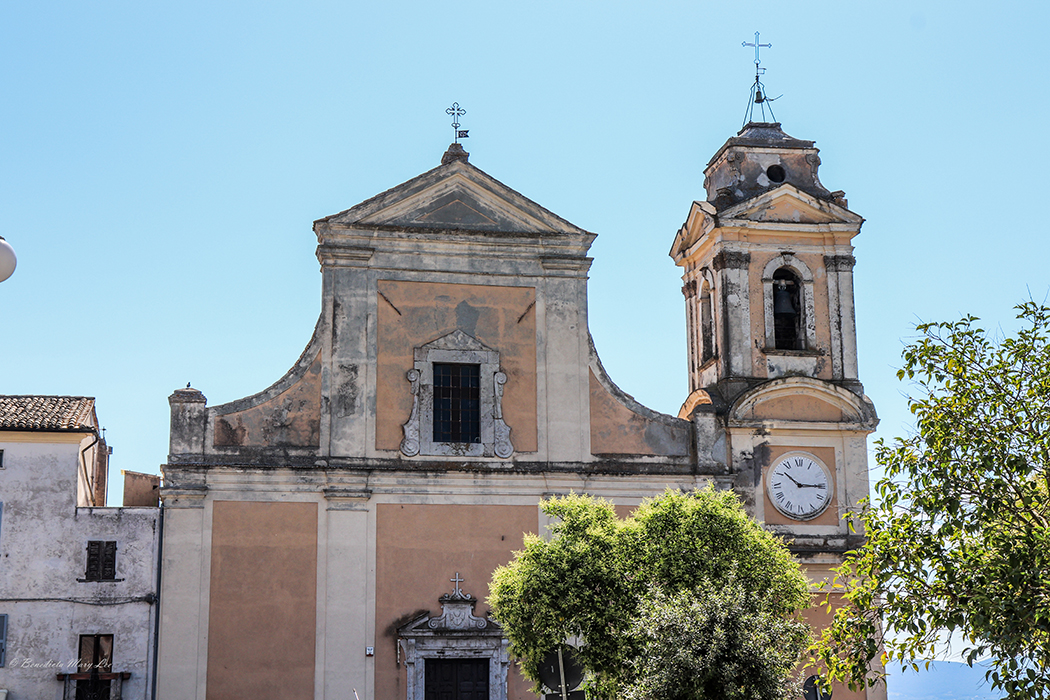
The church of St. Philip and James was finished in 1630 and has a Renaissance style facade in Castiglione in Teverina.

In the central entrance is a frame made of travertine that reads: "SS. IACOB. PHILIP ET. December A.D. MDCXXX".

Connected to the structure is smmira the bell tower with double belfry: the bottom has four bells and the top has a bell attached to a clock.

The tower bells are then covered with a metal pyramid.

The interior has three naves with four side altars and in the greater central nave, there is a seventeenth-century wooden tabernacle with six silver-plated copper candlesticks made by Scalza in 1783.

The baptismal font from the late fifteenth century is in finely worked stone and the church is adorned with valuable works like a wooden crucifix of the fifteenth century and a painting attributed to the Master of Castiglione.

In the side altars can be admired paintings ranging from the sixteenth to the nineteenth century

powered by social2s
Castel Sant'Elia. Basilica of St. Elijah

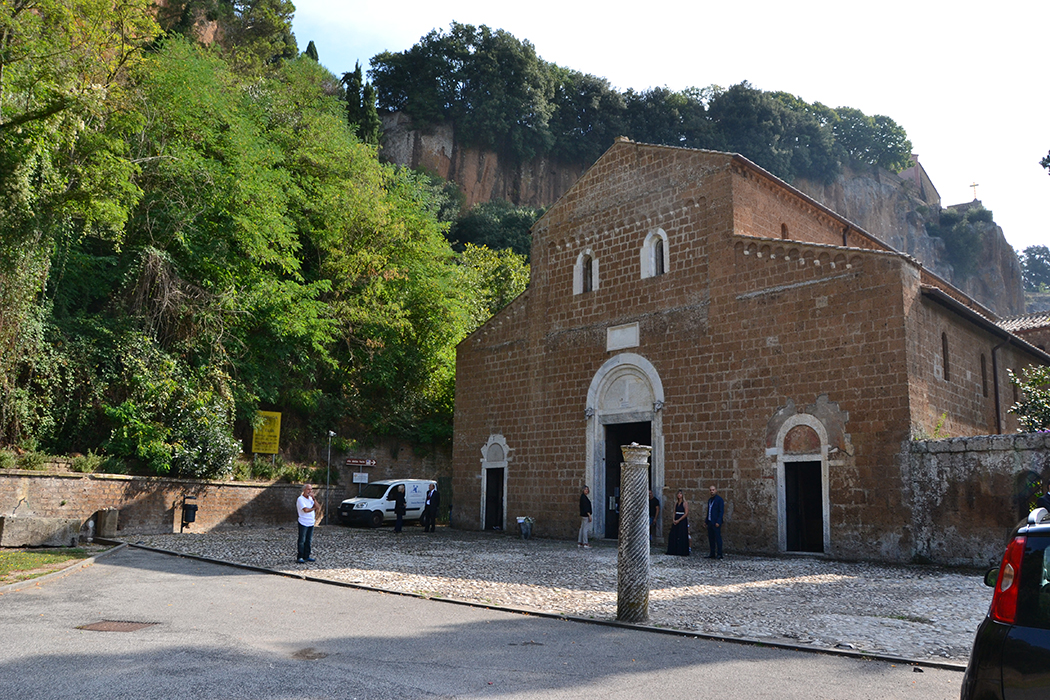
The church of St. Elijah in Castel Sant'Elia is one of the most representative of the entire region, built at the beginning of the eleventh century by Elia.

This basilica has been cited, among others, by Pope Gregory VII in 1076, by Alexander III in 1176, by Innocent III in 1211.

In 1740, this Basilica entered a period of decline due to the opening of the new Church of Saint Anthony when under the pontificate of Pope Pius IX.

St Elijah is a Romanesque basilica with three naves and a transept contained in a lopsided rectangle.

The apse is entirely frescoed with paintings executed during the eleventh century and are among the most interesting and best preserved in the Romanesque churches of Lazio.
 

powered by social2s
Castel Sant'Elia. Convent of San Michele Arcangelo

The convent of San Michele Arcangelo in Castel Sant'Elia is a real surprise of art and mystery.

From the convent of the Franciscan friars of St. Michael the Archangel (Michaelites) one can descend to the Sanctuary of the Blessed Virgin Mary to Rupes along a tunnel of 144 steps.

the steps were carved into the rock in 14 years of work by the hermit Rodio in the late eighteenth century.

This sanctuary is the destination of pilgrimages and here is venerated an image of the Virgin, a valuable pictorial work of the sixteenth century.

It has a collection of sacred twelfth-sixteenth century vestments including a precious wooden box and metal foil of the thirteenth century.

The church is carved into the rock and has the standing of a minor basilica.

powered by social2s

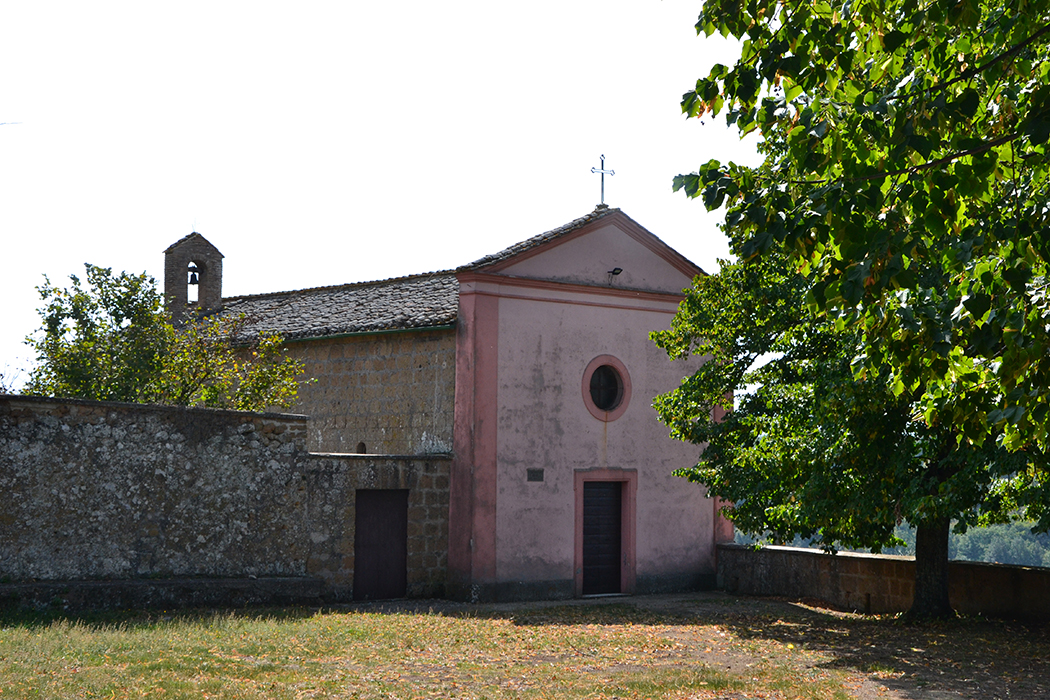
The small village church of Our Lady of the Valley was used by hermits and today is part of the cemetery of Carbognano.

Inside there is a precious fresco depicting the Madonna and Child, painted by Antonio Massaro da Viterbo, called Pastura, active between the fifteenth and sixteenth centuries, and pupil of Perugino and Pinturicchio.

The fresco was restored in 1825 with the exception of the face, neck and hands of the Virgin that have not been touched.

A popular legend has it that these have been painted by angels and not by the hands of a man.

The inside of the church, consisting of a single nave, is an interesting place a conical shaped font that dates back to 1600-1700.
 

powered by social2s

The medieval church of Sant'Eutizio has a Gothic structure dating back to the ninth century, and perhaps it was built on an ancient temple dedicated to the god Janus in Carbagnano.

The building has three naves and the wall behind the main altar was painted in 1524 by Francesco D'Antonio Zacchi called 'Balletta'.

Even the crucifix and apse of the apostles are Balletta, but have undergone renovation in 1700s.

A fresco represents the Miracle of the Grain with a farmer pushing a plow and two oxen.

Legend has it that the saint, walking through the forest in Carbognano, met a farmer who was beating his oxen that had been made fierce by hunger.

Sant'Eutizio addressed a prayer to God and on the earth appeared the grain with which the beasts could be satiated.

For this reason he was elected protector of the place, and the ears of corn have become the symbol of the town.

In Napoleon's time the church was sold to private owners and fell into disrepair.

Today it has been restored and returned to its original splendour.

powered by social2s

Recommended

Subscribe to Newsletter

Discover a territory through the emotions of the people that have lived it.