Churches & Places of Worship

The church of St. Agapito is dedicated to the young Prenestino member of the Anicia family martyred during the reign of Aurelian.

This church in Palestrina is based on an ancient pagan building of the fourth century. B.C.

In the twelfth century, the Cathedral was expanded by Cardinal Conone following the Romanesque style: two side aisles, ‘u’ shaped altar, presbytery, and apse, under which is a crypt.

This expansion has incorporated part of the area of the forum from the ancient city.

Further profound changes have occurred, over the centuries, which led to the current appearance.

Inside the cathedral is a copy of the Palestrina Pietà by Michelangelo.
powered by social2s
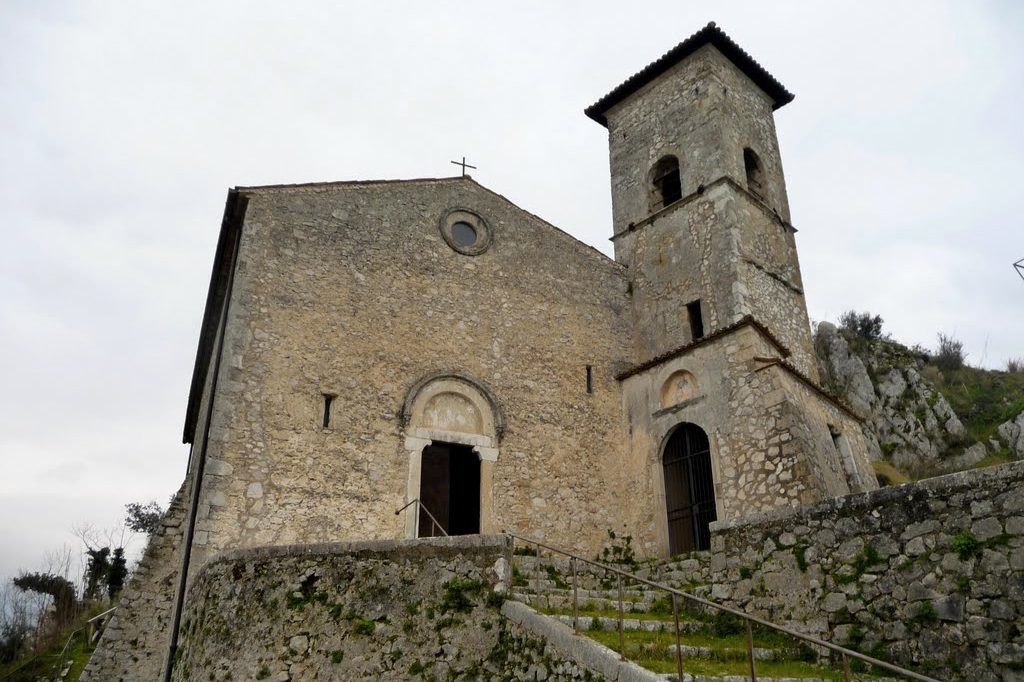
Roccasecca. Church of St. Thomas Aquinas in Castello

The church of St. Thomas Aquinas in Castello was built in the fourteenth century in honour of Thomas Aquinas.

It is located just below the fortified garrison of Roccasecca.

It has a Gothic shape of a Latin cross and is the first built in the world in honour of the saint.

It is located halfway between the medieval village and castle.

There are frescoes from the 1400s and a wooden bust of St. Thomas from 1633.

Many other frescoes were lost during the last war.

powered by social2s
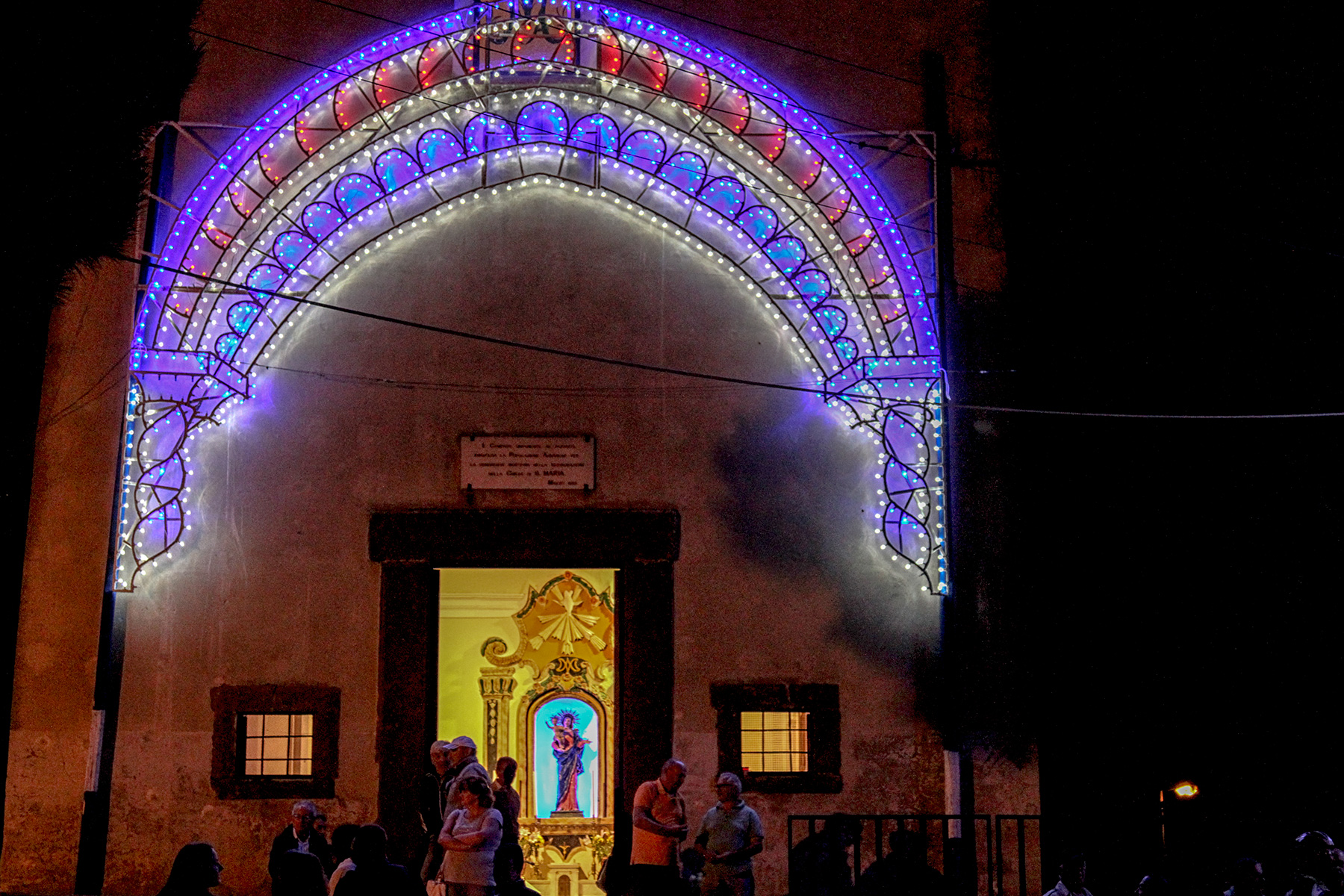
Arnara - Chiesa della Madonna del Carmine by Nando Potenti

The church of the Madonna del Carmine in Arnara was built in the late 1700s during the hydraulic development works for the adjacent well.

It has the classic style of country churches.

The facade is adorned with a door with two small windows at its sides and an aperture above. 

All openings are lined with polished stones.

powered by social2s
Foto Nando Potenti
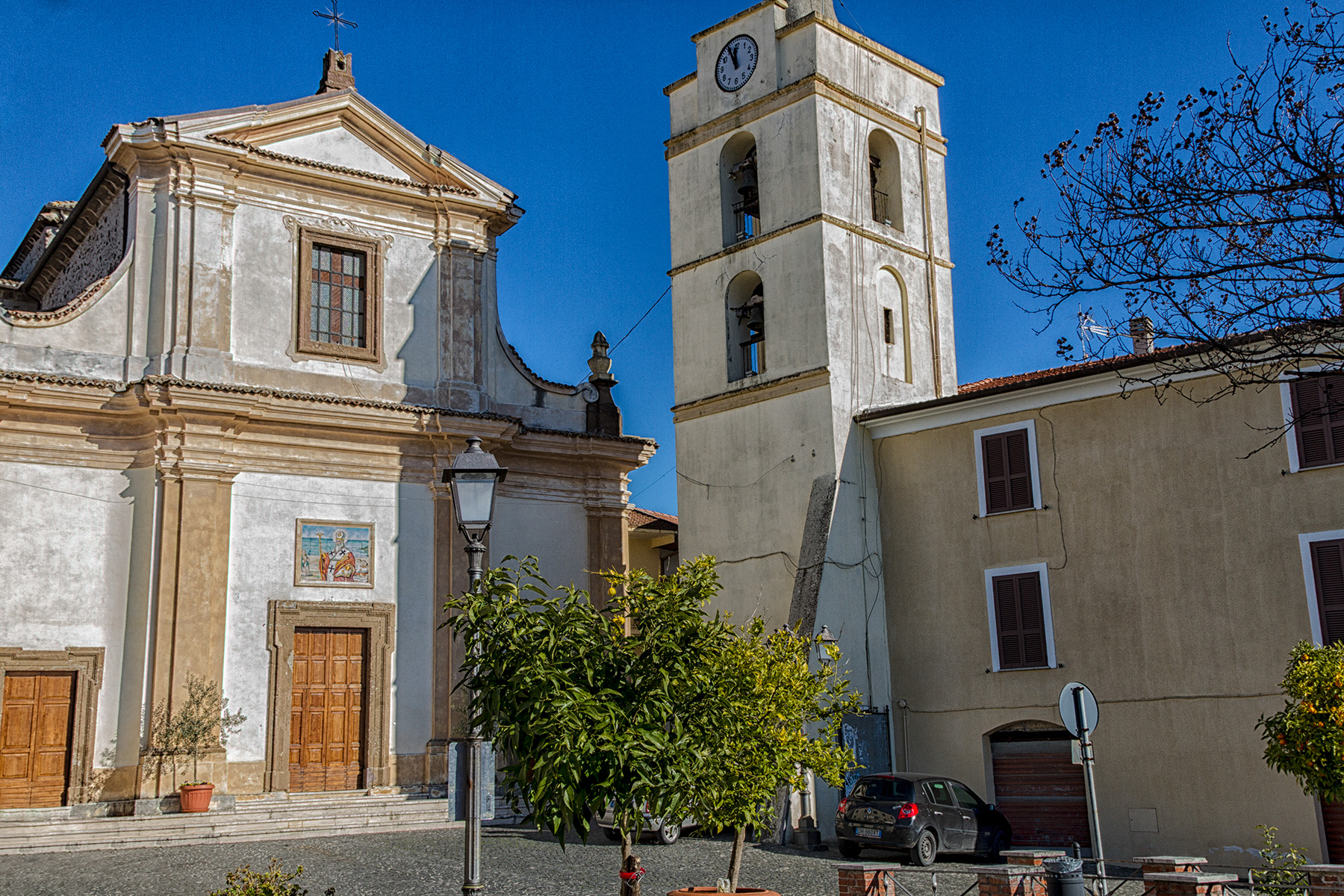
Arnara. Church of St. Nicholas of Bari

The church of St. Nicholas of Bari dates back to the 1700s and is located behind the medieval fortress of Arnara.

It is a reconstruction of an earlier building dating from 1200.

The building suffered major damage during the earthquake of 1915 and was later restored.

The interior has three central naves in late Baroque style and the central nave ends with an altar and a wooden choir.

The central nave is covered by a barrel vault, while the aisles are covered with three domes each.

The altars of the side aisles end with paintings framed by columns.

The church ends with a wooden choir surmounted by a painting depicting the saints Nicola and Stefano.

Above the entrance of the church is an organ.

In the '90s an ancient fresco came to light on the wall depicting the help of the Virgin for the souls in purgatory.

powered by social2s

The church of San Sebastian is located near the ancient walls of Arnara.

As is the tradition, all the churches dedicated to San Sebastiano were built for protection of the entrances to the city.

The first news of the San Sebastian Church is in a relationship of the visit of Bishop Lanteri in 1629.

In 1731 the church was totally rebuilt "modern and stylish" with the addition of a small choir and a new side altar dedicated to St. Francis Assisi.

Today the building is in Baroque style with a Greek cross interior.

Inside is a wooden statue of the saint that is carried in procession on the day of the patron saint of Arnara.

powered by social2s

The church of the Annunciation is popular with tourists all year round because it contains a sophisticated moveable nativity scene (presepe).

To Amaseno to the "Friends of the Presepe" realize exhibitions of presepe during every Christmas period.

It is one of the most touching manifestations and characteristics of the province of Frosinone.
 

powered by social2s
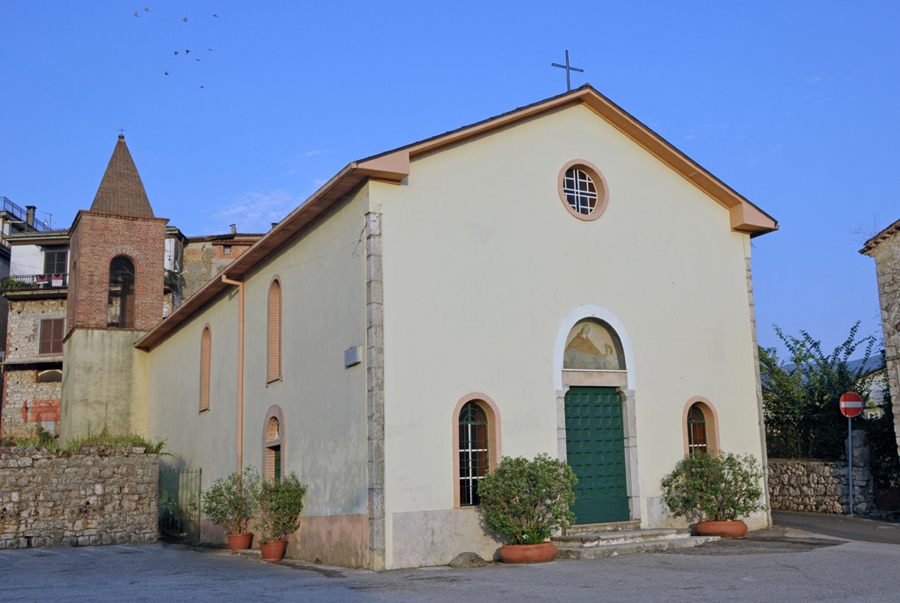
Amaseno. Church of St Roch

The church of St Rocco dating from the seventeenth century is a little outside the town centre of Amaseno.

it was built through the promises of the population during the epidemic of plague in Europe.

The church houses the statue of St. Rocco, who lived between 1295 and 1327, the saint who protects the plague-stricken.

It is built in plastered limestone and has a single nave.

Tradition says that for his feast people will carry in procession baskets filled with blessed bread and then give it to the entire population.

This tradition takes up the story of San Rocco hit by the plague, received a little dog with bread in its mouth sent by Providence.

powered by social2s

The monastery Madonna dell’ Auricola of Amaseno, this is church one of the most important spiritual and historical centres.

It has a Gothic style and its origins seem to date back to the thirteenth century, thanks to some documents where it is mentioned.

It seems to have been built by the Cistercian branch of the Benedictine monks.

The church is in local chiselled limestone and the facade and the entrance are of great architectural value.

The interior is rich in frescoes and decorations, it has a single nave with asymmetrical side chapels.
 

powered by social2s

Recommended

Subscribe to Newsletter

Discover a territory through the emotions of the people that have lived it.