Churches & Places of Worship

Isola del Liri. Church of the Immaculate Madonna

The little church of the Immaculate Virgin is a neo-Gothic style temple located inside the Cartiere Meridionali factory in Isola del Liri.

It was built by the Neapolitan entrepreneur Sorvillo, founder of the paper mill.

The church is located next to his original home and the Immaculate Madonna is highly venerated in Naples. Inside, the building is richly decorated and has a floor covered with mosaics.
powered by social2s
Castro dei Volsci- Chiesa San Rocco by Bettiol

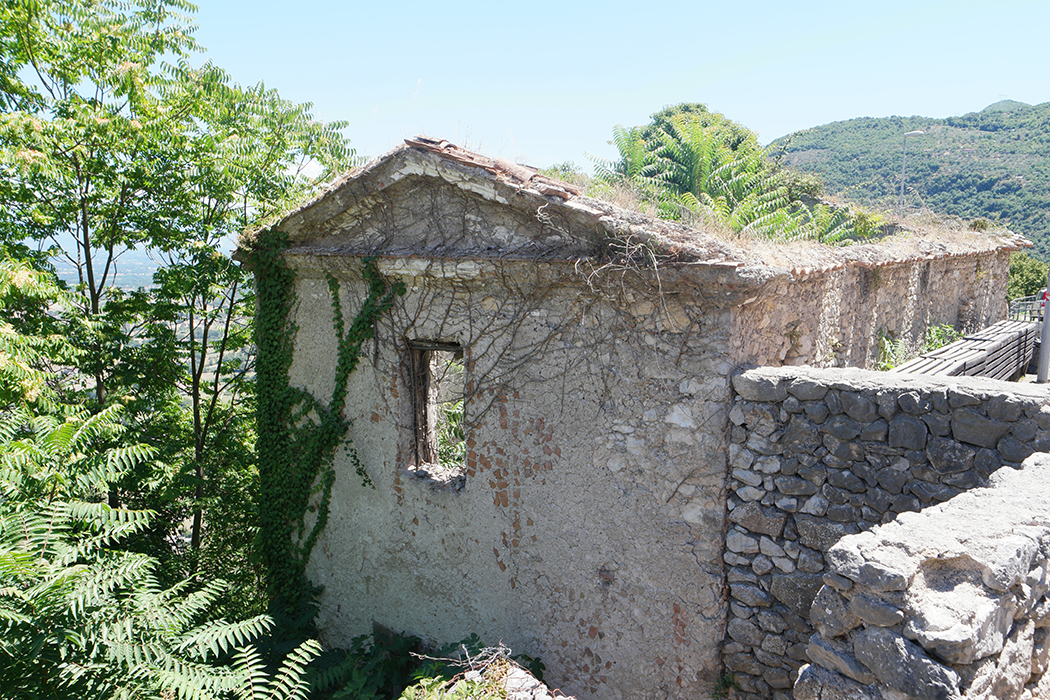
The first news of the church of San Rocco came with a visit by Bishop Lombardi in 1658.

Probably the building had been built two years earlier to protect Castro dei Volsci from the plague of 1656.

San Rocco is traditionally considered the protector against the plague and in many towns churches were built with small hospitals attached to accommodate sick and pilgrims.

The church is very simple and has only one room. Today it is in a state of ruin.
 

powered by social2s
Castro dei Volsci. Church of San Sosio

The church of San Sosio in Castro dei Volsci dates back to the end of the 19th century as a small chapel dedicated to the saint.

The building expanded when the cult of this saint spread to southern Latium.

Today it is a modern reinforced concrete building and brick facade view.

Inside the church there are many ex-voti.

Saint Sio is celebrated on September 23.
 

powered by social2s
Castro dei Volsci- Chiesa Santa Maria della Pace by Bettiol

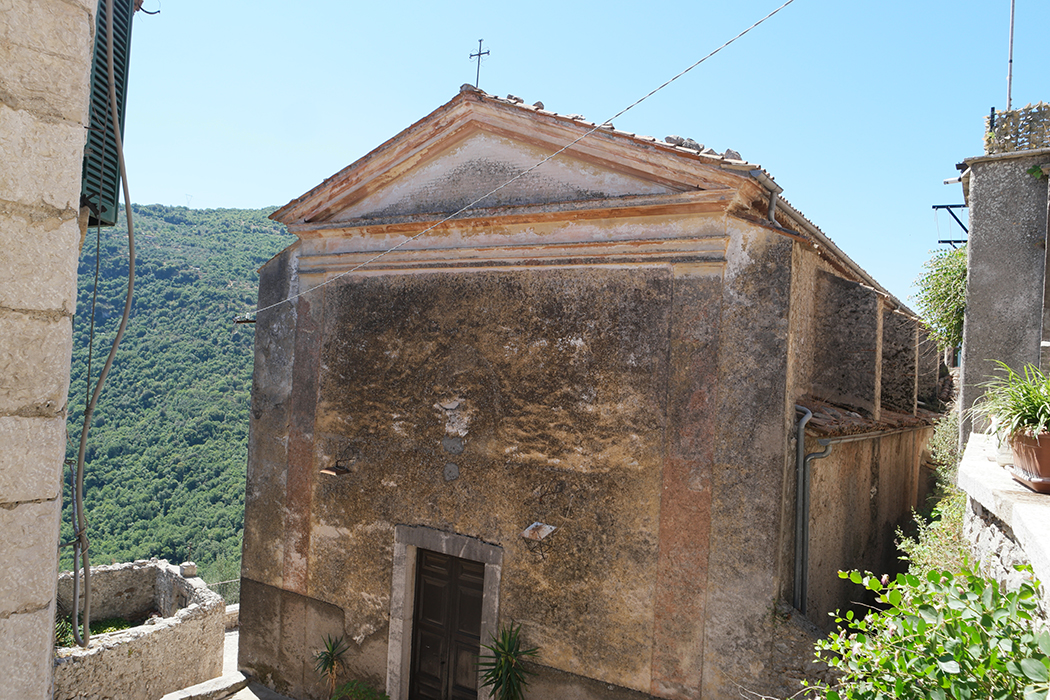
The church of Santa Maria della Pace dates back to 1600 and was built in Castro dei Volsci.

Its name comes to the effort of bring peace between the duelers who used to clash in this area called Pozzotell.

The church has a simple plastered facade adorned with a door and a gable.

It is integrated into a limestone building and is accessed through simple stone steps.
 

powered by social2s
Castro dei Volsci. Church of St. Francis

The church of St. Francis was built in 1955 for the will of the inhabitants of the district of Castro dei Volsci near the railway station who have engaged in the works and the purchase of the furnishings.

The land belonged to a Franciscan friar, and for this reason the church was consecrated to Saint Francis.

The simple building of reinforced concrete with a bell tower made of iron gratings, was restored in the 1980s.

powered by social2s
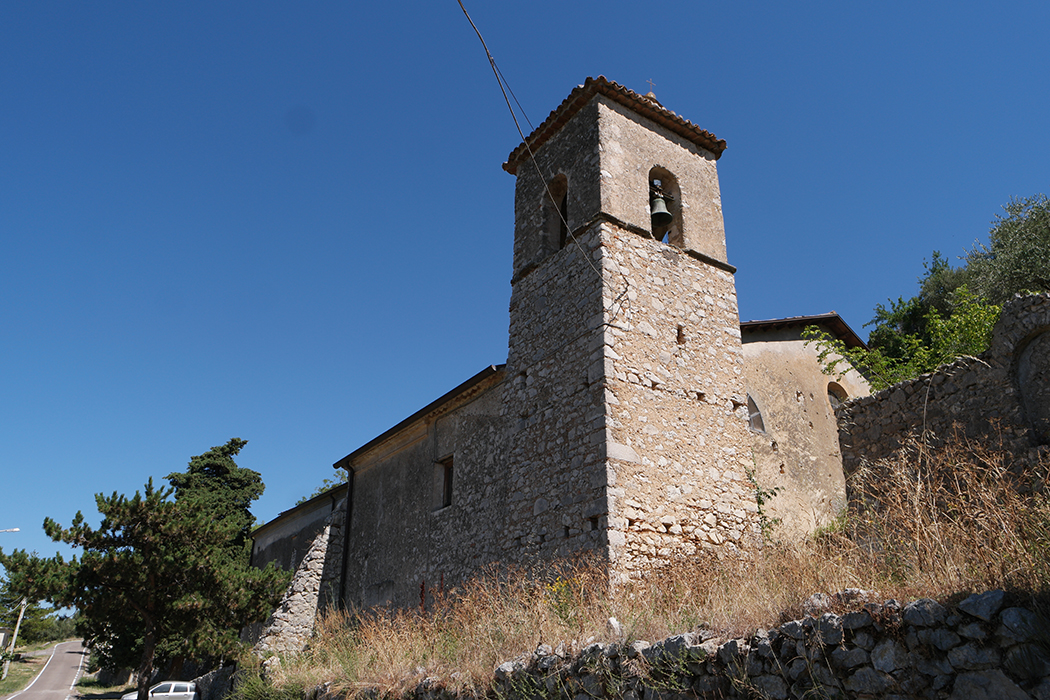
Castro dei Volsci- Chiesa di San Nicola by Bettiol

St. Nicholas was considered the guardian of the gates of the town of Castro dei Volsci and this church is located right beside Portella.

It was the access gate and therefore the most vulnerable point of the city walls of Castro.

Other towns of Lazio also have churches dedicated to St. Nicholas always located outside the walls.

The original core of the church dates back to the sixth century and is in the inventory of the possessions of the Diocese of Veroli in the Bull of Pope Pascquale II of September 4, 1108.

The church is the main historical monument of Castro dei Volsci and frescoes date back to its construction, when it was still a modest oratory.

The pictorial cycle includes two series of stories from the Old Testament and of the Benedictine school gospel and have been heavily damaged by old building extension work.
 

powered by social2s
Castro dei Volsci. Church of Santa Maria

The church of Santa Maria is located within the city wall of Castro dei Volsci where once the convent of the Minor Franciscan Brothers stood.

Probably it dates from between 1156 and 1160, but over the centuries has had many renovations.

Inside there are paintings dating back to the Romanesque period and are part of the original church.

Notable are a marble wall tabernacle and two holy water fonts in carved stone glaze-shaped like lilies, and supported by similar columns.

The eighteenth-century organ is on the choir stand and comes from the church of Santa Salome in Veroli.

There are also oil paintings of St George and a representation of the Virgin on metal plate.

A tradition of the faith has it that one of the ancient bells of Santa Maria was rung by the sacristan every time a storm was forecast.

Legend has it that, as if by magic, at the sound of the bell the threatening clouds, especially those with hail would thin and stop at the edge of the Castro area.

powered by social2s

Recommended

Subscribe to Newsletter

Discover a territory through the emotions of the people that have lived it.