Churches & Places of Worship

Castro dei Volsci. Church of San Tamaro

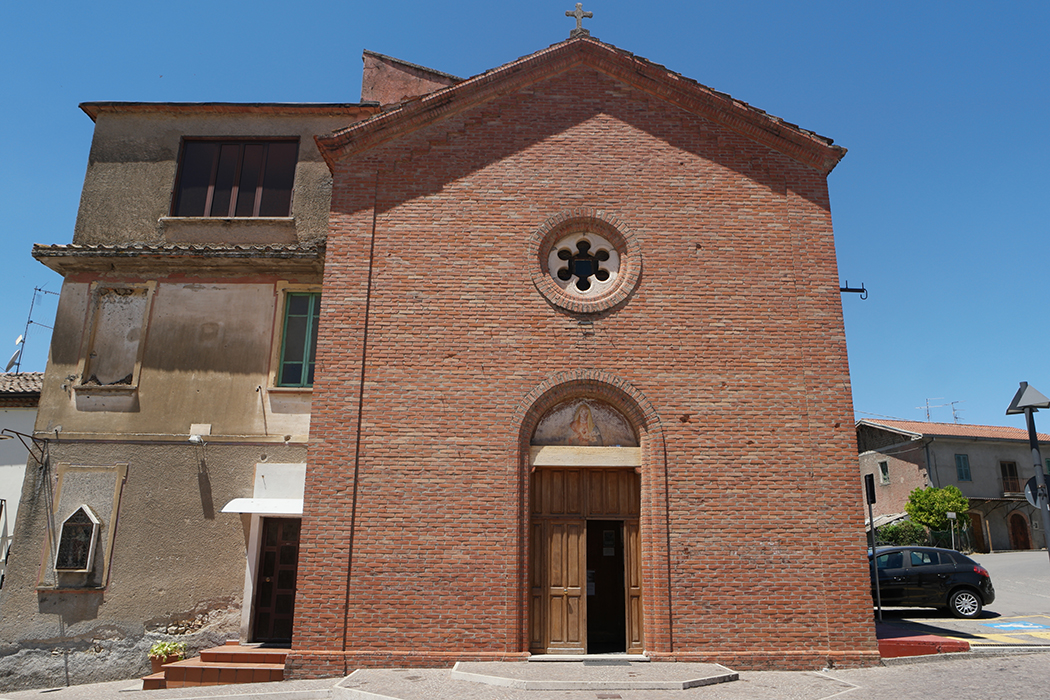
The church of San Tamaro is in Castro dei Volsci was the ancient church Holy Cross consecrated by Eugene III in 1151 during a stay on a trip from Fossanova to Montecassino.

From the archives of Montecassino, the church was visited by other Pontiffs: pope Lucius III (1183), pope Innocent III (1208) and pope Honor III (1226).

The altar is called 'papal' because it faces the people unlike the normal altars that, before the Second Vatican Council, were constructed so that the priest turned his back on the faithful.
powered by social2s
Castro dei Volsci- Chiesa di SantOliva by Bettiol

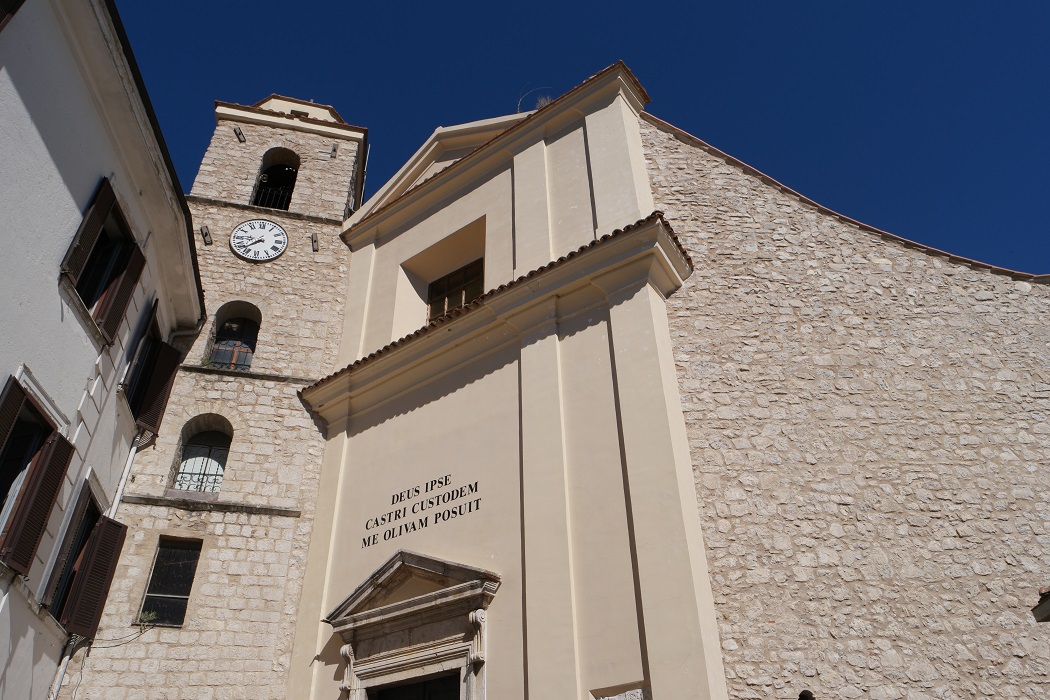
The church of Saint Oliva in Castro dei Volsci dates from the twelfth century, it is mentioned in a Bull of Onorio II, dated 28 November 1125 from the Lateran council.

The church is adjacent to the fortress, inside the castle walls.

The church was rebuilt in Baroque style and enriched by many paintings and ornaments.

Inside there are signs of major alterations to the altar consecrated in 1537.

There is a late eighteenth-century painting of the Roman school depicting St. Francis Xavier and St. Sebastian Mola.

powered by social2s
Ceccano- Chiesa Madonna delle Grazie by Alberto Bevere

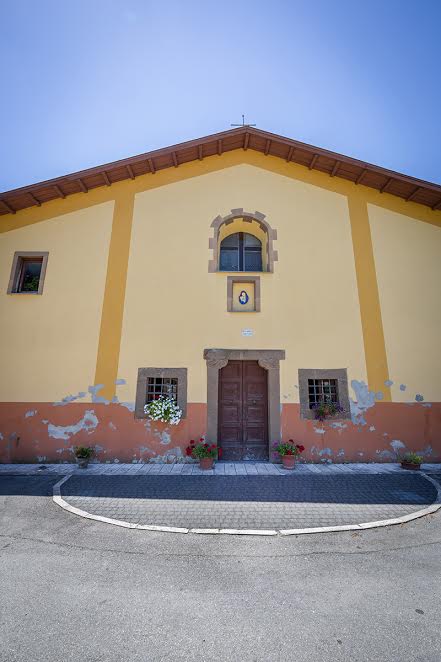
The a small country church of Madonna delle Grazie in Ceccano was built in 1712 on the site of an ancient sacred church.

Inside it is possible to admire a twentieth-century statue of the Virgin crowned with the Child and a painting depicting Pope Gregory the Great with St. Sioyus deacon and Saint John the Evangelist.

Noteworthy is the XVI-XVII century fresco with a rare representation of Our Lady of Grace with the Virgin depicted with a naked breast while nursing Jesus.

powered by social2s
Ceccano- Chiesa di San Rocco by Alberto Bevere

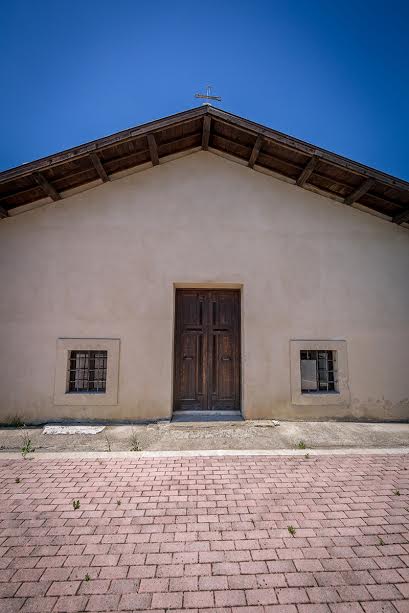
The church of San Rocco in Ceccano was originally dedicated to the Madonna of Loreto.

This church was built according to the will of the population in the eighteenth century on the road that leads to Frosinone and over the centuries has been used as lazaret during epidemics.

The interior has a single nave and a single altar, with the wooden statues of San Rocco, the Madonna of Loreto and San Vito.

powered by social2s
Ceccano- Casa Palaziata Gizzi by Alberto Bevere

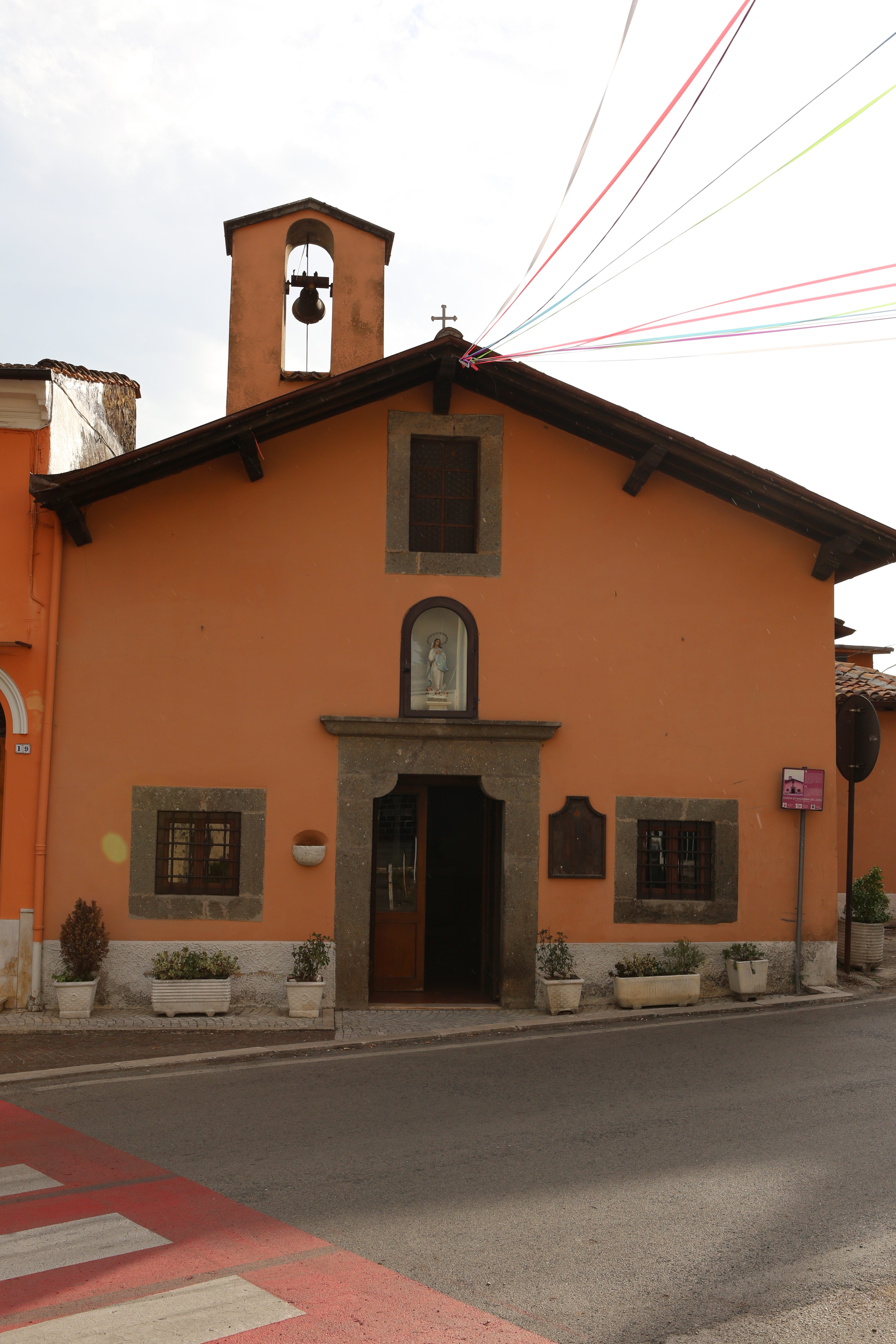
The church of Madonna de' Loco in Ceccano was built in 1600 in the place where a medieval icon was found.

Worth viewing are the Madonna del Loco canvas, on the right wall a tombstone that reminds of the coming of St. Paul of the Cross and the altar of St. Anthony with numerous ex-voto.

powered by social2s
Ceccano- Chiesa della Madonna della Pace by Alberto Bevere

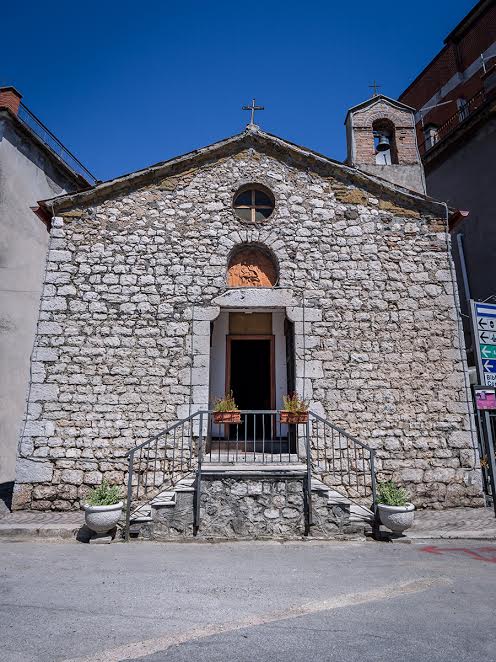
Located outside the walls of Ceccano, the church of the Madonna of Peace it was restored in 1645 by the Angeletti family.

It was used as a lazaret (contagious diseases hospital) during the epidemics.

Inside it houses a 17th century table with the Lord's (Jesus) Nativity. 

powered by social2s
Cave. Original Church of Saint Stefano

Under the church of Santo Stefano is the original church of 1400s, which is accessed from the entrance to the Ferri Museum of Cave.

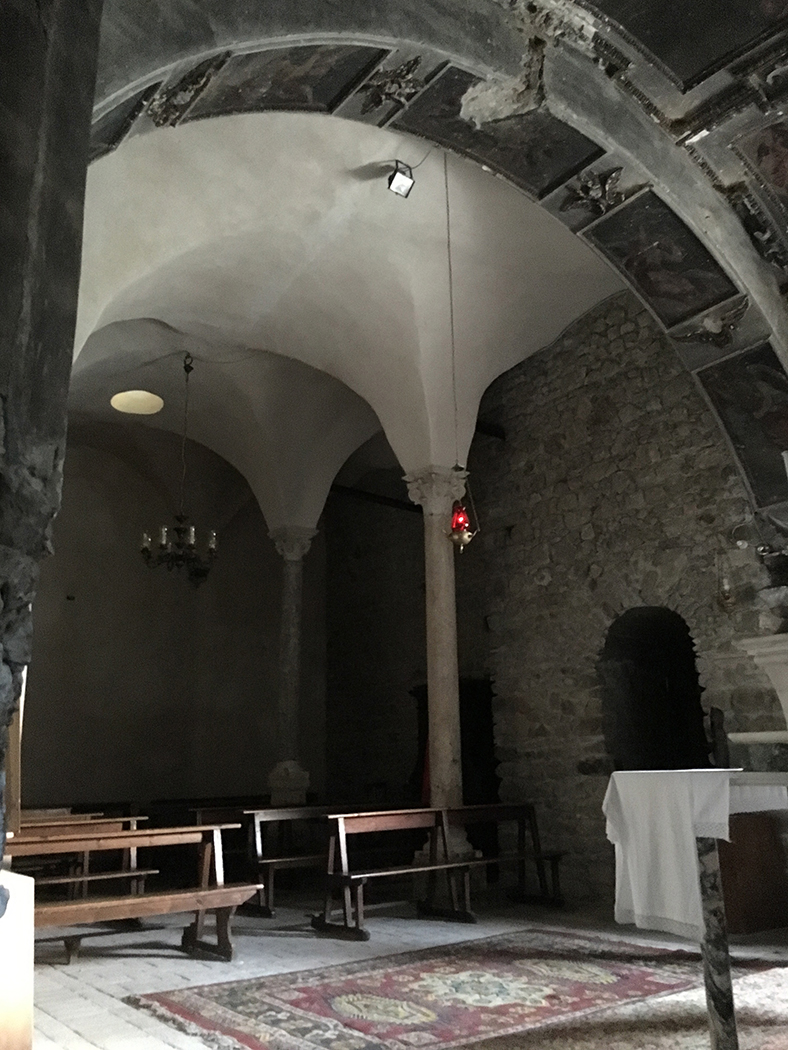
The church has a single nave with a cross vault supported by four columns with reused capitals and a semicircular apse.

It is covered by a stuccoed ciborium (altar canopy) of the sixteenth century and entirely frescoed with a cycle depicting the passion of Christ realized in the 1500s by artists of the Zuccari School.

You can notice a difference in height of the floor due to the ancient use of this church as a burial site of several members of the Colonna family.

powered by social2s

Recommended

Subscribe to Newsletter

Discover a territory through the emotions of the people that have lived it.