Churches & Places of Worship

Foto Sara Carallo
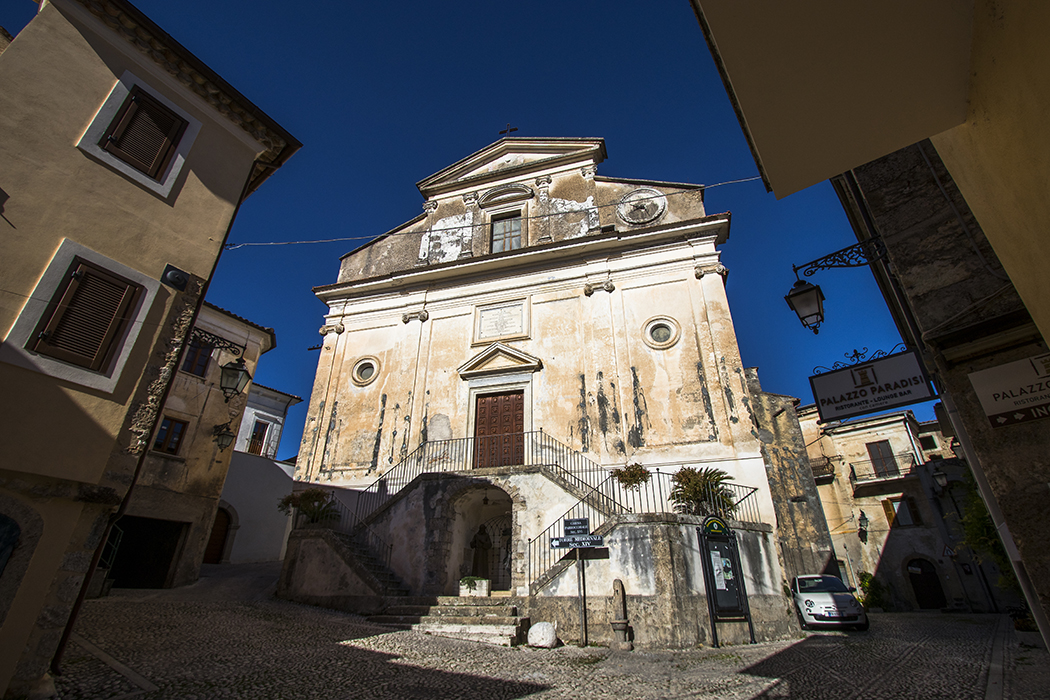
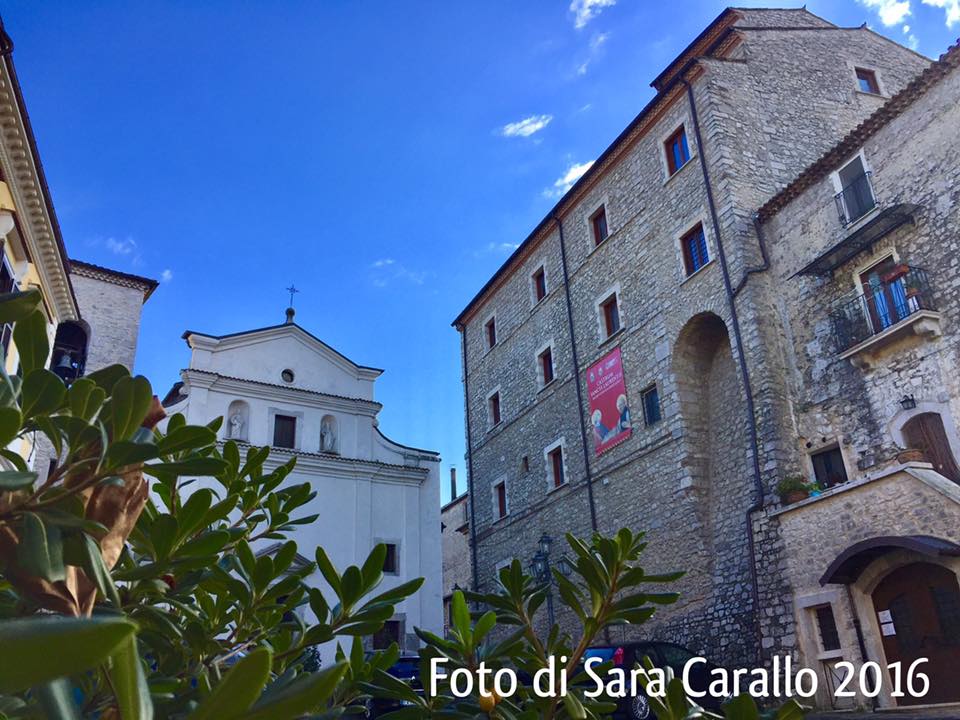
Amaseno. Church of St Peter

Some documents relating to the payment of taxes goes back to the Church of St Peter of the fourteenth century.

It is then mentioned in the will of the feudal lord Richard of the Counts of Ceccano, dated 1315.

In the testament he appointed two beneficiaries: one for the church of Santa Maria, where he wants to be buried, and the other for the church of Saint Peter, with the obligation to the pray for his soul.

The church of Amaseno has been rebuilt several times until 1749 so there are some parts of the Gothic church and other eighteenth century.
powered by social2s
Foto Sara Carallo
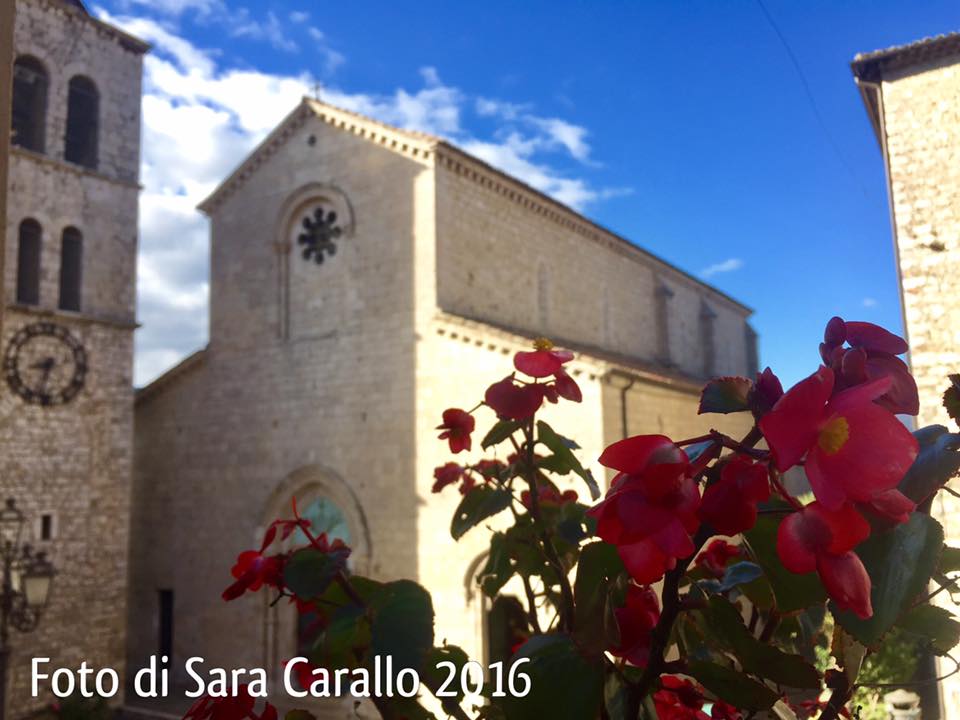
Amaseno. Church of Santa Maria Assunta

The church of Santa Maria Assunta was consecrated in 1177 in Amaseno.

Its pulpit dates from the late thirteenth century and was built by Pietro e Giacomo Gullimari de Piperno (Priverno).

The medieval church has many Cistercian characteristics both in the plan and in the architecture.

Inside lies the miraculous blood of San Lorenzo Martyr which melts on August 10 in Amaseno.
 

powered by social2s
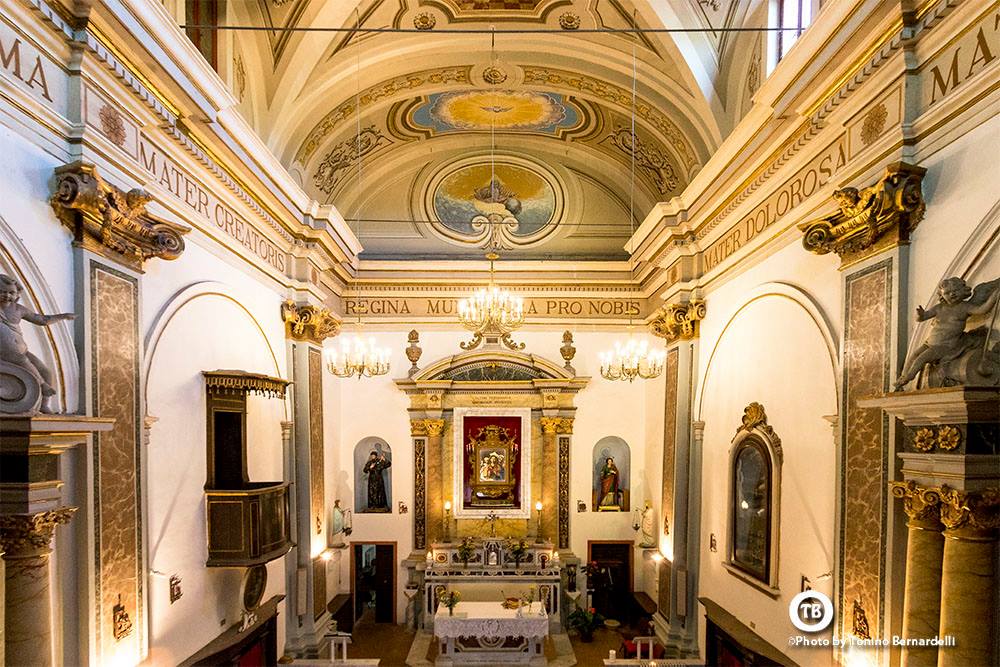
Fontechiari. Church of Santa Maria or Madonna of Brothers

The church of Santa Maria or Madonna of Brothers was built on the remains of the ancient Benedictine monastic cell at the entrance to the village of Fontechiari.

According to tradition, it was founded by the monks Iacopo and Bernardino of Catalonia who brought the worship of the Madonna dei Fratelli (of the Brothers) to the town.

The church has a rectangular plan and is in Baroque style decorated with fake marble on the walls.

It has a beautiful fresco representing the Trinity and inside it is the painting of the Madonna dei Fratelli del 1700s.

Above the entrance, a beautiful functioning organ made by the Catarinozzi family.

powered by social2s
Fontechiari. Church of St. John the Baptist and St. John the Evangelist

The church of St. John the Baptist and St. John the Evangelist in Fontechiari dates back to the 18th century.

It has three naves in baroque style decorated in stucco and ‘fake marble’ done so well as to arouse admiration even today.

On the apse you can see four ovals with the signs of the mother church: the sacrifi cial lamb; the ostia bread of life, the pelican that rips its own fl esh to feed the children, and the anchor of salvation.

At the entrance is an ancient organ made by the Catarinozzi family, which, in the period between 1700 and 1800, has made all the organs of the churches of the area.

powered by social2s
Gavignano. Calvary Church

The Calvary church was built in 1763in Gavignano by Prince Pamphili and expanded in 1837 with the addition of two side chapels.

The plan is a Greek cross, and the altar has a painting of the Crucifixion.

In 1894 the façade was rebuilt by Pope Leo XIII, and the vault is frescoed with the most significant symbols of the Passion.

On the altar is painted the coat of arms of the Pope.

powered by social2s
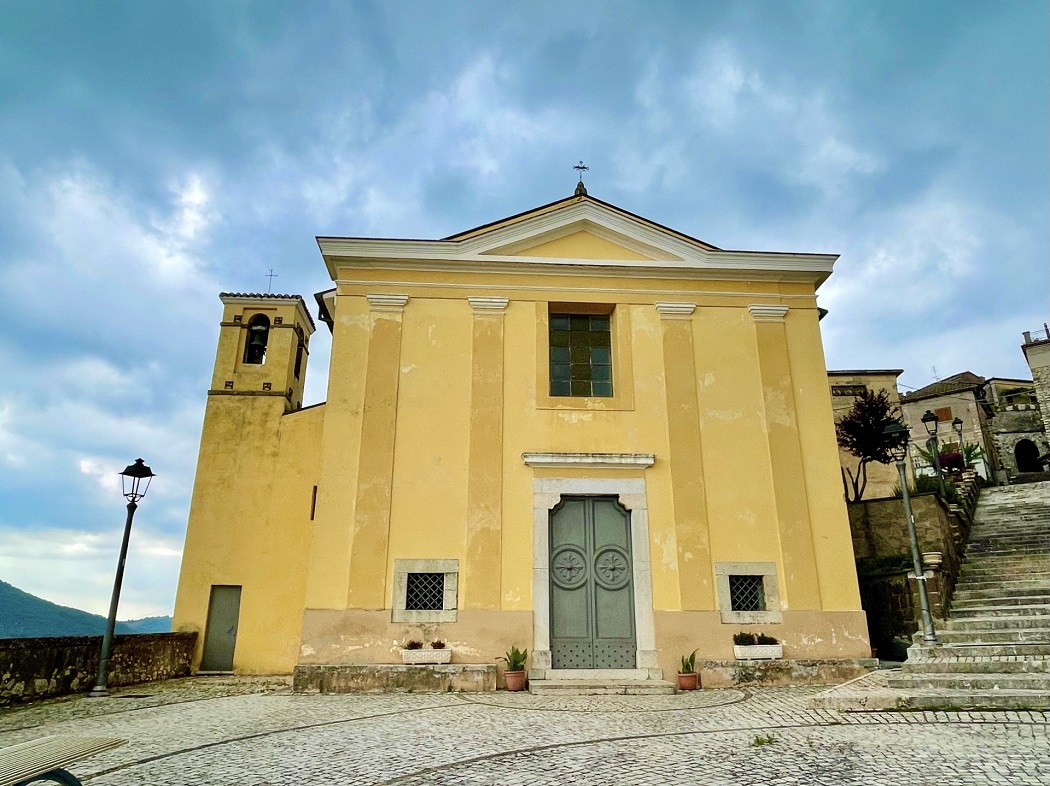
Church of San Rocco and Madonna delle Grazie

The name of the church of San Rocco and Madonna delle Grazie corresponds to its architecture.

The church is ideally divided in two between San Rocco, protector from the plague and patron of Gavignano, and the Madonna delle Grazie with two statues in special niches.

The church dates back to 1679 and was renovated in 1736, with the chapel of the Madonna.

In 1854 the inside was updated and a small bell tower erected.

In 1907 on the initiative of archpriest Francesco Sinibaldi the church was doubled, with a neoclassical façade.

The chapel and the altar of the Madonna were embellished with marble and frescoes.

powered by social2s
SAMSUNG CSC
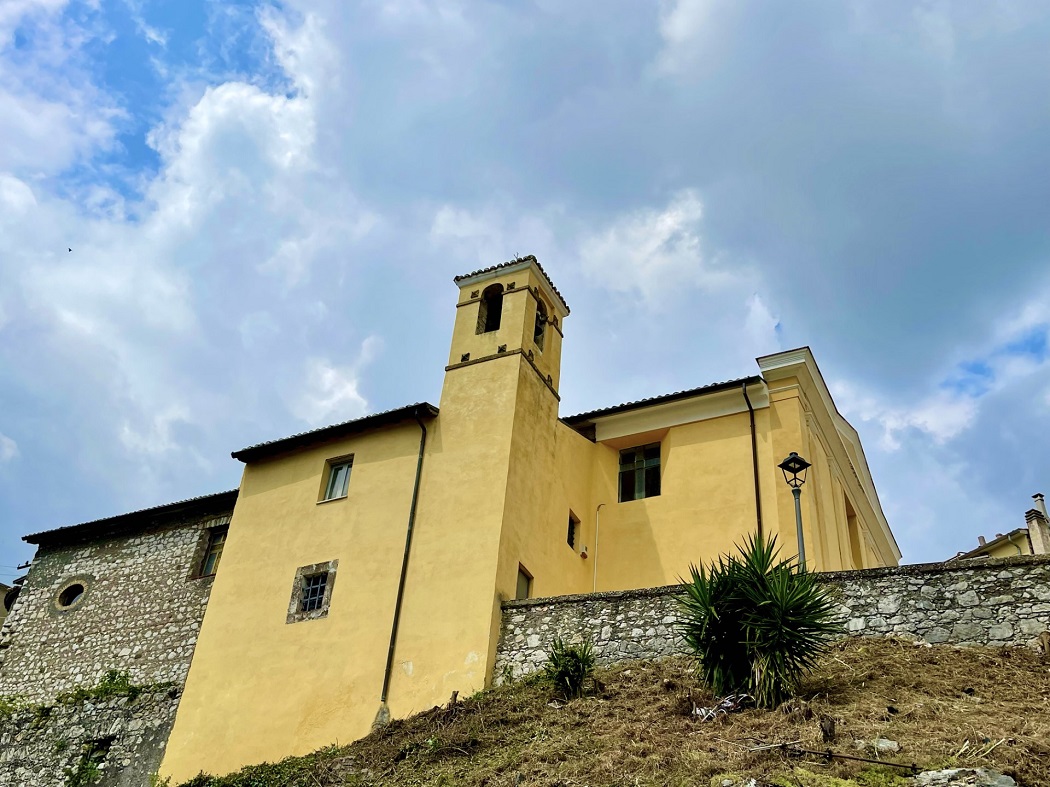
Gavignano. Church of Saint Mary

The church of Saint Mary in Gavignano was part of the Rossilli monastery.

The earthquake of 1495 destroyed it and the church was rebuilt in the sixteenth century.

At the end of the seventeenth century a new building was constructed, above the previous church.

The interior is in Baroque style and the church has three naves and eight side chapels, the central vault is frescoed with images of the Madonna.

The Crucifix Chapel is decorated with precious marble.

powered by social2s
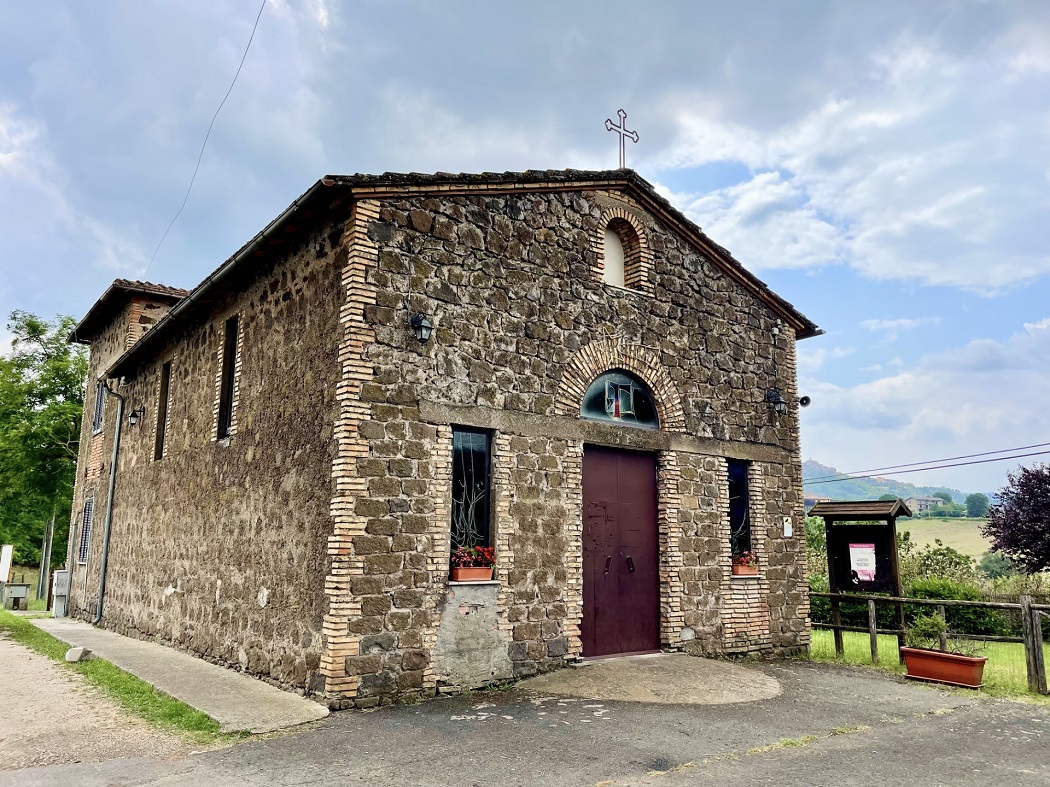
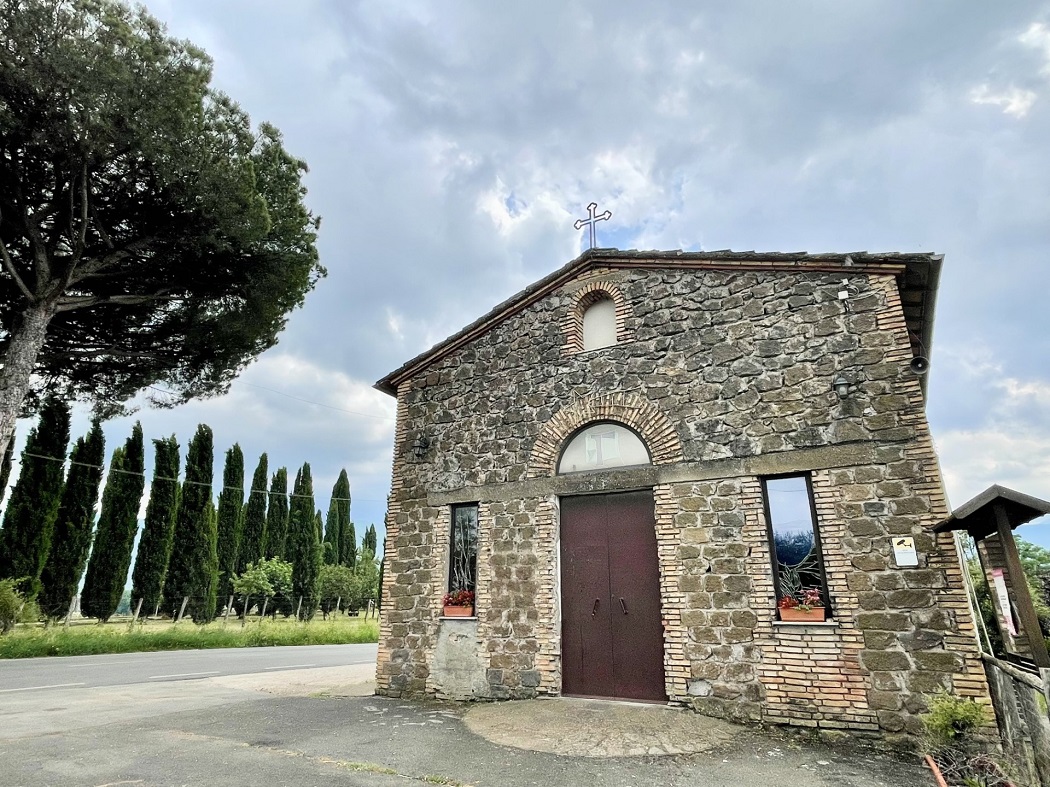
Church of Saint Anthony the Abbot
 Church of Saint Anthony the Abbot

The church of Saint Anthony the Abbot is a small cult building in the countryside along Carmine road in Gavignano, not far from the Fonte Meo.

Its shape recalls that of the traditional country houses of the area made of blocks of fairly regular tuff and with the openings decorated with red bricks. On the façade, the openings on the sides of the door and the lunette above the door have stained glass windows reproducing sacred images.

The interior has a single nave, on the altar there is a crucifix and on the sides two statues of the Madonna and of Sant'Antonio Abate.


powered by social2s

Recommended

Subscribe to Newsletter

Discover a territory through the emotions of the people that have lived it.