Churches & Places of Worship

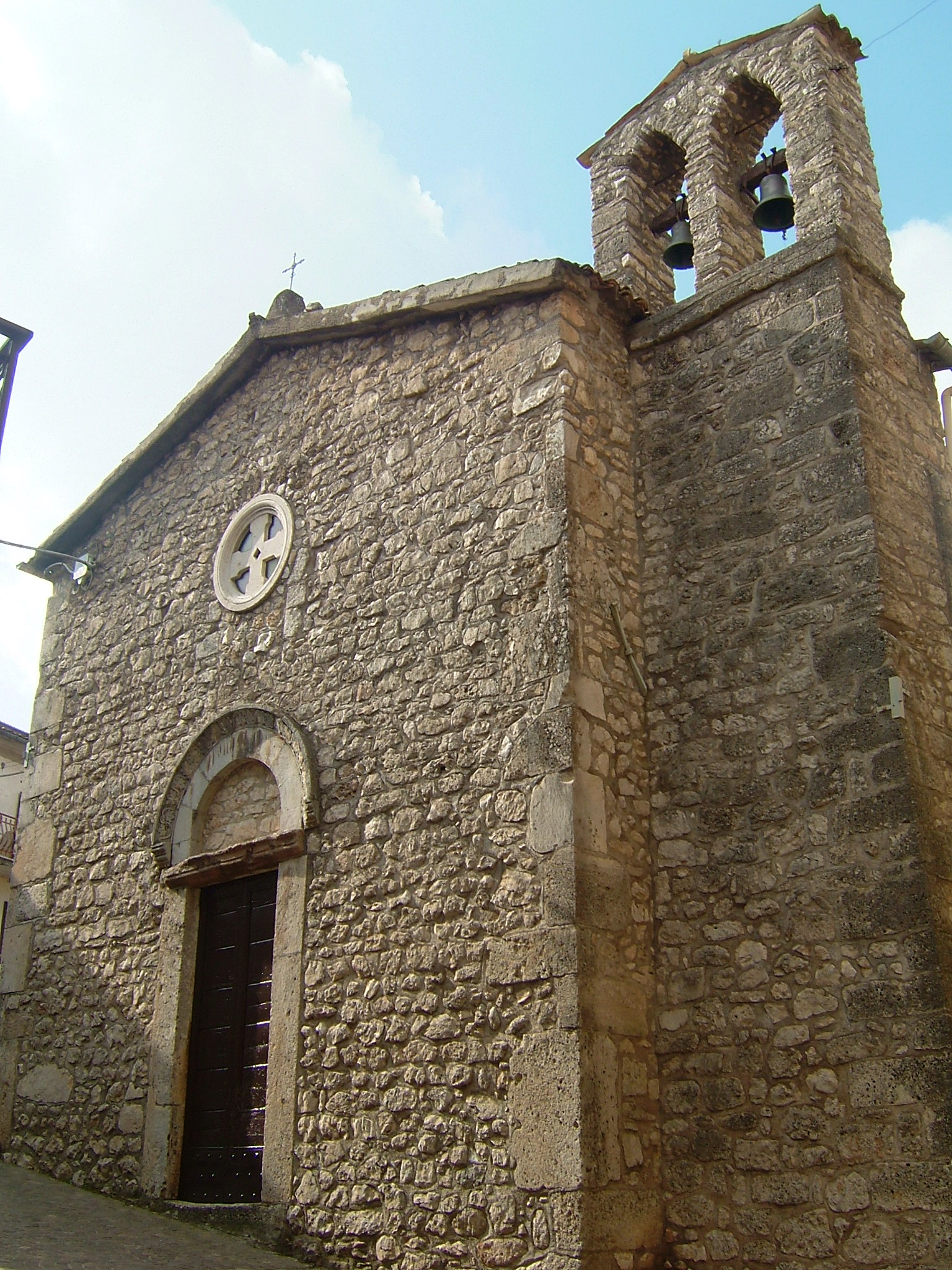
Vico nel Lazio- Chiesa Santa Maria- DAbbruzzo

The church of Santa Maria in Vico nel Lazio has a Romanesque style with an ogival vaulted roof, a beautiful exterior portal and a small bell tower.

The church dates back to the eleventh century and in a document of 1147 it is reported that the relics of the apostles, SS Peter and Paul were kept inside.

The church has a single nave that ends with a Romanesque altar, a choir and a painting by the artist Monacelli of 1864.

In this area you can admire the Madonna of the Seven Veils, a statue of Our Lady that was covered with seven robes and dates back to the eighteenth century.

Among other works there is a Christ-crucified carved on a cross covered with mother-of-pearl, a product of the oriental handicraft of the eighteenth century.

The church was originally frescoed, but only parts of the XII century and some of the 13th and 14th centuries are recognized today.

Crypt

Below the presbytery there is a crypt, surrounded by large columns, frescoed with two different styles, one that recalls the cathedral of Anagni and one made by 19th-century Roman artists.

The church is home to the Rosary Confraternity that deals with religious celebrations.

The Virgin of the Seven Veils

This Madonna was an object of worship especially by the shepherds, who on the day after the celebration of the feast of Our Lady of the Rosary in October, left for the movement of their flocks from the Roman high countryside.

The custody of the statue and the organization of the feast is entrusted to the local Confraternity of the Rosary.

Its name derives from the fact that it was originally adorned with seven garments that were alternated.
powered by social2s
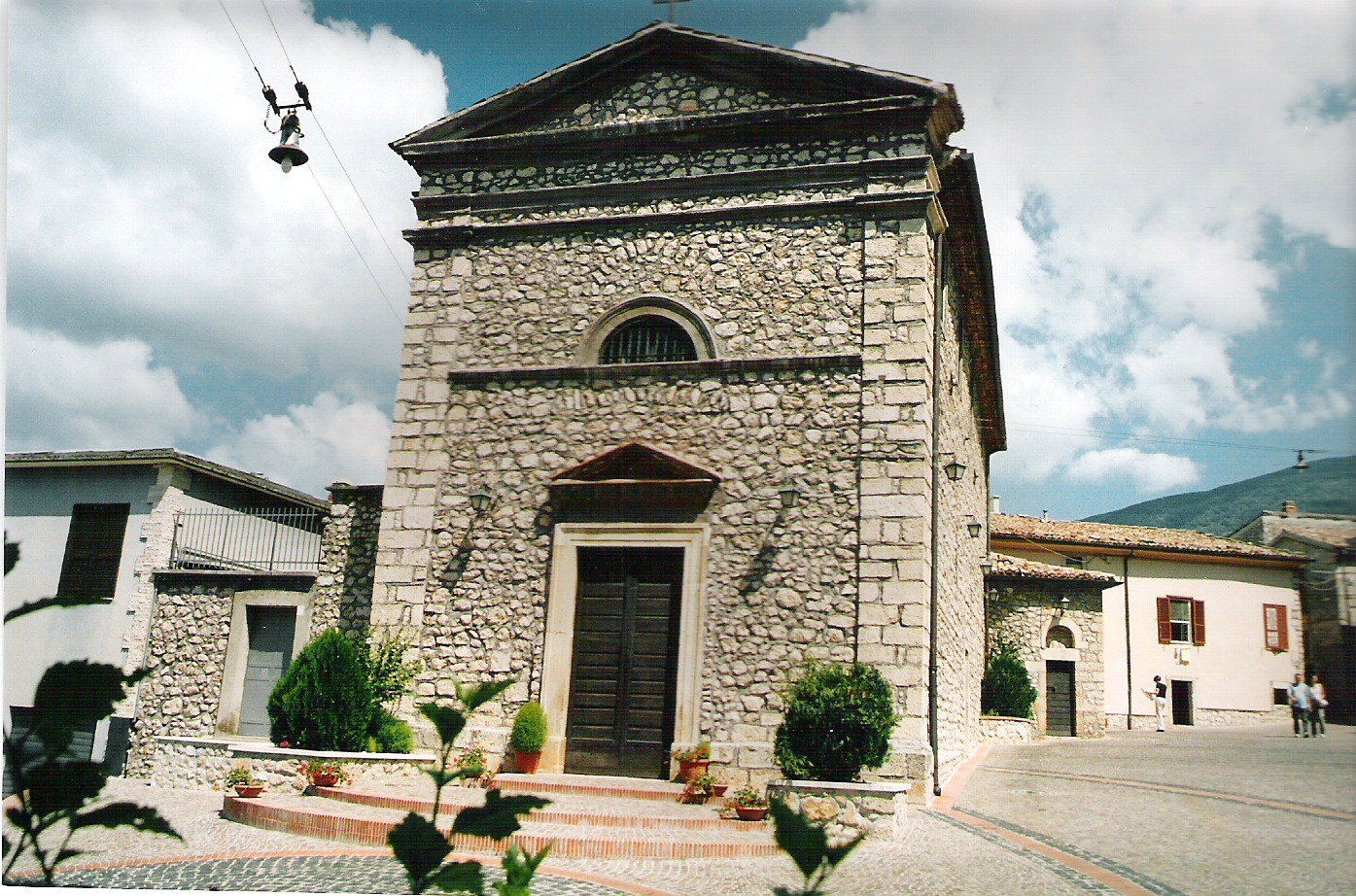
Vico nel Lazio- Chiesa san martino piazza- DAbbruzzo

The church of St Martin in Vico nel Lazio dates back to the tenth century and its construction used Roman remains, as is apparent from the architrave.

The building was then restored in 1887.

Inside there is a wooden statue depicting a 12th-century Virgin with Child, Romanesque style with Byzantine influences, with traces of original colour.

The church is home to the Brotherhood of Prayer and Death since 1857 and on the altar there is a machine from the procession of 1897 and a plaster statue of the Madonna of Sorrows from 1942.
 

powered by social2s
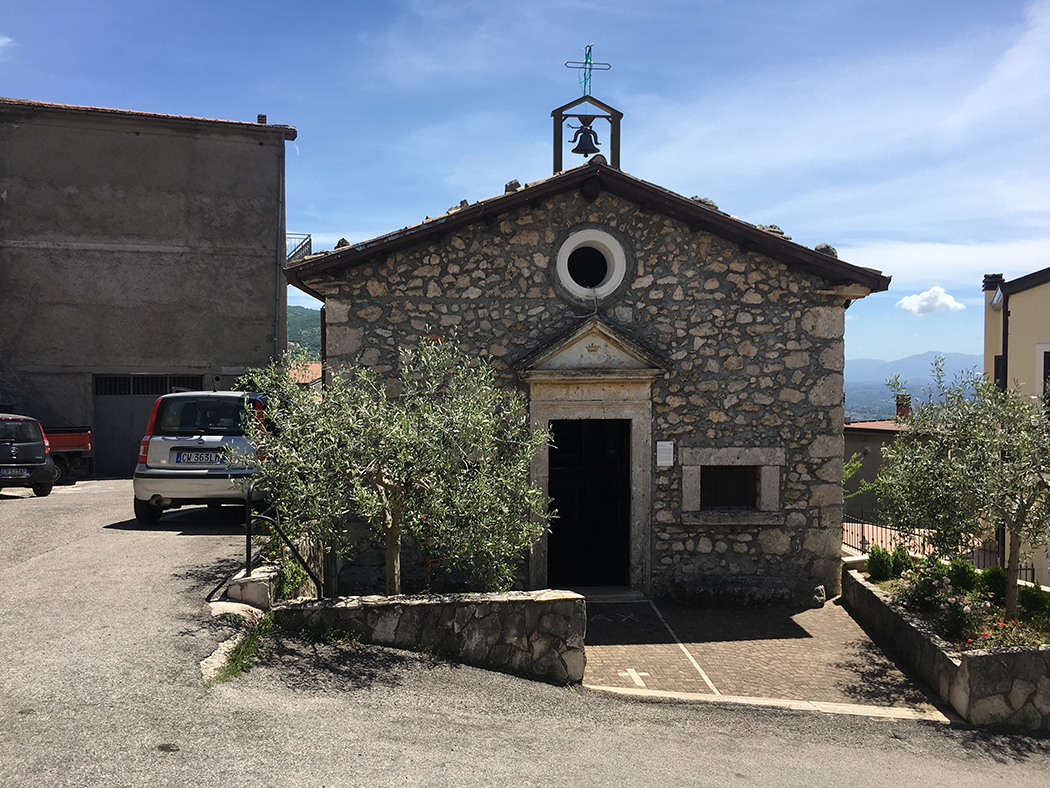
Vico nel Lazio. Church of St George

The first news of the church of St George in Vico nel Lazio is from 1191 and the building is as a single nave with double gable cover: from the medieval and a sixteenth century.

The doors have a sixteenth-century architrave and the side has a St George fresco on the gable.

Above the main altar there is a 19th century wood carving of St. George on horseback killing the dragon, that was made by a South Tyrolean sculptor. Above the altar there is a canvas of St. George perhaps by Joseph Cesari.

Inside there is also a banner painted with tempera on the two facades that depict St George, on the one hand, and San Sebastiano and Sant'Antonio with the child on the other. The banner is from 1907 and was made by G. Gaglia.

St. George

The church is home to the Confraternity of St. George from 1854. The cult of St. George is special.

The saint was born in 280 AD in Cappadocia and became a member of Diocletian's guard. While still very young, he was martyred by decapitation in 303 in Lydda, Palestine, for refusing to deny the Christian faith to which he had converted.

His cult soon spread to both the East and the West, becoming a protector of cities and nations, including the patron saint of  Vico nel Lazio.

San Giorgio is depicted by various artists as a soldier on horseback in the act of killing the dragon, a symbol of evil.

In Vico nel Lazio, this saint is particularly valued for having saved the country from the British bombing, as bombs fell on the uninhabited hill of St. Nicholas, about 200 meters north of the town.

powered by social2s
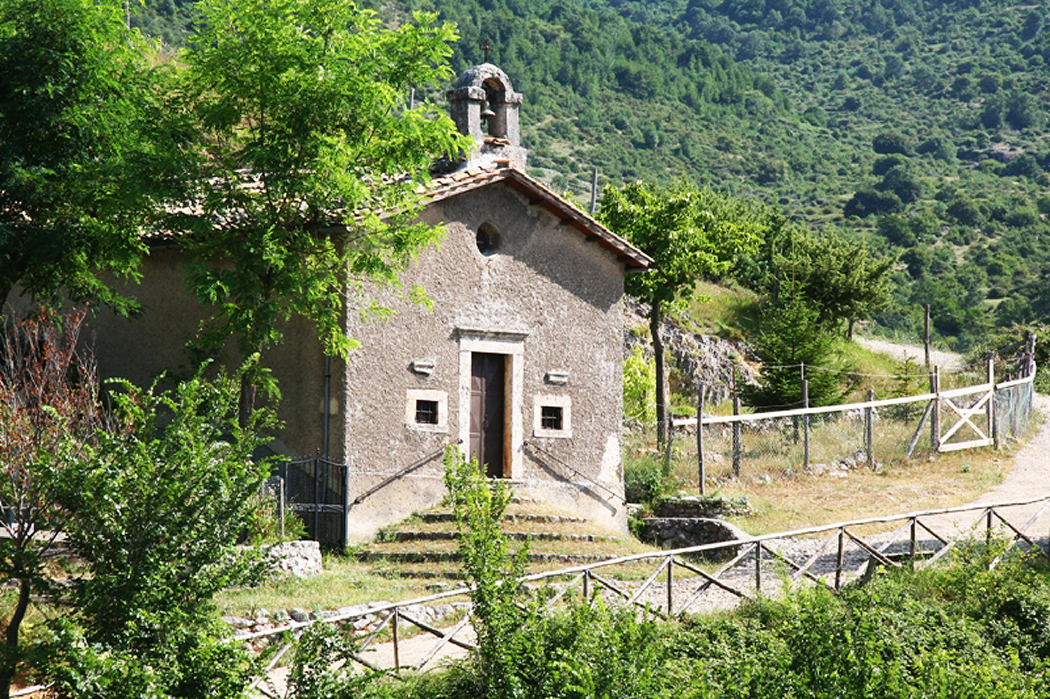
Vico nel Lazio- Madonna del campo- DAbbruzzo

The sanctuary of Madonna del Campo in Vico nel Lazio is about 1 km outside the village at an altitude of 760 metres above sea level and dates back to the XV-XVI century being built on a former pagan altar.

Inside, the church is covered with a barrel vault, and has a precious fresco of the Trinity depicting a rare crucified Jesus.

As a result of its beautiful landscaped location it is a starting point for numerous hiking trails to the mountains: La Monna, Forchetta and Rotonaria.
 

powered by social2s
Vico nel Lazio chiesa Madonna del Carmine - Bettiol - 45

The little church of the Madonna del Carmine is located just outside the walls of the village of Vico nel Lazio, near Porta Otricelli, and was built around the 1500's by Notary Laurentino of Vico.

The church is also called 'Madunnella' for the great fresco of Our Lady with Child found on the wall at the back.

Next to the Virgin Mary are two frescoed Saints: St. Francis and St. Carlo Borromeo.

powered by social2s
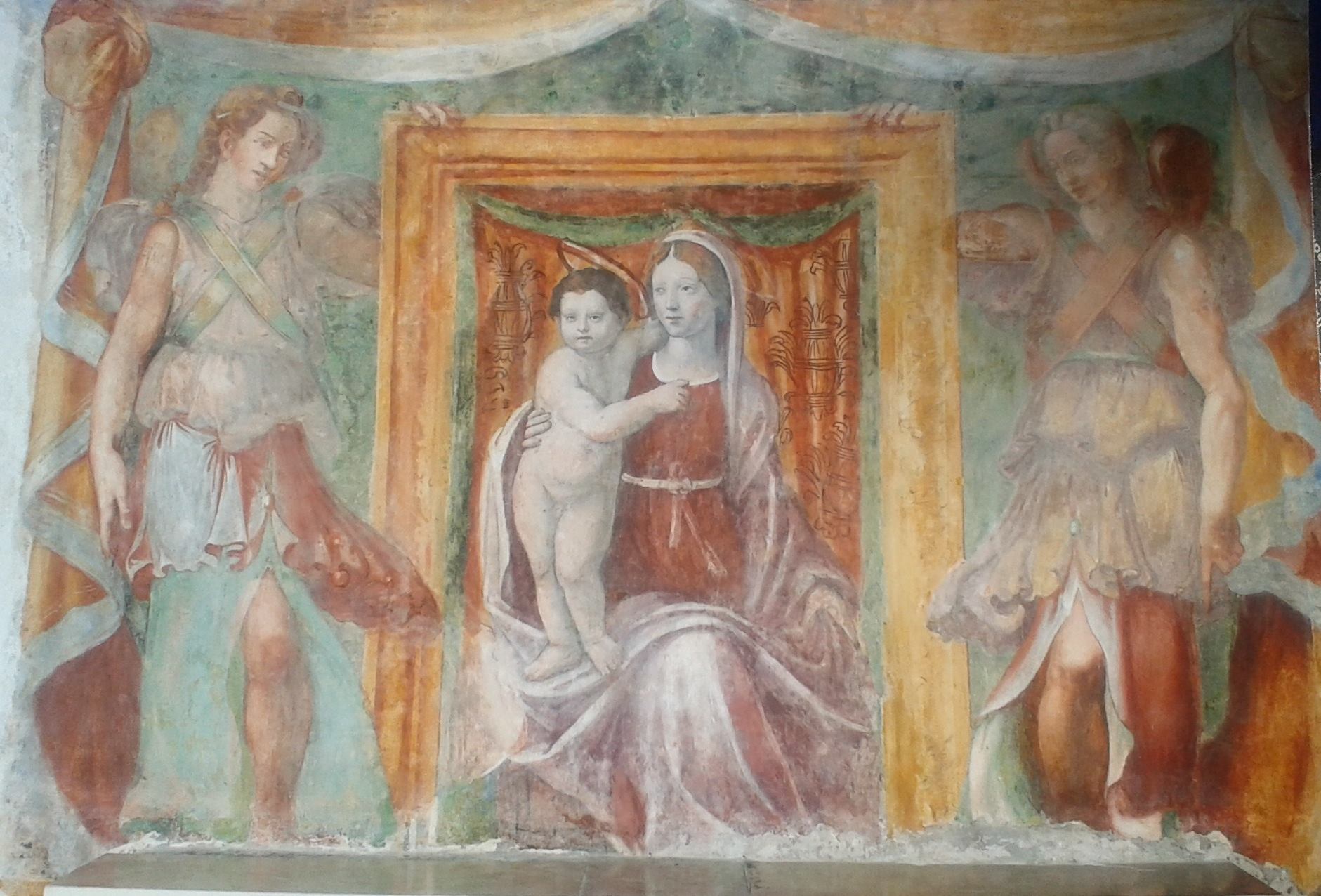
Madonna delle Grazie Affresco- DAbbruzzo

The church of Sant'Antonio Abate or Madonna delle Grazie is located just outside the town centre of Vico nel Lazio and dates from the 14th century, and was then expanded in the 16th century.

It is built around a small chapel with a fresco sacred image of Our Lady with Child. This fresco is found again near the main altar.

The church has a rectangular plan and inside there are two finely-painted altars of the late 16th century with a style of the first Baroque age.

All Baroque paintings come from the school of Cavalier d'Arpino, one of the most important Roman artists from nearby Arpino.

The old main altar was surrounded by four wooden columns on stone basements, that still exist and that formed a canopy cited in the sacred visits of the seventeenth century.

The church is home to the Confraternity of St. Anthony Abate and here the processional carriage is kept with the statue of the saint.

powered by social2s
Vico nel Lazio. Church of Madonna of Concordia

The church of Madonna of Concordia is located 2 km from the village of Vico nel Lazio and dates from early in the first half of the 18th century.

The construction of the current design was completed in 1734. The new cemetery built in 1875 is located at the church.

Its interior has a majestic Baroque altar style, various oil paintings, including a canvas representing the visit of Saint Elizabeth of 1783, one of the Presentation at the Temple, one of an Annunciation, one of the Wedding Ceremony of the Madonna, one of The Escape from Egypt and one of the Birth of Jesus.

The original church was visited by many pilgrims from the neighbouring Kingdom and Naples, especially on the days of celebration, and in 1724 expansion was initiated thanks to the intervention of the populace and the clergy.

In the chronicles, the church was inaugurated in 1735 in presence of four thousand faithful while "the coronation was accompanied in the Sacred Ceremony with Bells, Tambourines and an Archibugiate (early musket) Shootout by the soldiers, under the command of Captain Liberio Sterbini."

The Church houses the Confraternity of the Madonna of Concordia founded in 1828.
 

powered by social2s
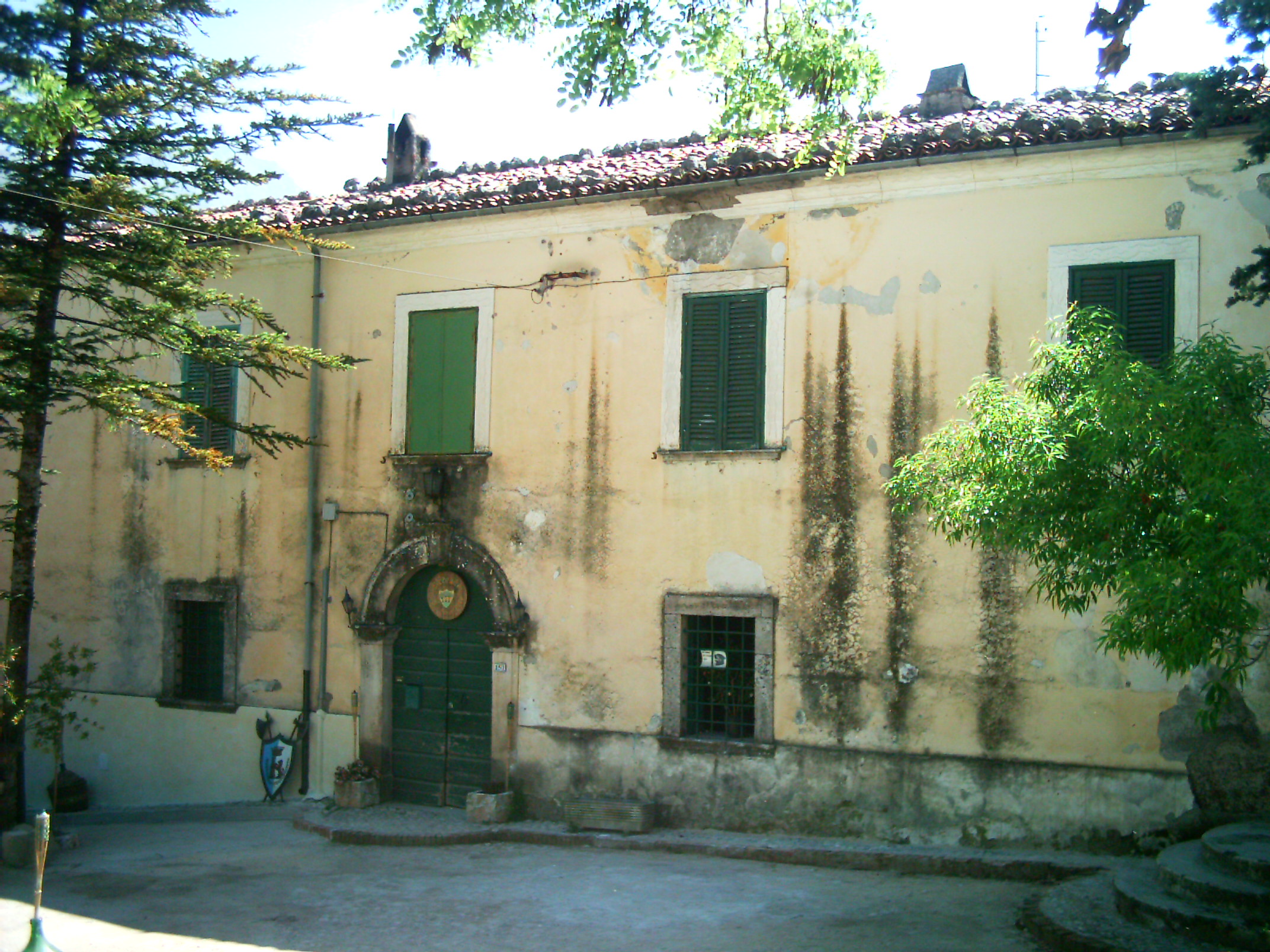
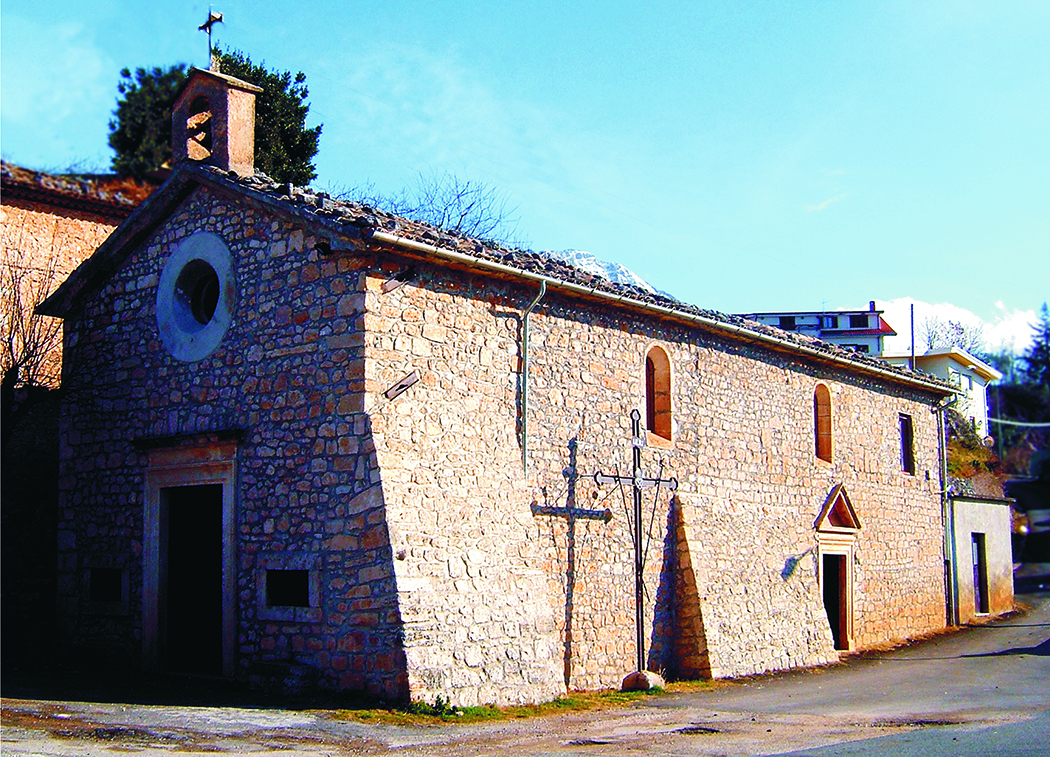
Grancia-DAbbruzzo
Grancia-DAbbruzzo

In Vico nel Lazio, the church (private) of San Biagio was part of the bounty of the Benedictine monks and the first news information comes from 1180.

Grancia was a granary and was also part of an agricultural complex that was supposed to support monks.

The church has a single aisle and simple furnishings with two ogival arches in stonework and a wooden coffered ceiling.

Inside there are two rare terracotta sculptures of the 1500s.

Benedictine Monks, Dominicans, Carthusians and Cistercians

The whole area of ​​Vico has seen the succession of different types of monks. First Benedictines, with St. Benedict who passed along these paths, and with the Dominicans of Saint Dominic from Sora.

The area is also not far from the powerful Cistercian abbey of Casamari.

Then, in 1208, Pope Innocent III with a papal bull assigned what we now know as the Abbey of Trisulti to the Certosini brothers, of Piedmont origin.

This must be read in the light of the struggles between pope and empire that somehow reflected among the so-called 'white monks' and 'black monks'.

The Carthusians were definitely loyal to the pope.

powered by social2s

Recommended

Subscribe to Newsletter

Discover a territory through the emotions of the people that have lived it.